Sciatica: why it hurts and when to operate
Pain that runs down the leg from the lower back almost always starts in the spine. We explain what compresses the sciatic nerve, when conservative treatment is enough and when surgery is advisable.
Sciatica is the pain that runs along the sciatic nerve from the lower back or buttock down the leg. In most cases it is not a disease in itself, but the symptom of a nerve root compressed in the lumbar spine. The most frequent cause is a herniated disc, followed by canal stenosis. The pain is usually described as burning, cramping or an electric shock. Most cases of sciatica improve within 6 to 12 weeks with conservative treatment. Surgery is considered when the pain is disabling and does not respond, when there is progressive loss of strength, or in the presence of neurological warning signs.
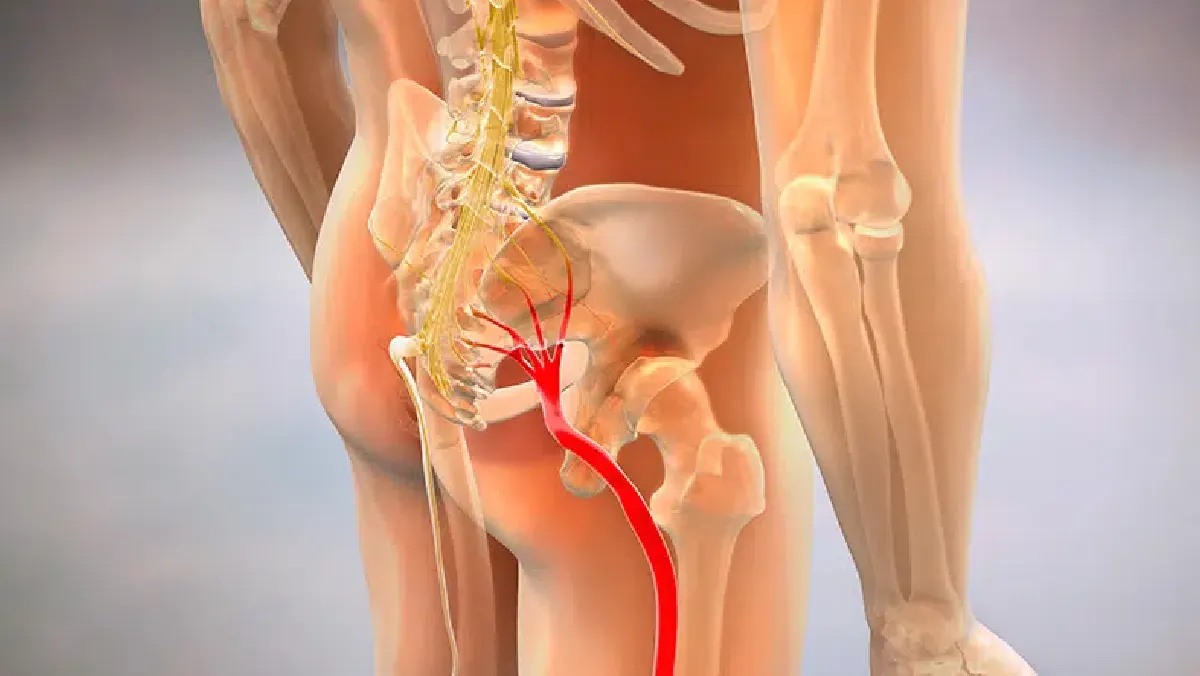
What sciatica really is
Sciatica is not a complete diagnosis: it describes where it hurts, not why. The sciatic nerve arises from several roots of the lumbar spine and runs down the leg, so when one of those roots is compressed as it leaves the spine, the pain is projected along its whole course. That is why the problem almost always starts in the back, even though the patient feels it in the buttock, thigh or calf.
Why it hurts: the most common causes
- Lumbar herniated disc: disc material moves out of place and presses on the root. It is the most frequent cause, especially between the ages of 30 and 55. See Herniated disc: symptoms and treatment.
- Lumbar canal stenosis: the canal the nerves pass through narrows, typically from the age of 60. See Lumbar stenosis: what it is.
- Other less frequent causes: spondylolisthesis, facet joint arthritis or, rarely, a tumour.
When conservative treatment is enough
In most people sciatica improves on its own or with non-surgical treatment within a few weeks. The aim is to control the pain and stay active: relative rest (not prolonged bed rest), scheduled pain relief, physiotherapy and, in selected cases, injections. If there is steady improvement within 6 to 8 weeks, surgery is not usually needed.
When surgery is considered
Surgery comes into play when:
- The pain is still disabling after several weeks of correct conservative treatment.
- There is loss of strength that is getting worse (foot drop, difficulty walking on tiptoe or on the heels).
- Neurological warning signs appear, such as loss of bladder or bowel control or saddle numbness. See Sciatica that won't go away: warning signs.
For sciatica caused by a herniated disc, the most common operation is a microdiscectomy: the fragment compressing the root is removed through a small incision. It is surgery aimed at the cause, with a quick recovery in most cases.
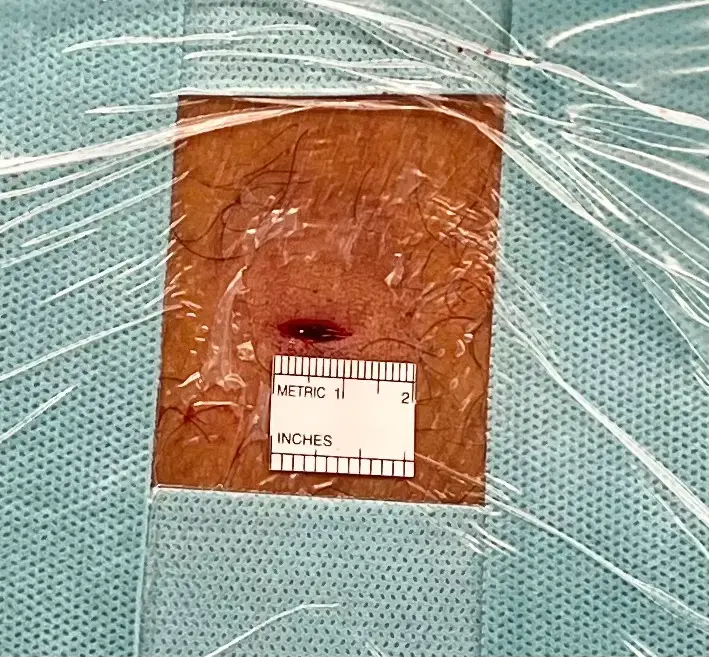
Surgical technique: microdiscectomy
Microdiscectomy is the reference technique for sciatica caused by a herniated disc. Through a small incision and with optical magnification, the neurosurgeon removes only the disc fragment compressing the nerve root and keeps the rest of the disc. The hospital stay is short and the return to activity is quick. When sciatica is caused by stenosis, the approach is decompression of the canal. In selected cases of both types, endoscopic surgery allows smaller incisions and a faster recovery.
Related information
Frequently asked questions
Does sciatica heal on its own?
In most cases it improves within weeks with conservative treatment. Surgery is reserved for cases that do not respond or that show neurological signs.
How long does sciatica last?
A clear improvement within 6 to 12 weeks is usual. If the pain is still intense after that time, it should be reassessed with imaging tests.
Is sciatica surgery dangerous?
Microdiscectomy is an established, minimally invasive technique. Like any surgery it has risks, but when it is well indicated they are low compared with the benefit.
Is walking good for sciatica?
Staying gently active usually helps; prolonged complete rest is counterproductive. In stenosis, however, walking can make the pain worse, which is why an exact diagnosis matters.
Pain running down your leg that won't ease?
The team assesses the exact cause of your sciatica and advises you on the most suitable treatment, conservative or minimally invasive surgery.
Did you find this article useful?
Add us as a preferred source on Google and our articles will show up sooner in your searches.