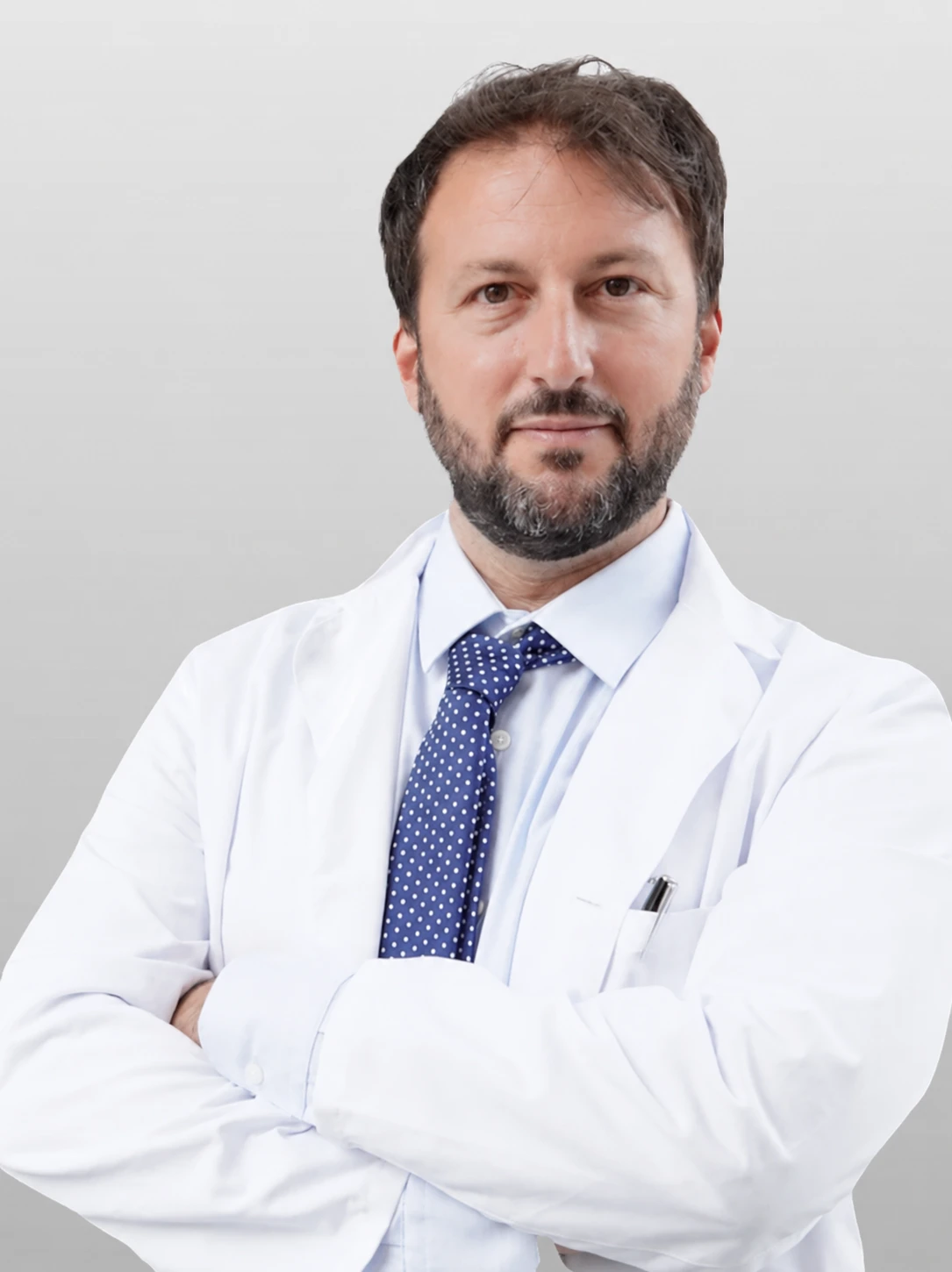
Dr. Pedro Roldán Ramos
Neurosurgeon · Functional surgery, DBS and HIFU · Professor at the UB
View profile
Deep brain stimulation when medication no longer controls essential tremor, dystonia or epileptic seizures. Reversible, adjustable, and it does not destroy tissue. If your case is Parkinson's disease, the specific page is DBS for Parkinson's.
DBS implants thin electrodes in specific brain structures connected to a subcutaneous generator. The electrical impulses modulate neural circuits to correct their malfunction, reducing symptoms without destroying tissue.
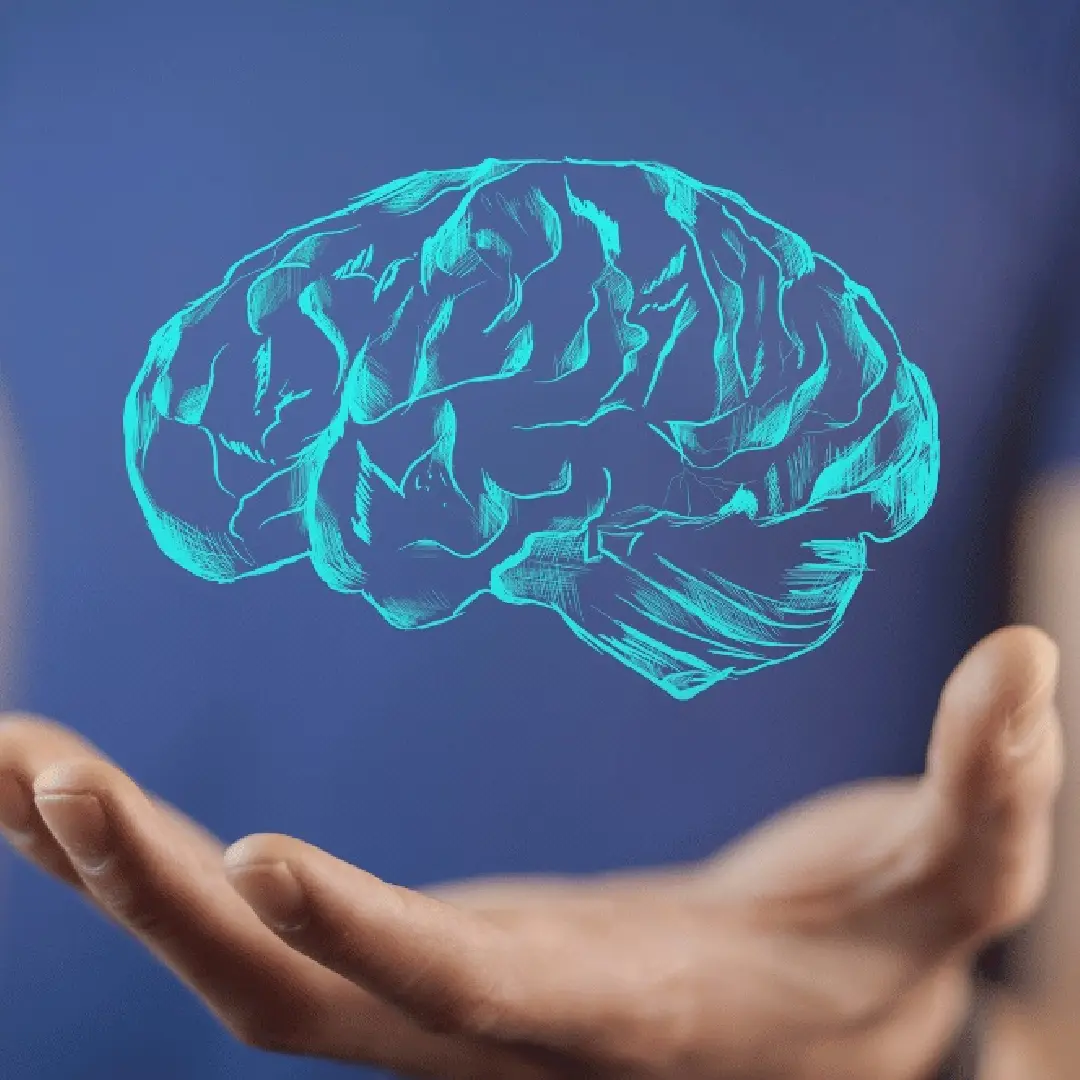
"Deep brain stimulation is the reference treatment for refractory essential tremor, generalised dystonia and Parkinson's disease with fluctuating response to levodopa."
Joint evaluation with neurology. In tremor and dystonia, specific motor scales are applied (TETRAS, BFMDRS), and in epilepsy the work-up from the epilepsy unit is reviewed. Prior neuropsychological and psychiatric assessment in all cases.
High-resolution brain MRI fused with CT on the day of surgery. Millimetric calculation of the target (VIM for tremor, GPi for dystonia, ANT for epilepsy, STN in Parkinson's) and the trajectory to avoid blood vessels.
Electrode placement under stereotactic guidance (frame or frameless). Intraoperative neuronal microrecording to confirm the correct target. Clinical test with the awake patient to verify improvement and rule out adverse effects.
In the same operation or 2-4 weeks later: placement of the pulse generator below the clavicle with a subcutaneously tunnelled cable from the scalp.
Activation and progressive programming in clinic 2-4 weeks after implantation. Periodic parameter adjustments (amplitude, frequency, pulse width, active contact) during the first 6-12 months.
Joint reviews with neurology. Stimulation adjustments and the gradual reduction of medication are planned as a team. The generator battery is checked at every visit and replaced when it runs out, without touching the electrodes.
The management of Parkinson's disease, tremor and movement disorders combines functional surgery (HIFU, DBS) with specialist movement disorder neurology assessment, both before and after the procedure.

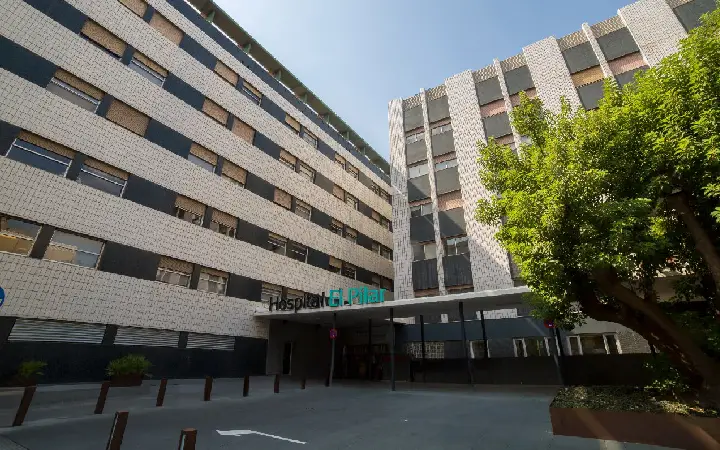
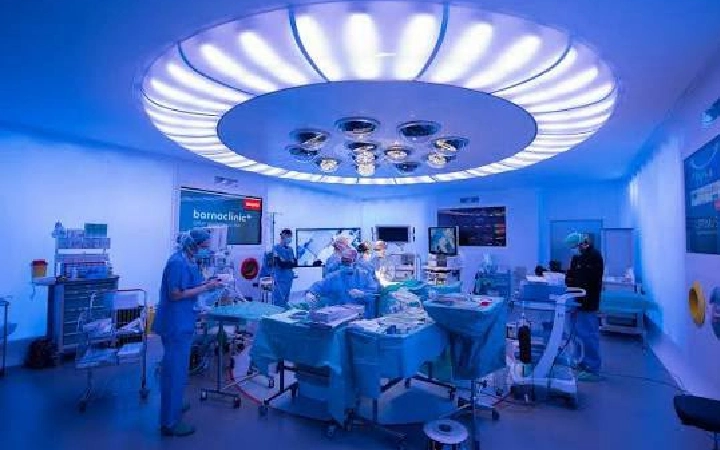
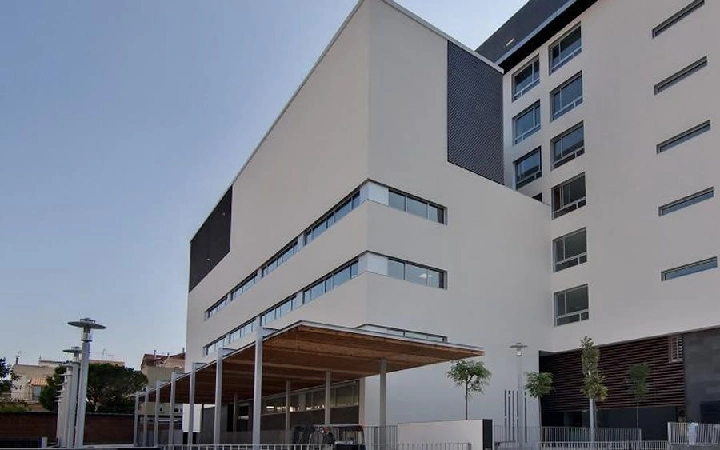
Surgical procedures are carried out in operating theatres equipped with the technology required for deep brain stimulation (DBS). Your first consultation and follow-up can take place at any of our centres in Barcelona.
"I arrived with a glioma I had been told was inoperable. Here they reviewed it at the tumour board and offered me a plan. The surgery was a success. Four years on, I am well."
"For years I had a cervical disc herniation, operated on by another team with no improvement. Minimally invasive surgery gave me back my mobility and took the pain away."
"I travelled from outside Spain. The team reviewed my case before I came and gave me a clear plan. Caring people and impeccable technique."
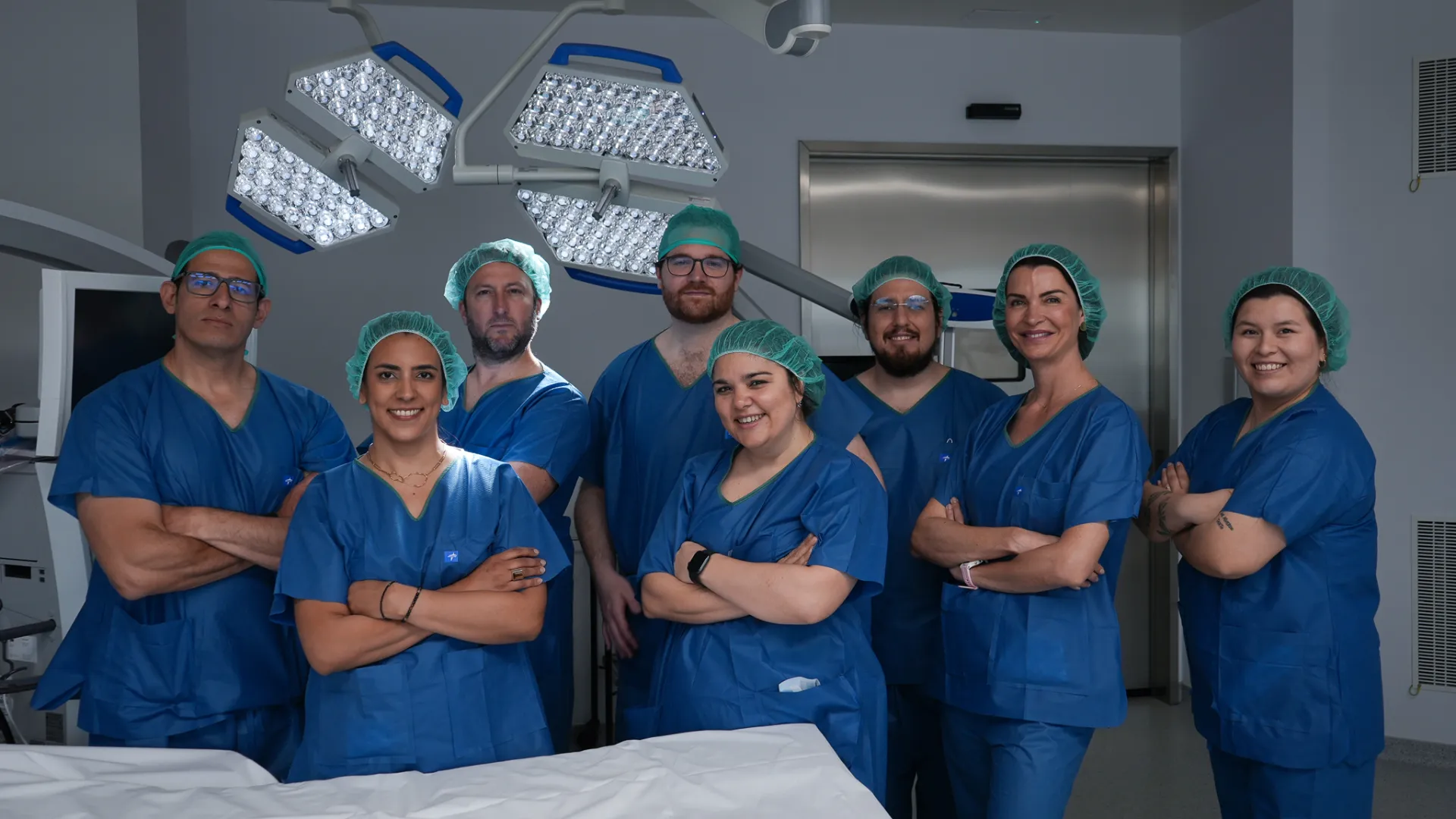
Send us your reports and we will review your case in a multidisciplinary committee (neurology + functional neurosurgery), including whether DBS or HIFU suits you better.