Hyperkinetic
Tremor
Involuntary, rhythmic movements of the hands, head, voice, or other body parts. The most common is essential tremor, treated pharmacologically, or with HIFU or DBS when refractory.
Assessment, diagnosis, and treatment of neurological diseases that alter the form, speed, or control of movement. From Parkinson's disease and essential tremor to less common conditions such as Huntington's disease, Tourette syndrome, and the ataxias.
We use the term movement disorders to describe a broad group of neurological diseases that produce an alteration in the quantity, speed, or control of bodily movements. They can manifest as tremor, rigidity, slowness, involuntary movements, abnormal postures, or loss of balance.
Moving a hand, smiling, or walking requires a precise choreography between the brain, the spinal cord, the peripheral nerves, and the muscles. When any part of that circuit fails, movement disorders emerge. They can make tasks such as writing, eating or dressing difficult and may come to limit independence and quality of life.
Each disorder has its own clinical pattern. These are the most characteristic symptoms of the conditions we most frequently manage.
Managing movement disorders requires coordinating several specialities. At Brain & Spine Barcelona our team brings together neurology, functional neurosurgery, neuropsychology, neuroradiology, and rehabilitation, supported by specialist nursing staff who accompany the patient throughout the process.
3T MRI, functional neuroimaging (DaTSCAN, PET when indicated), neurophysiology, and cognitive assessment. The goal is to reach an exact diagnosis before planning any treatment.
Pharmacological adjustment, botulinum toxin injections, apomorphine therapy, or continuous infusion pumps, depending on the case. Non-surgical options are always first-line.
When medication is no longer sufficient, we offer deep brain stimulation (DBS) and HIFU treatment. Both techniques are performed by Dr. Pedro Roldán.
We assess and treat both the most common disorders and rare diseases. For each patient we define an individual treatment plan.
Involuntary, rhythmic movements of the hands, head, voice, or other body parts. The most common is essential tremor, treated pharmacologically, or with HIFU or DBS when refractory.
Involuntary, sustained muscle contractions causing abnormal postures or twisting movements. Can be focal (affecting one area) or generalised. Treated with botulinum toxin and, in selected cases, DBS.
Slowly progressive neurodegenerative disorder characterised by resting tremor, rigidity, slowness (bradykinesia), and balance problems. See full page
A group of diseases that produce symptoms similar to Parkinson's disease but with different underlying causes. Telling them apart from Parkinson's disease matters because the course and treatment are different.
Lack of coordination and clumsiness in balance, speech, or limb movements. Originates in the cerebellum or its connections. May be hereditary, sporadic, or secondary to other diseases.
Sudden, brief, shock-like muscle jerks. May be physiological (on falling asleep) or pathological, linked to epilepsy, metabolic disorders, or other causes.
An uncomfortable sensation in the legs, especially when relaxing or lying down, that improves with movement. Affects rest and quality of life. Mainly pharmacological treatment.
Repetitive, involuntary movements (grimacing, blinking, limb movements) usually associated with prolonged use of dopaminergic (Parkinson's disease) or neuroleptic medication.
A neurological disorder beginning in childhood or adolescence characterised by repeated motor and vocal tics. In refractory cases, DBS has shown utility in selected patients.
Brief, irregular, and unpredictable involuntary movements that flow from one body part to another. Can occur in Huntington's disease, Sydenham's chorea, or other causes.
A continuous flow of slow, fluid, writhing movements, generally in the hands and feet. Often associated with chorea (choreoathetosis) and can appear in cerebral palsy or basal ganglia lesions.
An intense variant of chorea with violent, large-amplitude movements of one arm and/or leg on one side of the body. Usually associated with subthalamic nucleus lesions (typically stroke).
A progressive hereditary disease with chorea, cognitive decline, and psychiatric symptoms. Requires a multidisciplinary approach and family genetic counselling.
Progressive atypical parkinsonism with autonomic dysfunction (blood pressure, bladder function) and, in some cases, cerebellar signs. An important differential diagnosis with respect to idiopathic Parkinson's disease.
An uncommon neurodegenerative disorder that primarily affects balance, gait, and vertical eye movements, with a poorer response to levodopa than idiopathic Parkinson's disease.
A hereditary disease caused by abnormal copper accumulation that can cause neurological and hepatic symptoms. Early diagnosis is important because medical treatment is effective when started promptly.
Symptoms similar to other movement disorders but without detectable structural neurological disease. Requires careful diagnosis and a specific therapeutic approach combining neurology, psychology, and rehabilitation.
The therapeutic plan is decided in committee after assessment. Options range from first-line medication to functional neurosurgery.
Levodopa, dopamine agonists, antiparkinsonian drugs, anticholinergics, antiepileptics, and other options depending on the clinical picture. Medication is adjusted on an individual basis at each visit.
Outpatient injections for focal dystonias (cervical, blepharospasm, writer's cramp), spasticity, and focal tremor. Effect progresses over 3-4 months, with periodic repeat injections.
Subcutaneous therapies for advanced Parkinson's disease with complex motor fluctuations not controlled by oral medication.
Implantation of brain electrodes connected to a subcutaneous pulse generator. Reversible, adjustable, and bilateral. Indicated for Parkinson's disease, tremor, dystonia, and other selected cases. See DBS technique
Non-incisional brain surgery for essential tremor and tremor-dominant Parkinson's disease. A single session, no general anaesthesia, and same-day discharge. See HIFU technique
It complements the other treatments. Neurological physiotherapy, speech therapy, occupational therapy, and, when appropriate, psychological support for the patient and family.
We can assess whether a surgical technique such as DBS or HIFU could help. We send you an initial assessment within 24-48 hours of reviewing your medical history.
The management of Parkinson's disease, tremor and movement disorders combines functional surgery (HIFU, DBS) with specialist movement disorder neurology assessment, both before and after the procedure.

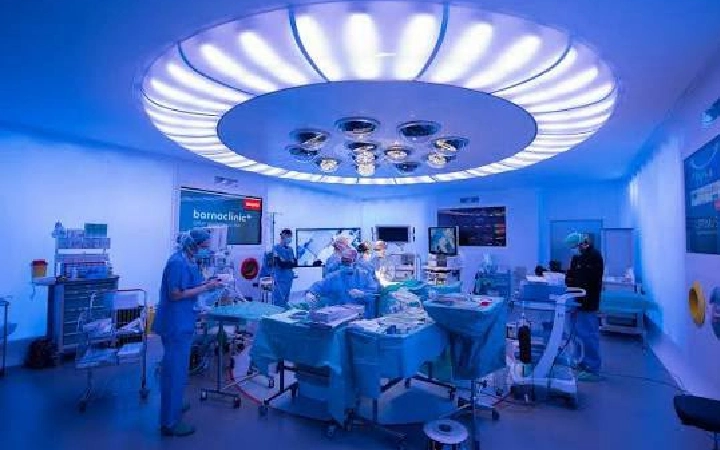
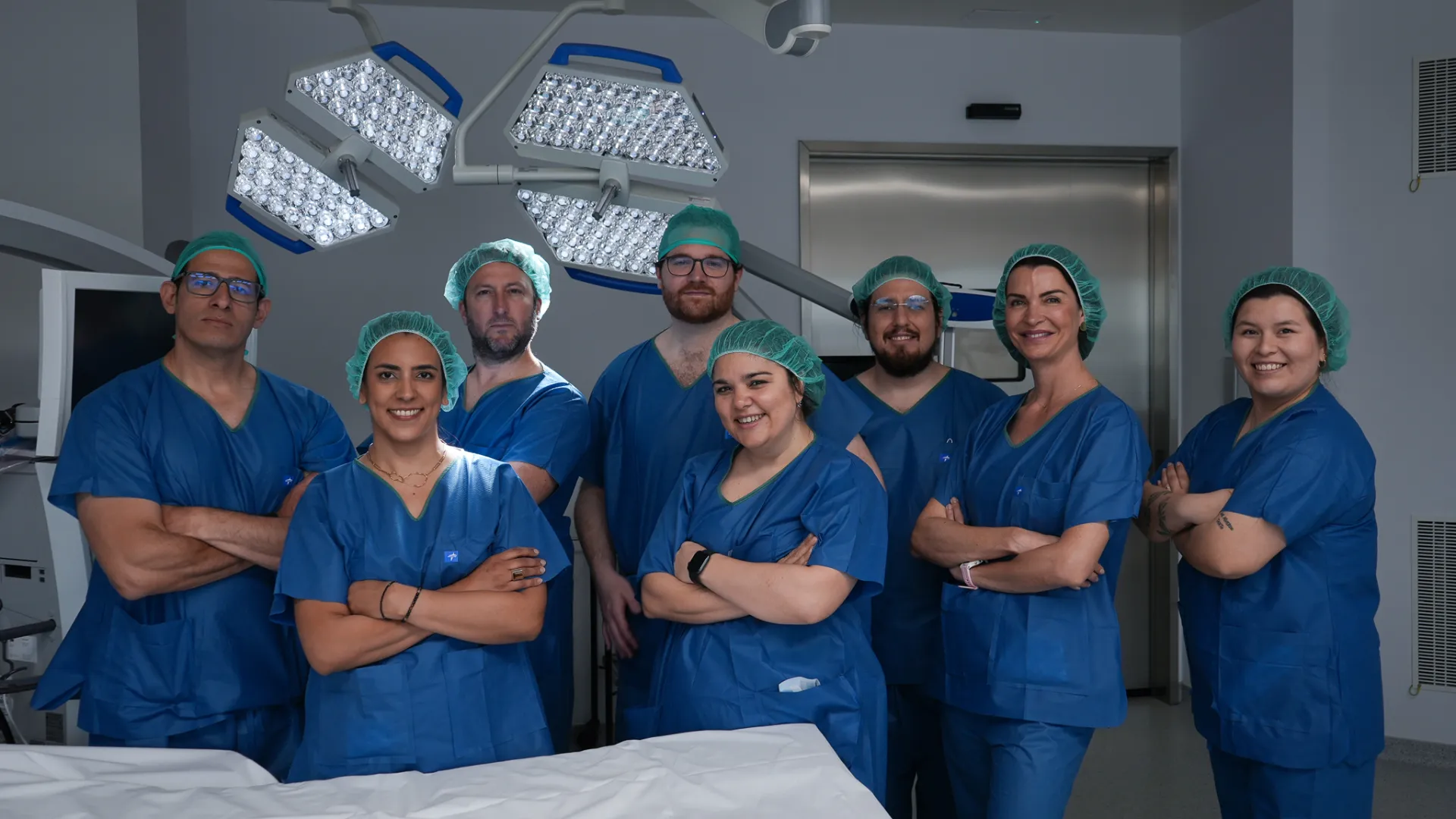
Surgical procedures are carried out in operating theatres equipped with the technology required for movement disorders. Your first consultation and follow-up can take place at any of our centres in Barcelona.
"I arrived with a glioma I had been told was inoperable. Here they reviewed it at the tumour board and offered me a plan. The surgery was a success. Four years on, I am well."
"For years I had a cervical disc herniation, operated on by another team with no improvement. Minimally invasive surgery gave me back my mobility and took the pain away."
"I travelled from outside Spain. The team reviewed my case before I came and gave me a clear plan. Caring people and impeccable technique."
Send us your medical reports and, if available, imaging studies (3T MRI, DaTSCAN). We will respond within 24-48 hours with an initial assessment of the therapeutic options we can propose.