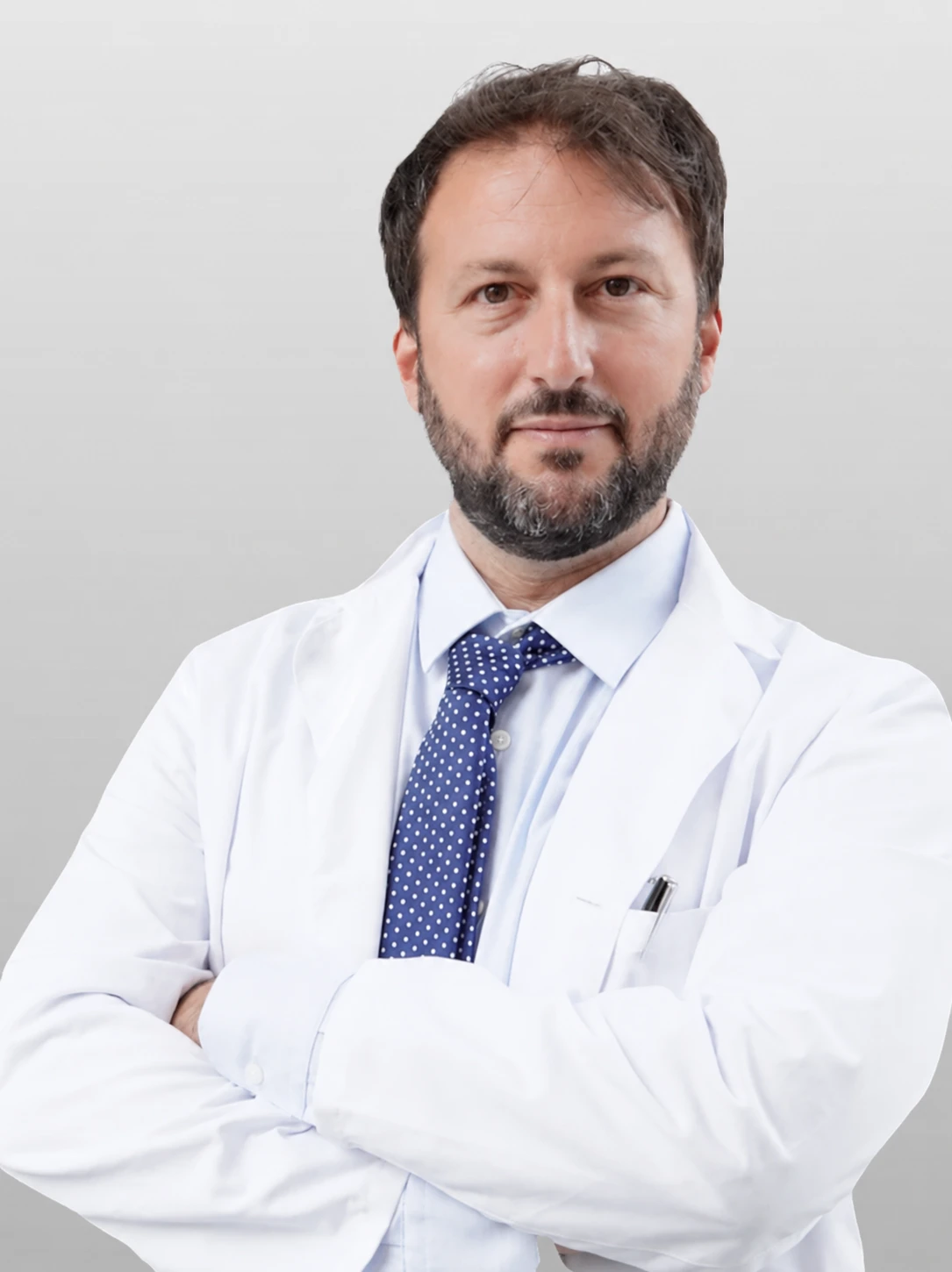
Dr. Pedro Roldán Ramos
Neurosurgeon · Functional surgery, DBS and HIFU · Professor at the UB
View profile
Deep brain stimulation (DBS) is the reference surgical treatment for Parkinson's disease with motor fluctuations. It implants electrodes that modulate altered circuits, enabling reduction of medication by up to 75%. It is a reversible and adjustable technique.
Deep brain stimulation (DBS) is a surgical procedure that implants electrodes in deep brain structures (subthalamic nucleus, internal globus pallidus) connected to a subcutaneous pulse generator. Electrical impulses modulate the altered circuits of Parkinson's disease, achieving a notable improvement in motor symptoms without destroying tissue. The procedure is reversible and adjustable, and allows medication to be reduced by up to 75%.
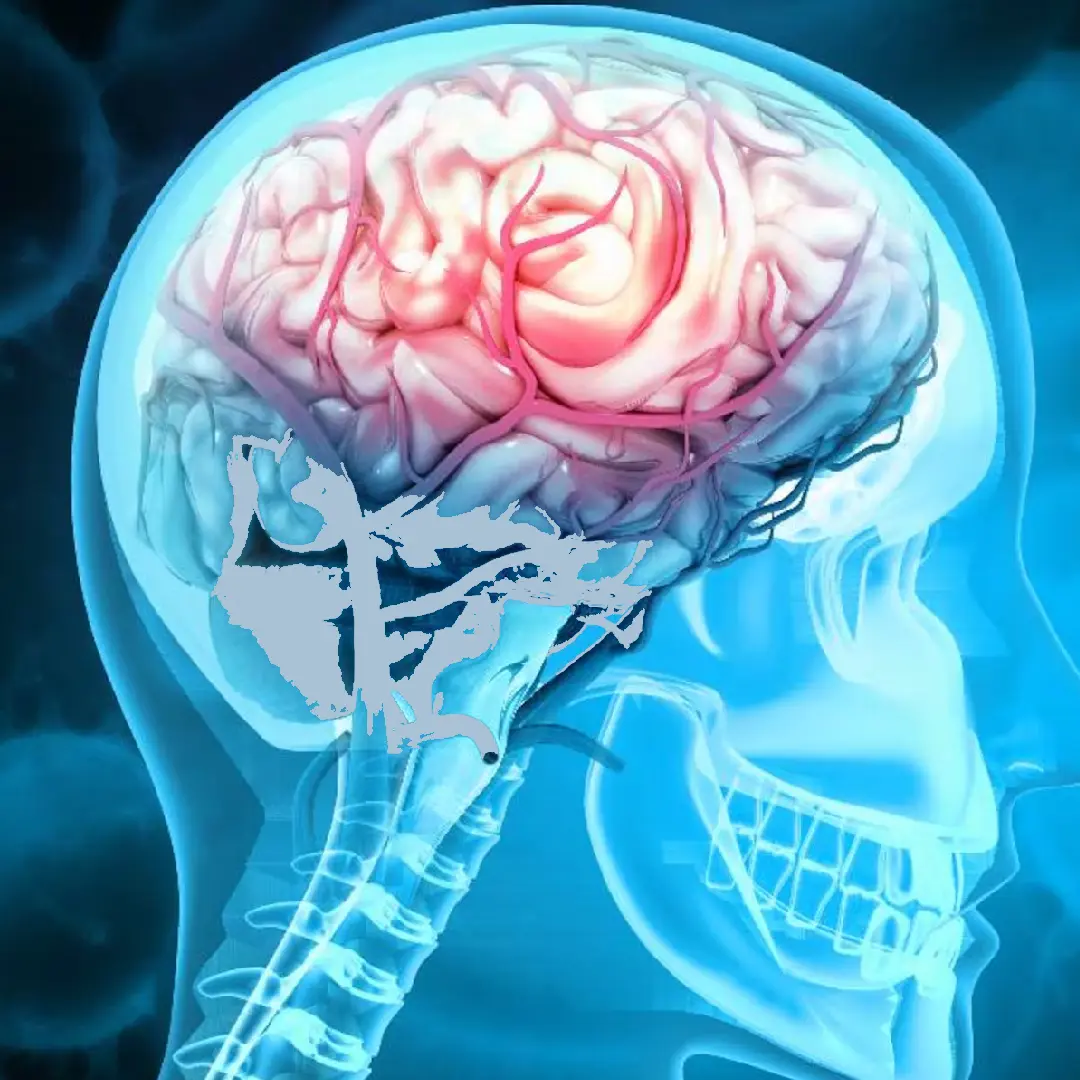
Electrodes are placed with precision in the selected brain region for the specific condition. Stimulation minimises symptomatology and the electrodes are connected to a pulse generator that allows the physician to adjust therapy without further surgery.
The patient is admitted the day before the procedure (sometimes on the same day). They are taken to the operating theatre and surgery is performed under general anaesthesia, a feature that distinguishes us from many other centres where patients are kept awake.
After anaesthesia, the stereotactic frame is fixed, enabling electrode implantation along a trajectory planned with millimetre precision.
Two minimal frontal incisions are made behind the hairline and, beneath them, two small burr holes through which the two electrodes are implanted at the selected target along the planned trajectories.
The patient's hair is not shaved. The standard DBS technique at most centres requires shaving the entire head to place the stereotactic frame and open the surgical access points. Dr. Roldán has developed a proprietary protocol that allows the implant to be performed whilst preserving the patient's hair in its entirety. The patient leaves hospital with the same hair they arrived with.
Once implanted, a stereotactic CT scan of the brain is performed in the same surgical session to verify correct placement and to overlay the result with the planning images. If electrode deviation is 1 mm or more, it is repositioned in the same session without the need for a return to theatre.
Once correct implantation has been confirmed, the electrodes are tunnelled under the skin and connected to a compact pulse generator (similar in size to a cardiac pacemaker) that is housed beneath the right clavicle. Once current transmission has been verified, the procedure is complete (approx. 2-3 hours from induction of anaesthesia).
A protocolised stay of 3-6 hours in the recovery unit, after which a post-operative brain CT confirms correct electrode placement and rules out complications such as post-surgical haemorrhage.
On the first post-operative day the patient begins sitting and progressive mobilisation. On the second day they may shower, wounds are dressed, and discharge home is arranged. During the first week the system remains switched off and the patient continues their usual medication.
After 7 days the patient attends an outpatient appointment with the neurology and neurosurgery team, where the system is activated, initial programming takes place, and medication is adjusted according to the effects achieved. This appointment may be repeated 2 or 3 times until the optimum stimulation-medication balance is found. At that point a reduction of approximately 75% in usual medication is achieved.
When medication is no longer enough to control the symptoms of Parkinson's disease, it is time to consider deep brain stimulation therapy. The ideal candidate has a good prior response to levodopa (positive pharmacological test) and no significant cognitive decline.
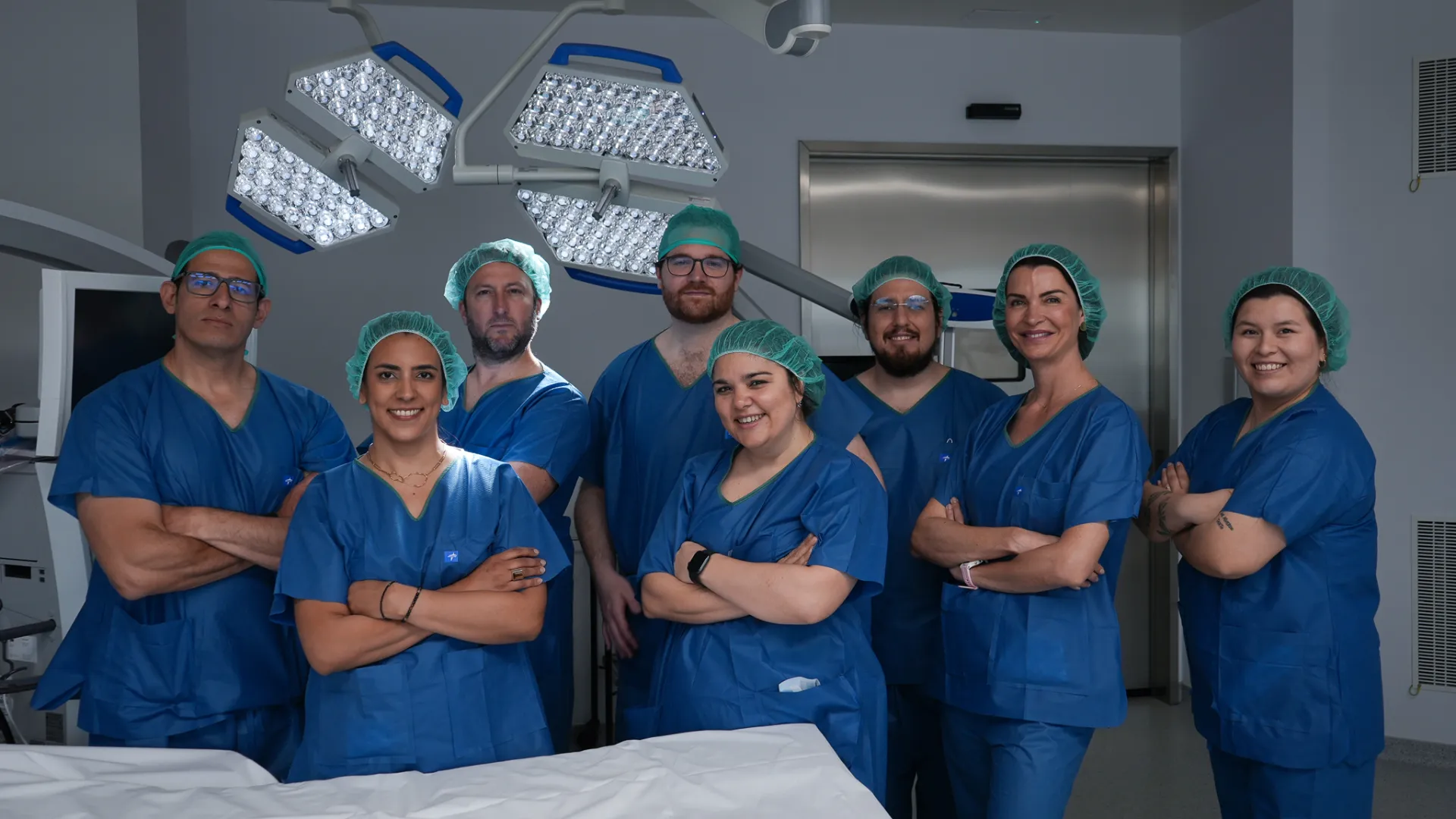
Our neurosurgery team works alongside the neurology and rehabilitation teams to plan treatment before, during and after surgery.
Multidisciplinary DBS team for patients with Parkinson's disease.
DBS improves motor symptoms of Parkinson's disease (tremor, rigidity, bradykinesia) by 40-60% and allows reduction of medication by approximately 75%. Overall procedural mortality at specialised centres is below 1%, with a haemorrhagic complication rate of approximately 1-2%.
Book an appointment and a member of our team will evaluate your case. We see national and international patients with a written second opinion within 24-48 hours.
You can see the whole process in Joan's patient story, treated with DBS for Parkinson's, from the pre-operative examination to the programming of the stimulator.
The management of Parkinson's disease, tremor and movement disorders combines functional surgery (HIFU, DBS) with specialist movement disorder neurology assessment, both before and after the procedure.

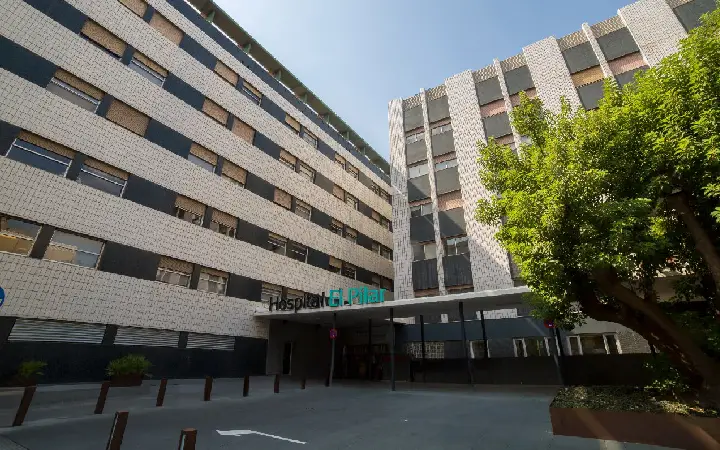
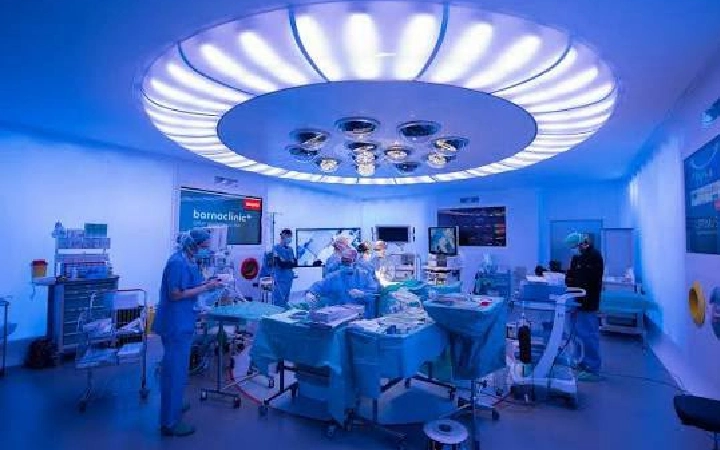
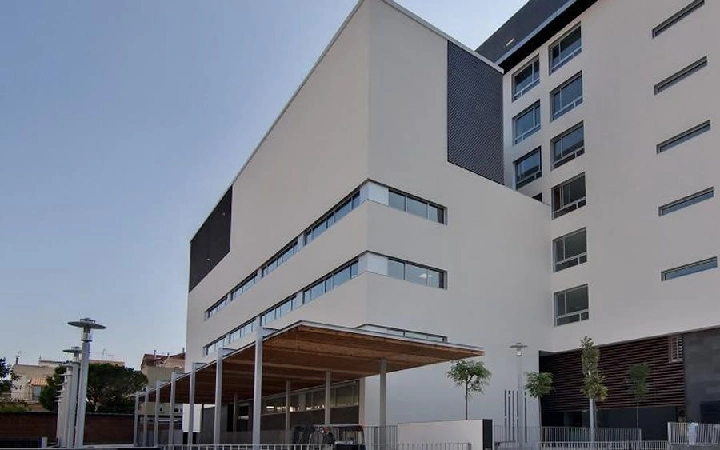
Surgical procedures are carried out in operating theatres equipped with the technology required for DBS for Parkinson's disease. Your first consultation and follow-up can take place at any of our centres in Barcelona.
"I arrived with a glioma I had been told was inoperable. Here they reviewed it at the tumour board and offered me a plan. The surgery was a success. Four years on, I am well."
"For years I had a cervical disc herniation, operated on by another team with no improvement. Minimally invasive surgery gave me back my mobility and took the pain away."
"I travelled from outside Spain. The team reviewed my case before I came and gave me a clear plan. Caring people and impeccable technique."
Send us the neurologist reports, MRI, and the levodopa pharmacological test. We evaluate your case in our functional committee within 24-48 hours.