Lumbar spinal stenosis: what it is, why walking is hard and treatment options
Lumbar canal stenosis narrows the space the nerves pass through and causes its most typical symptom: neurogenic claudication. We explain what causes it, how it is diagnosed and when decompression surgery is considered.
Lumbar stenosis is the narrowing of the canal the nerves pass through in the lower part of the spine. As the space shrinks, the nerve roots are compressed and the most typical symptom appears: pain, heaviness or cramps in the legs when walking or standing, which force you to stop and which ease when you sit down or lean forward (neurogenic claudication). It is usually due to age-related wear, which is why it is more common from the age of 60. Treatment starts with conservative measures; when the limitation is significant and does not improve, or when there is loss of strength, decompression surgery is considered.
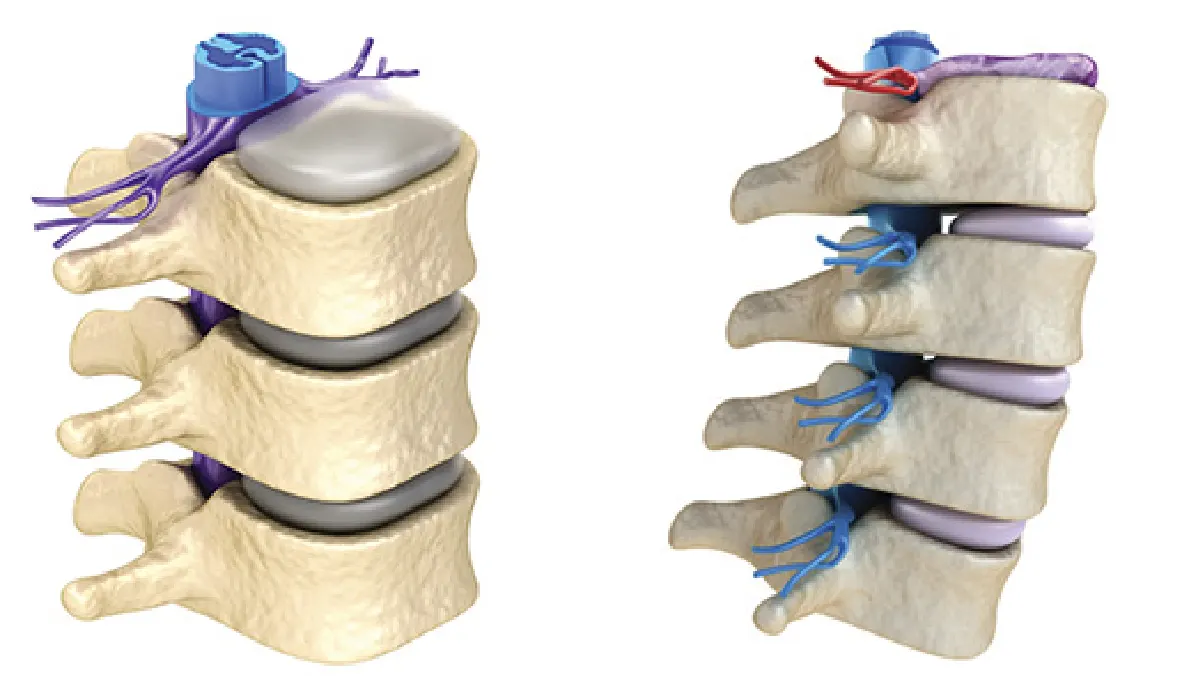
What lumbar canal stenosis is
Picture the spinal canal as a tunnel the nerves run through. Over the years, that tunnel can narrow because of arthritis, discs that lose height and ligaments that thicken. As the space shrinks, the nerves have less room and become irritated, especially when the spine is straight or bent backwards (standing, walking).
The key symptom: claudication when walking
What sets stenosis apart is its pattern: the patient walks a certain distance, the heaviness and cramps in the legs begin, they have to stop, and when they sit down or lean forward (for example on a shopping trolley) the pain eases and they can carry on walking. That is why many patients tolerate cycling better than walking: they pedal leaning forward.
Why walking hurts and sitting relieves
Leaning forward opens the canal and gives the nerves room; standing straight closes it. This also explains why, in stenosis, walking a lot can make things worse, the opposite of sciatica caused by a herniated disc. We cover this in Recommended and discouraged exercises for lumbar stenosis.
Treatment: from conservative care to surgery
- Conservative: flexion-based physiotherapy, tolerable aerobic exercise (cycling), weight control, pain relief and, in selected cases, injections. Many patients stabilise at this stage.
- Decompression surgery: when the distance you can walk shrinks a lot, quality of life drops or weakness appears. The canal is widened (laminectomy or minimally invasive techniques) and, in some cases with instability, a fusion is added. See Lumbar fusion: what it is and recovery.
To know when the condition has become a surgical one, see When is lumbar stenosis severe?
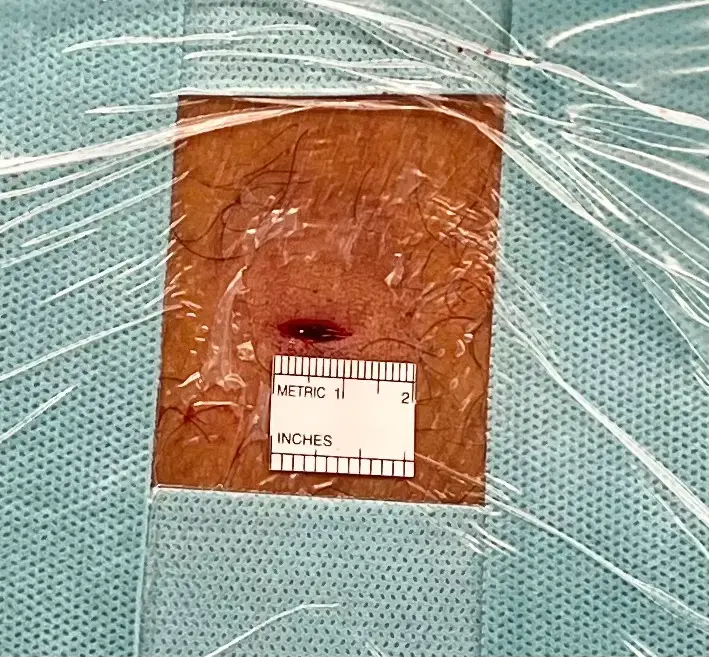
Decompression surgery
Lumbar decompression removes the tissue narrowing the canal (bone, thickened ligament or disc) to give the nerves room. With minimally invasive and endoscopic techniques it can be done through very small incisions, preserving the muscles and shortening recovery. When there is associated instability, a spinal fusion is added to stabilise the treated segment.
Related information
Frequently asked questions
Can lumbar stenosis be cured without surgery?
Conservative treatment does not reverse the narrowing, but it controls the symptoms in many patients for years. Surgery is the only option that physically widens the canal.
Is walking good for lumbar stenosis?
Walking is healthy, but in stenosis it can trigger the pain. Tolerable activity is recommended, often better on a bike or walking leaning slightly forward.
Is stenosis surgery dangerous?
Decompression is a common operation with good results. The risk depends on the technique and the patient's condition, and the approach is tailored to each case.
Will I walk without pain again after surgery?
The main aim of surgery is to regain walking distance. Most patients see a marked improvement in claudication.
Do you have to stop every few metres when walking?
The team assesses your case and advises you on the most suitable treatment for lumbar stenosis, from physiotherapy to decompression surgery.
Did you find this article useful?
Add us as a preferred source on Google and our articles will show up sooner in your searches.