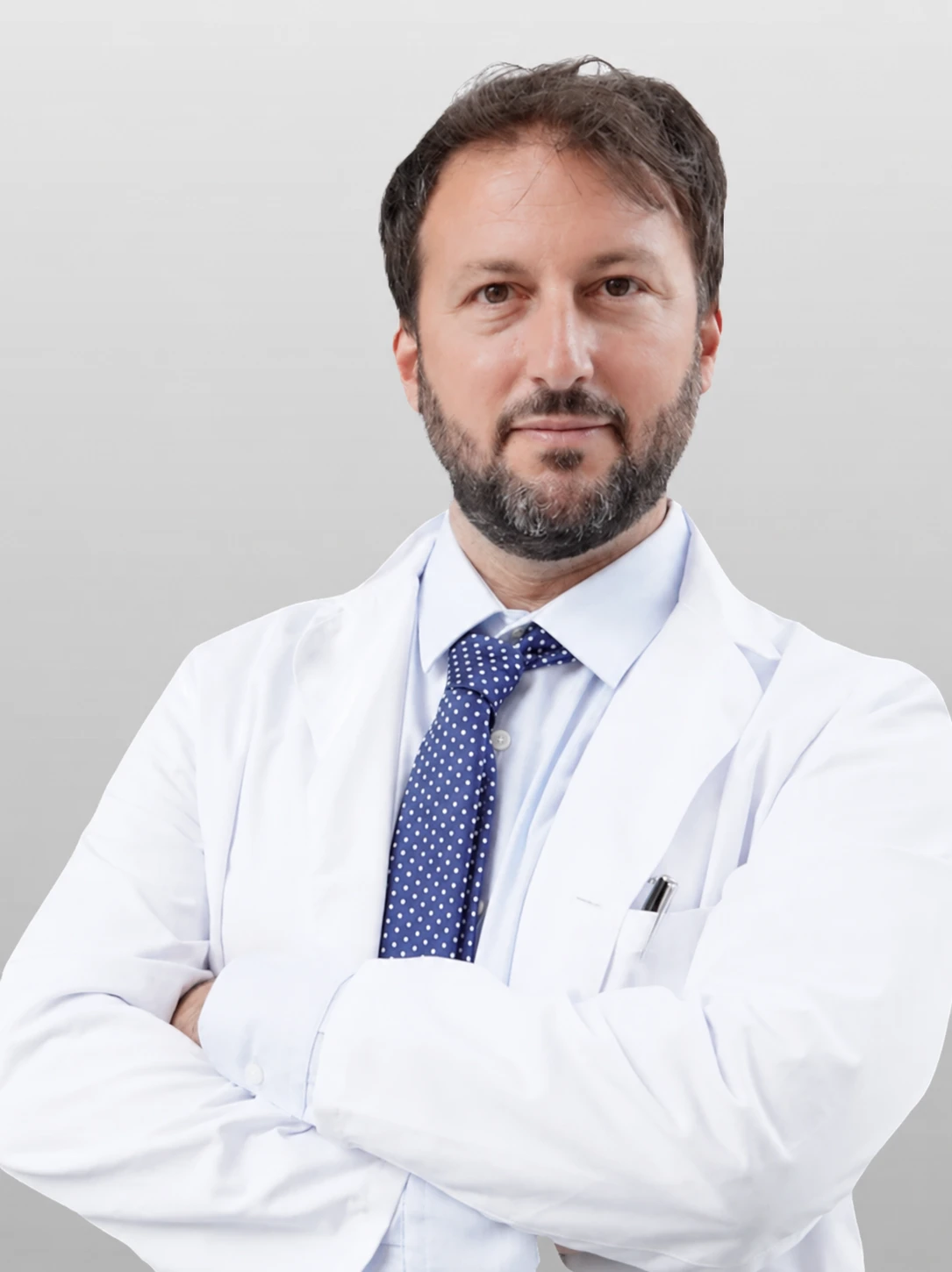
Dr. Pedro Roldán Ramos
Neurosurgeon · Spine, functional and brain
View profile
Surgical treatment of intracranial aneurysms and arteriovenous malformations (AVMs). Microsurgical clipping or coordination with the endovascular team according to the morphology and location of the lesion.
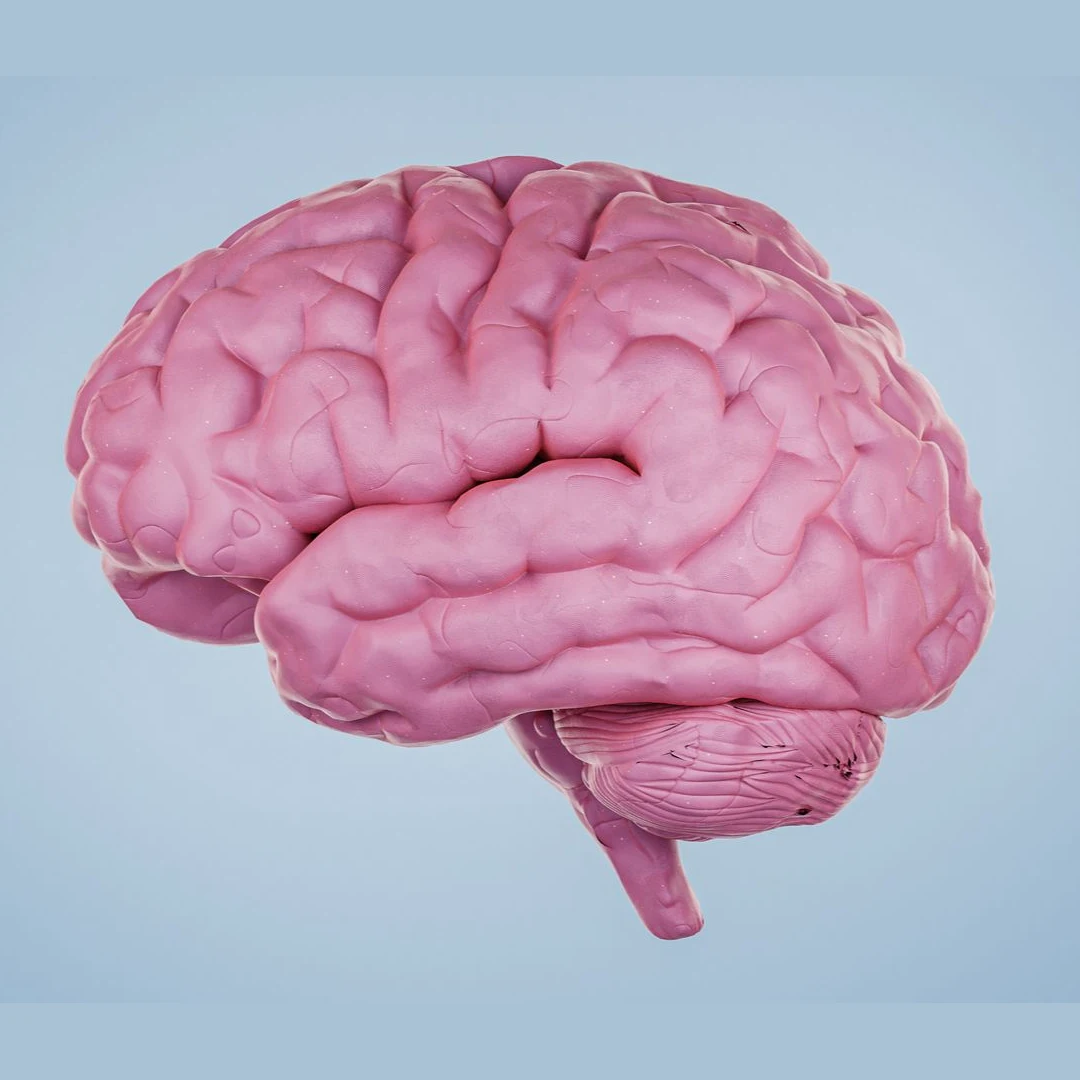
Cerebrovascular surgery treats lesions in the blood vessels of the brain that can cause life-threatening haemorrhage. Intracranial aneurysms have a prevalence of 2-3% in the general population; their rupture causes subarachnoid haemorrhage with 40-50% mortality. Arteriovenous malformations (AVMs) are less common but may present with haemorrhage, seizures or headaches. The decision between open surgery and endovascular treatment is made by a multidisciplinary board.

Unruptured aneurysms are usually asymptomatic. Symptoms of rupture or vascular injury include:
Placement of a metal clip at the aneurysm neck under the microscope. Preferable for wide-neck, complex aneurysms or those at the middle cerebral artery bifurcation.
Embolisation with platinum coils via a femoral catheter. Less invasive, preferred in older patients or aneurysms in difficult locations.
Complete excision of the malformation with preservation of healthy parenchyma. Requires detailed planning with multimodal angiography.
Partial or preoperative occlusion of the malformative nidus. Reduces intraoperative bleeding and sometimes allows safer subsequent resection.
Gamma Knife for small AVMs (<3 cm) in non-surgical locations. Occlusion in 2-3 years in 70-80% of cases.
Surgical revascularisation in complex giant aneurysms or selected occlusive disease (Moyamoya).
Each vascular lesion is studied with multidetector CT angiography, MR angiography and, in complex cases, digital subtraction angiography (gold standard). The decision between surgical and endovascular treatment is made at a weekly neurovascular board. In ruptured aneurysms with subarachnoid haemorrhage, surgery is performed within the first 24-72 hours to prevent rebleeding. Patients remain in a neurology ICU for 10-14 days to manage vasospasm (a frequent complication between days 3 and 14). Follow-up includes MR or CT angiography at 6 months, 1 year and then periodically.
CT angiography and digital cerebral angiography (gold standard). Joint assessment with interventional neuroradiology and vascular neurology. Spetzler-Martin classification for AVMs and PHASES score for unruptured aneurysms.
Choice of open technique (clipping) or endovascular approach according to the lesion. Neurophysiological monitoring, intraoperative angiography or microvascular Doppler to verify complete occlusion.
Neurocritical ICU. Vasospasm surveillance in ruptured aneurysms (days 4-14). Strict blood pressure control.
Variable (2 days for endovascular unruptured aneurysms to 14-21 days in SAH). Follow-up with MR/CT angiography at 3, 6 and 12 months.
In unruptured aneurysms treated at specialist centres, combined morbidity-mortality is below 5%. In ruptured aneurysms with a good clinical grade (WFNS I-II), 60-70% recover functional independence. Complete obliteration after clipping is 95%, higher than the 85% achieved with coiling. In AVMs treated surgically, the complete obliteration rate exceeds 90% for Spetzler-Martin grades I-III. Long-term follow-up is necessary because new aneurysms may form (5% at 10 years).
"The therapeutic decision for intracranial aneurysms must be individualised by a multidisciplinary board taking into account morphology, location, age, comorbidities and patient preferences."
"Treatment of aneurysmal subarachnoid haemorrhage should be carried out within the first 24-72 hours at highly specialised neurovascular centres to minimise the risk of rebleeding."
Studies and clinical guidelines on which we base our approach to this condition.
"I arrived with a glioma I had been told was inoperable. Here they reviewed it at the tumour board and offered me a plan. The surgery was a success. Four years on, I am well."
"For years I had a cervical disc herniation, operated on by another team with no improvement. Minimally invasive surgery gave me back my mobility and took the pain away."
"I travelled from outside Spain. The team reviewed my case before I came and gave me a clear plan. Caring people and impeccable technique."
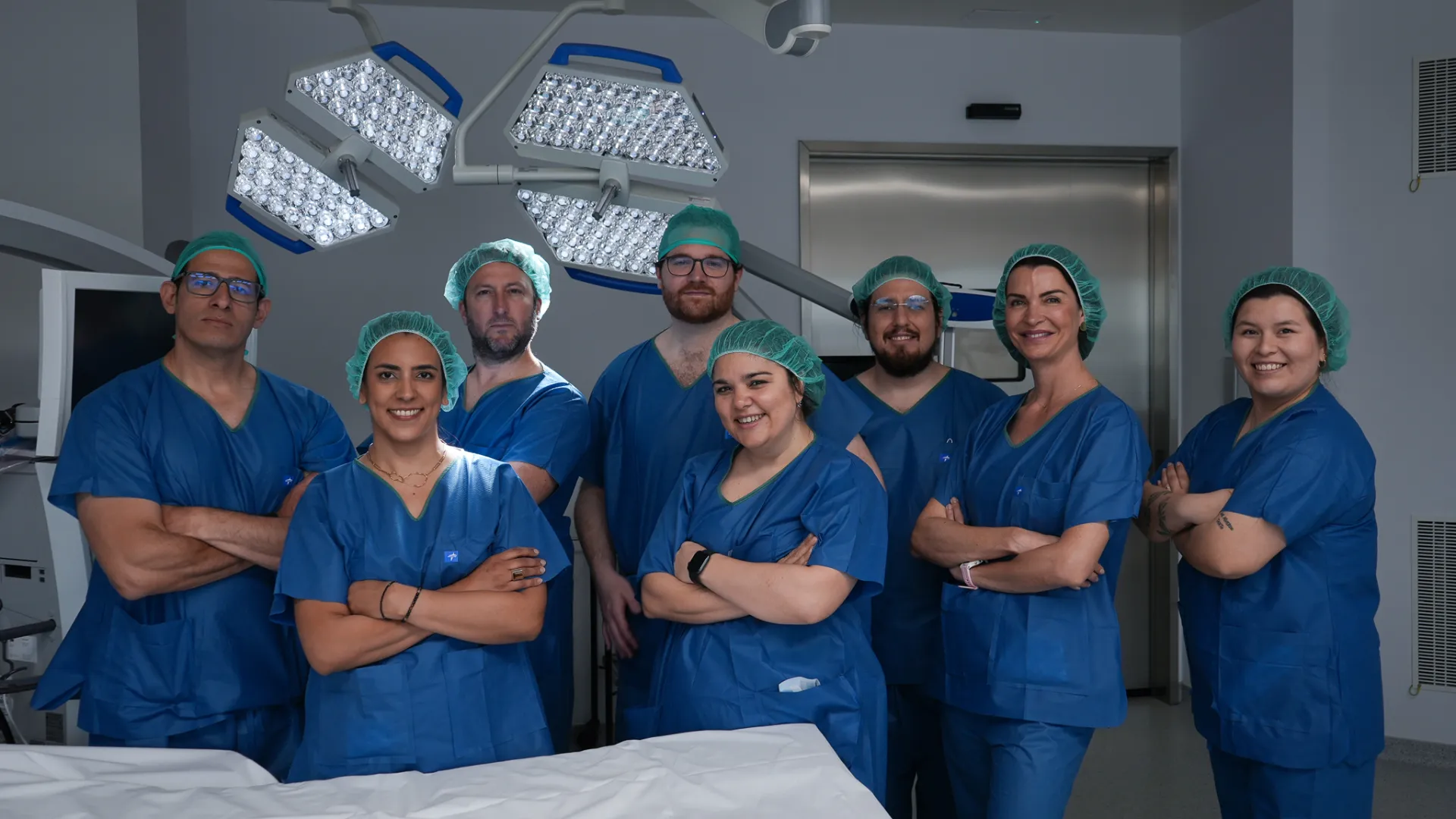
If you have an unruptured aneurysm or an AVM has been detected, send us your angiography or CT angiography. We review your case at our neurovascular board within 24-48h.