Herniated disc: symptoms, treatment and when surgery is advisable
A herniated disc is one of the most frequent causes of back pain and of pain radiating to the leg or arm. We explain why it appears, how to recognise it and when surgery is advisable.
A herniated disc occurs when the core of an intervertebral disc shifts and bulges out, and it can compress a nearby nerve root. Its symptoms depend on the area: in the lumbar spine it causes back pain that runs down the leg (sciatica), with tingling or loss of strength; in the cervical spine, neck pain radiating to the arm. Most herniated discs do not require surgery: between 70 and 90 percent improve within weeks with conservative treatment (pain relief, physiotherapy, controlled movement and, in selected cases, injections). Surgery is considered when the pain is disabling and does not respond after several weeks, when there is progressive muscle weakness, or in the presence of warning signs such as loss of bladder or bowel control. The most common technique is microdiscectomy, a minimally invasive procedure that removes only the fragment compressing the nerve through a small incision. When well indicated, it relieves leg pain quickly and with a short recovery.

What a herniated disc is
Between every two vertebrae there is a disc that acts as a cushion. That disc has a gelatinous core surrounded by a fibrous ring. When the ring weakens, the core can shift (protrusion) or come out (herniation) and press on a nerve root. The problem is not the herniation itself, but the nerve compression it causes.
Symptoms by location
- Lumbar herniation: low back pain radiating to the buttock and down the leg (sciatica), with tingling or loss of strength. See Sciatica: why it hurts and when to operate.
- Cervical herniation: neck pain projecting to the shoulder and arm, with numbness in the hand.
- Signs not to ignore: progressive weakness or bladder and bowel problems. See Warning signs.
Treatment: conservative first
Most herniated discs improve without surgery. The usual plan includes:
- Prescribed pain relief and anti-inflammatories.
- Physiotherapy and progressive exercise (avoiding prolonged rest).
- Injections in selected cases.
The body tends to reabsorb part of the herniated material over time, and the pain subsides in many people within 6 to 12 weeks.
When to operate and with which technique
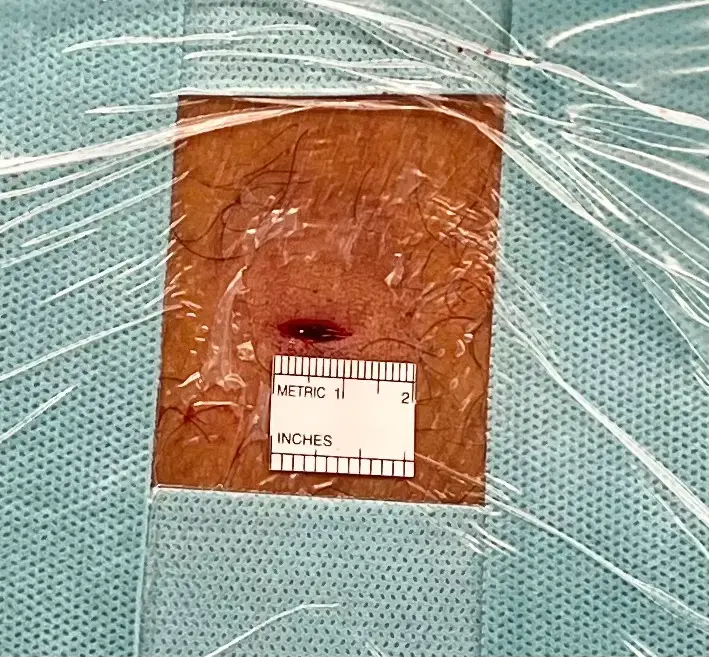
Surgery is considered when the pain remains disabling despite correct treatment, when there is worsening loss of strength, or in the presence of neurological warning signs. The reference technique is microdiscectomy: minimally invasive, it removes the fragment compressing the root and frees the nerve. It is a cause-directed surgery, with a short stay and quick recovery in most cases. In cervical herniations, other decompression or disc replacement techniques are used depending on the case.
Related information
Frequently asked questions
Can a herniated disc heal without surgery?
In most cases, yes. Conservative treatment resolves the pain in the majority of patients; surgery is reserved for those who do not respond.
How long does a herniated disc take to improve?
A clear improvement usually happens within 6 to 12 weeks. If the pain remains intense after that time, it should be reassessed.
Does herniated disc surgery leave after-effects?
A well-indicated microdiscectomy has good outcomes and a low complication rate. The goal is to relieve leg pain and restore function.
How much does herniated disc surgery cost?
It depends on the technique and the centre. We explain it on the page about how much herniated disc surgery costs.
Pain running down your leg or arm?
The team reviews your case and advises you on the most suitable treatment for your herniated disc.
Did you find this article useful?
Add us as a preferred source on Google and our articles will show up sooner in your searches.