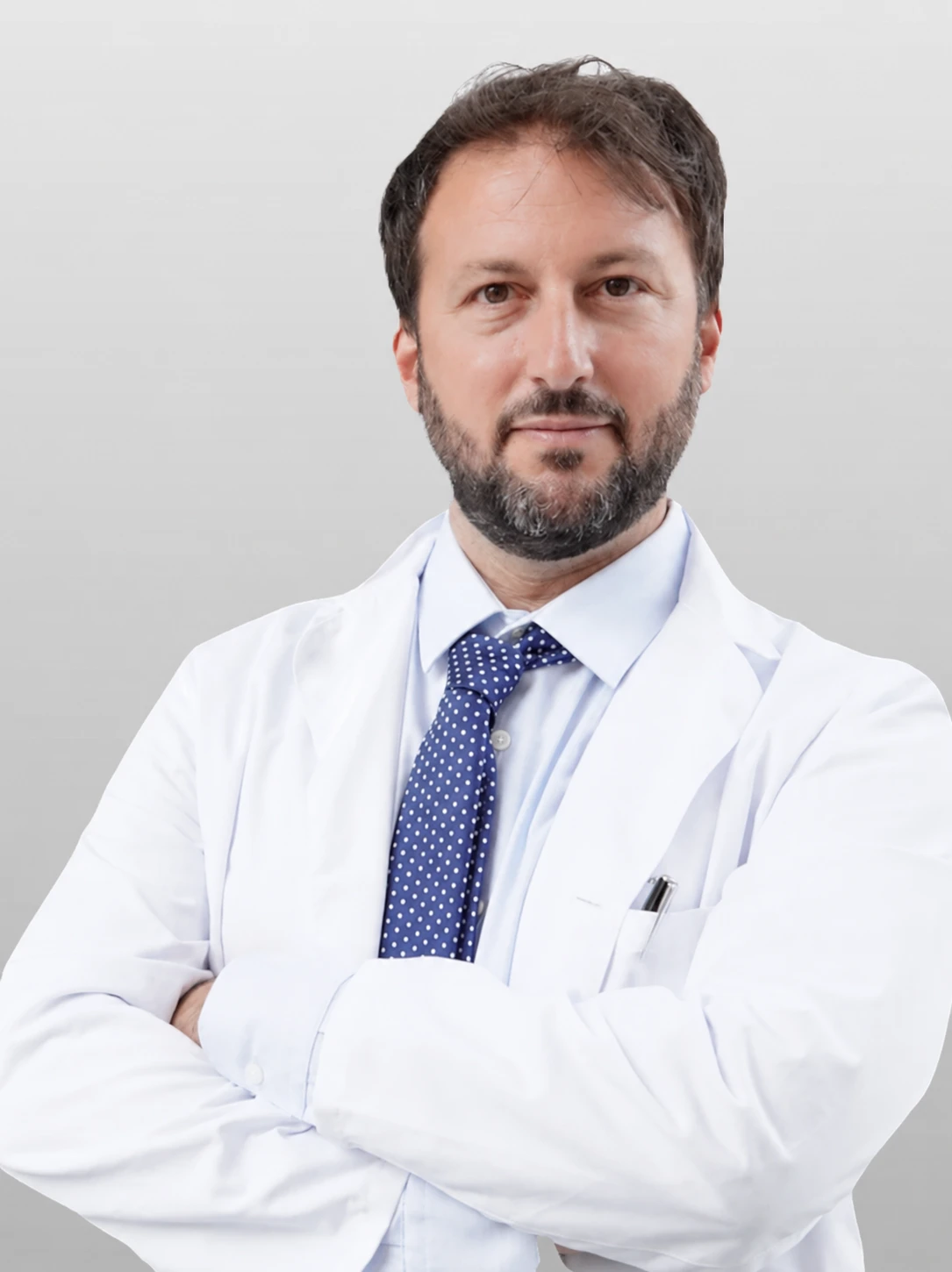
Dr. Pedro Roldán Ramos
Neurosurgeon · Functional surgery, DBS and HIFU · Professor at the UB
View profile
HIFU is the clinical term for high-intensity focused ultrasound guided by magnetic resonance imaging (HIFU / MRgFUS). In tremor-dominant Parkinson's disease, it creates a millimetric thermal lesion in the Vim nucleus of the thalamus to abolish tremor. No incisions, no general anaesthesia, same-day discharge, and immediate improvement.
HIFU is the clinical term for high-intensity focused ultrasound guided by magnetic resonance imaging (HIFU / MRgFUS). It is an ablative neurosurgical technique that requires no incisions, no skull opening, and no general anaesthesia. Ultrasound waves pass through the intact skull and converge with sub-millimetre precision on the Vim nucleus of the thalamus, where they generate a controlled thermal lesion that interrupts the circuit responsible for parkinsonian tremor.

"MRI-guided focused ultrasound is an effective and safe therapeutic option for refractory tremor-dominant Parkinson's disease, with the advantage of requiring no incisions, implants, or general anaesthesia."
Joint assessment with neurology. Confirmation of the diagnosis of tremor-dominant Parkinson's disease (tremor predominant over rigidity and bradykinesia), MDS-UPDRS-III scale, levodopa test, cognitive assessment, and brain MRI compatible with the HIFU system.
Complete head shaving (required for uniform transducer contact with the scalp), placement of the stereotactic frame under local anaesthesia, and fixation to the MRI system. The patient is awake and cooperates throughout the procedure.
MRI images are acquired to precisely identify the Vim nucleus of the thalamus on the side contralateral to the tremor to be treated. The trajectory of ultrasound beams through the patient's skull is calculated.
Low-energy ultrasound pulses that mildly heat the target without causing a lesion. The patient's clinical response is evaluated in real time (handwriting, arm reach, balance). If there is tremor improvement without adverse effects, the target is confirmed. If unwanted effects occur, the target is repositioned before the definitive lesion.
Energy is gradually increased until the definitive thermal lesion is created (55-60 °C at the focus). The patient confirms persistent tremor improvement and the absence of adverse effects at each increment.
2-4 hours in the recovery room to verify neurological stability, removal of the stereotactic frame, and a control MRI. Same-day discharge with tremor improvement already established.
Dr. Pedro Roldán walks through a HIFU session step by step, with no incisions. Video in Spanish. Full video on the Neuro-HIFU page.
How MRI-guided focused ultrasound treats tremor without opening the skull.
DBS implants electrodes in the brain and a subcutaneous pulse generator; it is reversible, adjustable, and bilateral. HIFU creates a permanent thermal lesion without implanting anything; it is ablative, unilateral, and leaves no foreign material in the body. HIFU is preferable for older patients, those with contraindications to open surgery, patients on anticoagulation, or those who decline an implant. DBS is preferable when bilateral modulation or fine adjustment over time is required. See DBS for Parkinson's disease
HIFU is indicated in patients with tremor-dominant Parkinson's disease and disabling tremor refractory to medication. The clinical indication requires meeting several criteria simultaneously:
Patients with rigidity/bradykinesia-dominant Parkinson's disease, significant cognitive decline, incompatible skull anatomy (SDR < 0.40), cardiac pacemaker incompatible with MRI, severe claustrophobia, or immediate bilateral need (in this last case DBS is usually preferred).
Published clinical series in tremor-dominant Parkinson's disease treated with HIFU/MRgFUS show:
Possible side effects include transient paraesthesias, balance disturbance, or mild dysarthria, generally reversible within the first weeks. Careful patient selection and planning with test sonications reduce these events.
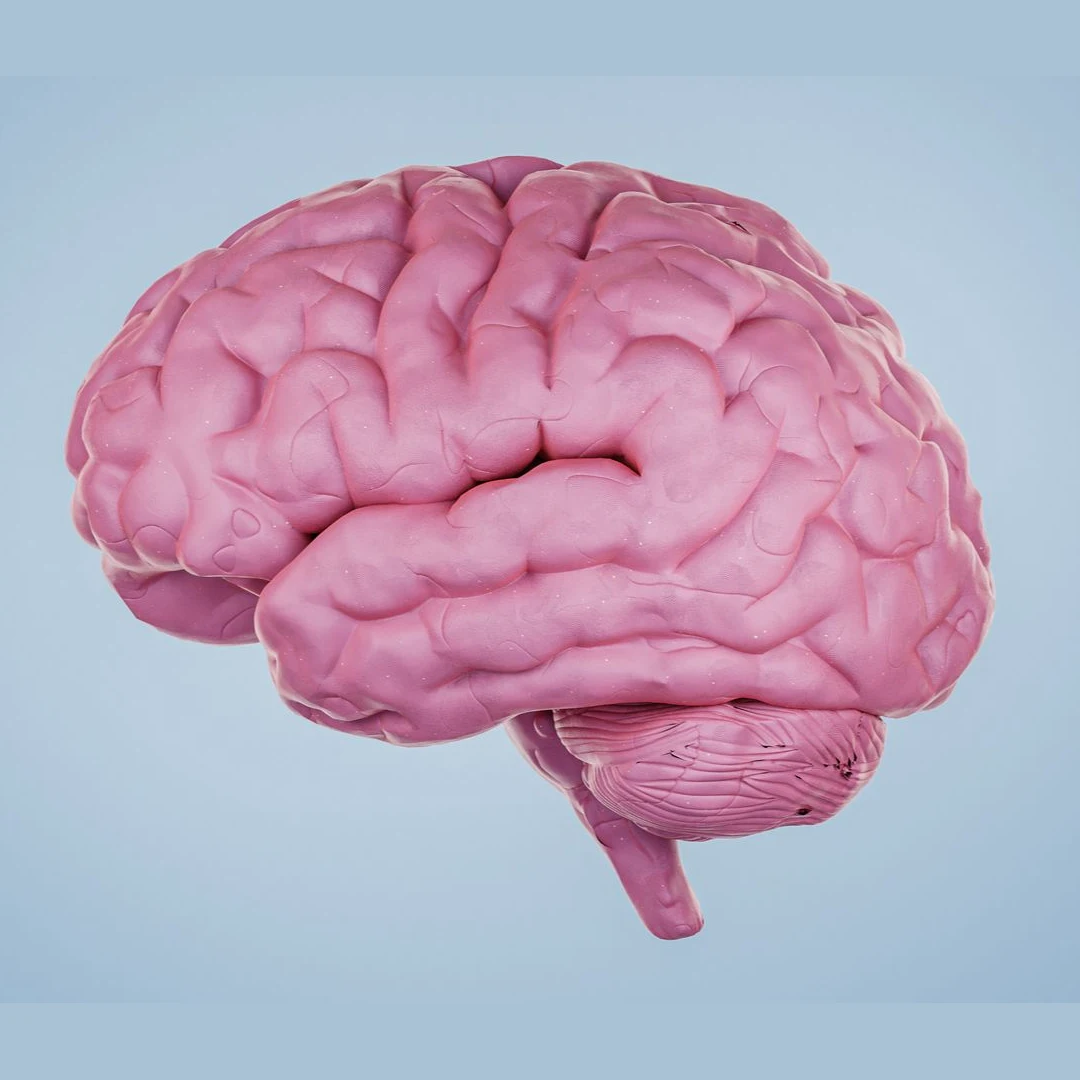
The management of Parkinson's disease, tremor and movement disorders combines functional surgery (HIFU, DBS) with specialist movement disorder neurology assessment, both before and after the procedure.

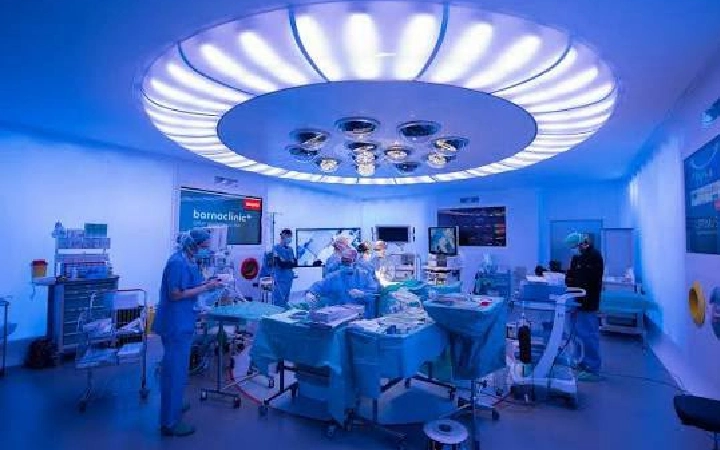
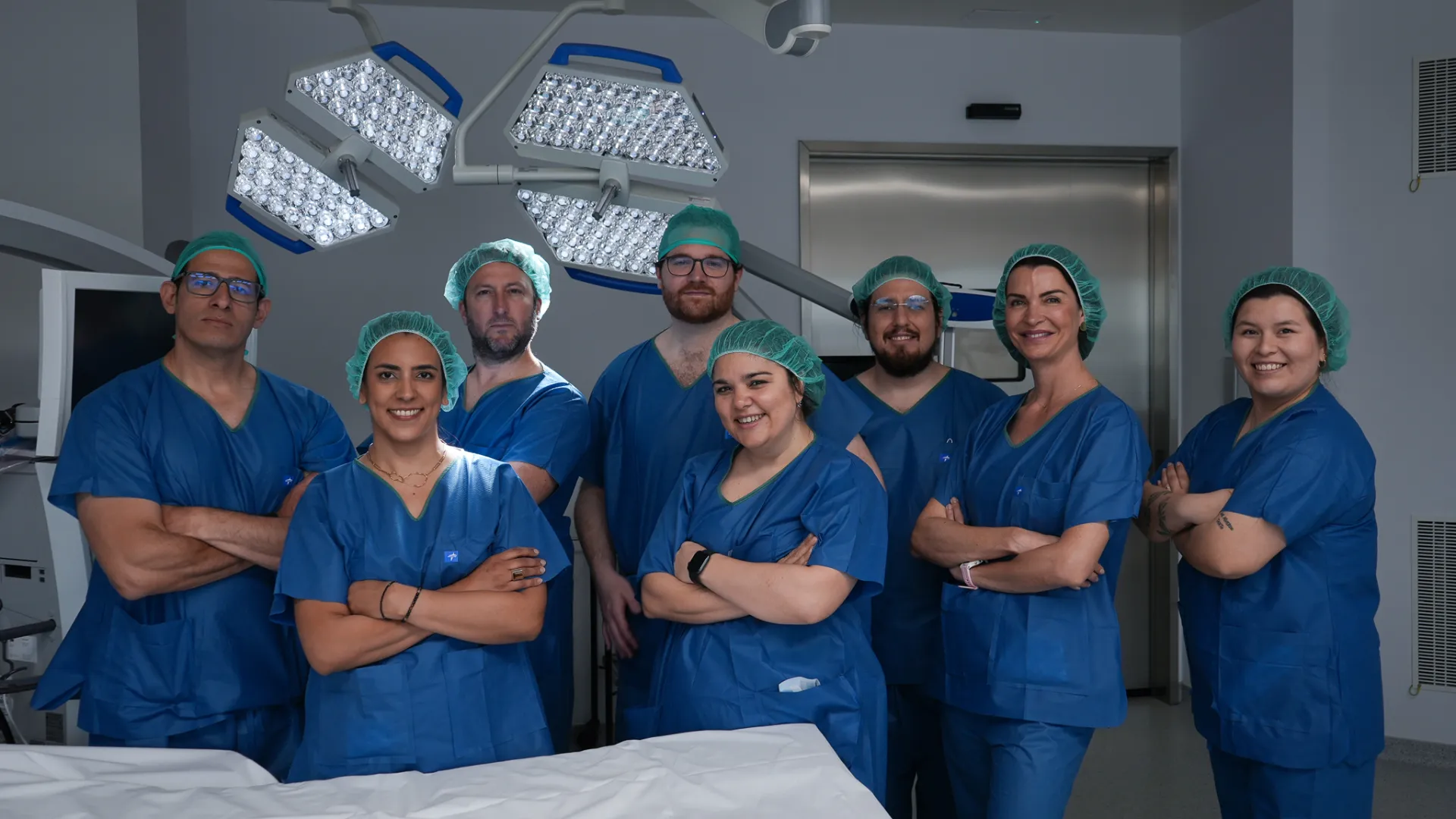
Surgical procedures are carried out in operating theatres equipped with the technology required for HIFU for Parkinson's disease. Your first consultation and follow-up can take place at any of our centres in Barcelona.
"I arrived with a glioma I had been told was inoperable. Here they reviewed it at the tumour board and offered me a plan. The surgery was a success. Four years on, I am well."
"For years I had a cervical disc herniation, operated on by another team with no improvement. Minimally invasive surgery gave me back my mobility and took the pain away."
"I travelled from outside Spain. The team reviewed my case before I came and gave me a clear plan. Caring people and impeccable technique."
Send us the neurologist reports, the brain MRI, and the cranial CT (to measure the SDR index). We evaluate your case in a multidisciplinary committee within 24-48 hours and advise whether HIFU is the best option for your specific clinical situation.