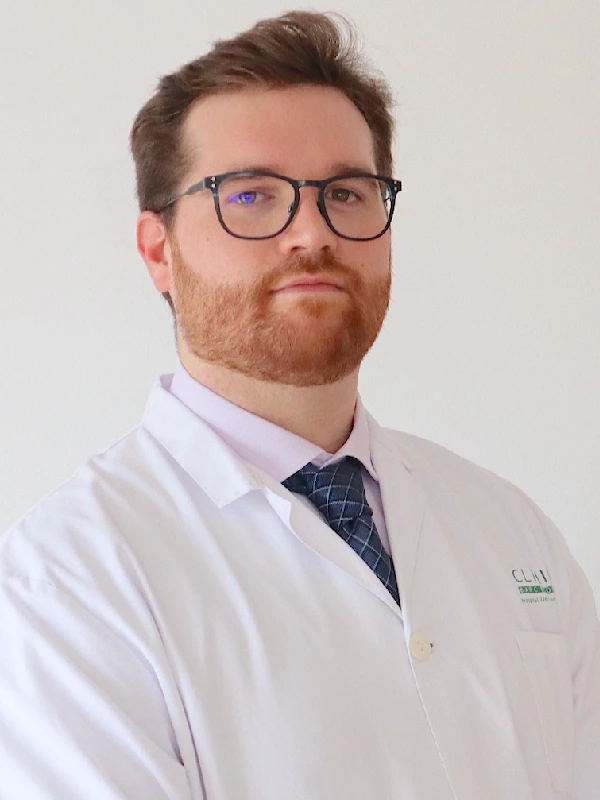
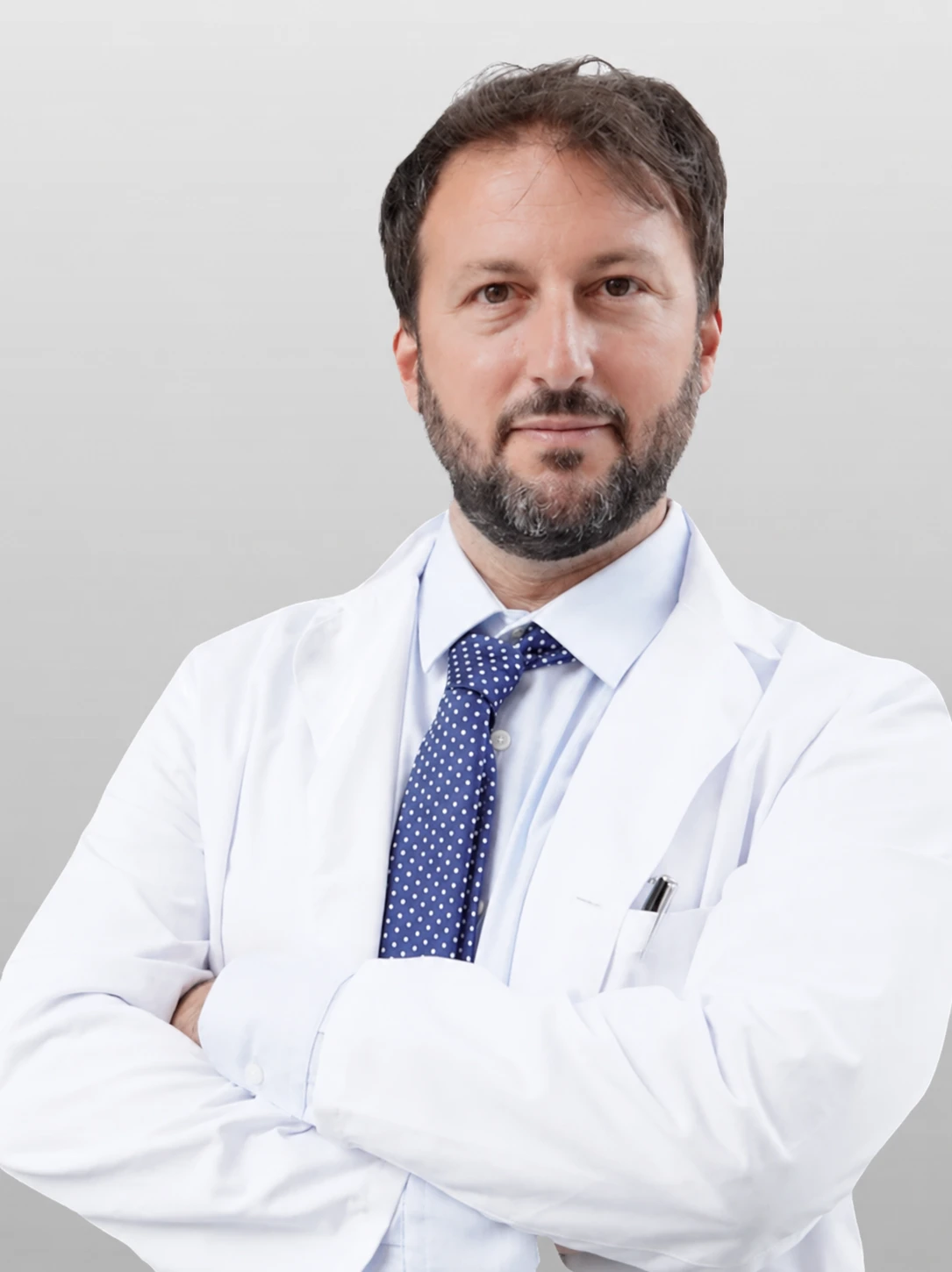
Dr. Abel Ferrés Pijoan
Neurosurgeon · Spine, neuro-oncology and skull base
View profile
Approaches through natural cavities or small incisions. Reduction of damage to healthy tissue, faster recovery and shorter hospitalisation.
Neurosurgical endoscopy allows access to intracranial and spinal structures through minimal incisions or natural orifices, using a high-definition optic introduced into the surgical field.
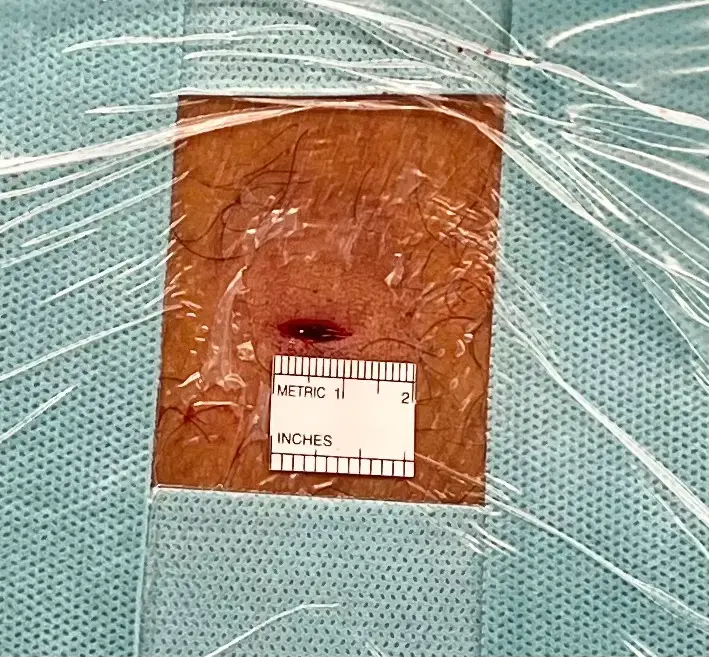
Spinal endoscopy is the only technique classified as Ultra MISS: millimetric incisions, minimal muscle disruption and the possibility of performing even vertebral fusion endoscopically. Microsurgery and other minimally invasive techniques fall within the MIS group but do not reach the degree of minimal invasion achieved by endoscopy.
Preoperative study with high-resolution MRI/CT and, when appropriate, image fusion and neuronavigation to plan the trajectory.
Access through a natural cavity (nose for endonasal, brain ventricle for ventricular endoscopy) or through a 7-15 mm incision for spinal endoscopy.
The endoscope with 0°, 30° or 45° optics provides direct and magnified visualisation of the lesion. It illuminates and magnifies structures that would be poorly accessible via the traditional route.
Tumour resection, cyst fenestration, ventriculostomy or radicular decompression with instruments specifically designed for the endoscopic working channel.
Closure without visible sutures when the approach is endonasal. Admission of 24-48 h in most cases and progressive return to activity within days.
"I arrived with a glioma I had been told was inoperable. Here they reviewed it at the tumour board and offered me a plan. The surgery was a success. Four years on, I am well."
"For years I had a cervical disc herniation, operated on by another team with no improvement. Minimally invasive surgery gave me back my mobility and took the pain away."
"I travelled from outside Spain. The team reviewed my case before I came and gave me a clear plan. Caring people and impeccable technique."
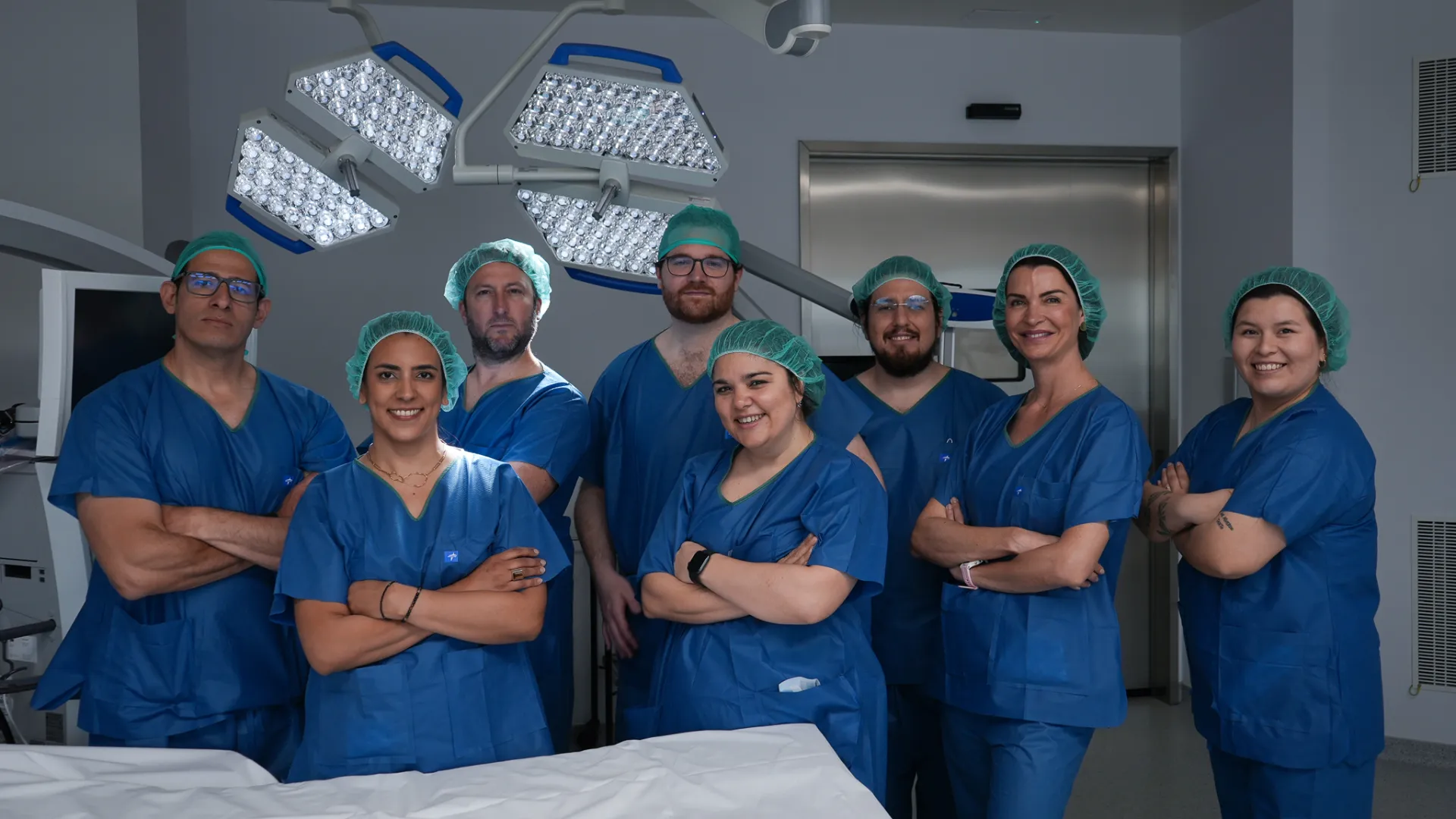
Send us your tests. We review your case in committee and advise whether endoscopy is the right approach.