Movement disorders

Parkinson's disease: surgical treatment

Parkinson's disease and movement disorders can be treated with two reference surgical options: deep brain stimulation (DBS) and HIFU focused ultrasound. We evaluate each case individually to recommend the most appropriate technique. We see national and international patients.

Parkinson's disease and its surgical treatment

Parkinson's disease is a neurodegenerative disorder affecting the basal ganglia that causes resting tremor, rigidity, and slowness of movement (bradykinesia). When medication no longer adequately controls symptoms, there are two reference surgical options: deep brain stimulation (DBS), which implants electrodes to modulate altered circuits in a reversible and adjustable manner, and HIFU focused ultrasound, a non-incisional treatment for patients who are not DBS candidates. We evaluate each case to recommend the most appropriate technique.
Surgical treatment of Parkinson's disease
75%
reduction in medication achieved with DBS in Parkinson's disease
2 techniques
DBS (reversible) and HIFU (no incisions)
Multidisciplinary
neurosurgery + neurology + rehabilitation

Symptoms of Parkinson's disease

Parkinson's disease combines characteristic motor symptoms with non-motor manifestations that often precede diagnosis. Seek assessment if you experience:

  • Resting tremor: typically in one hand, in a "pill-rolling" pattern, which decreases when movement begins
  • Bradykinesia: generalised slowness of movement and difficulty initiating it
  • Muscular rigidity: increased tone with a "cogwheel" quality, often with shoulder or neck pain
  • Postural instability: loss of balance reflexes, falls, and a shuffling gait (festinating)
  • Micrographia: progressively smaller handwriting, and reduced arm swing when walking
  • Hypomimia and hypophonic voice: reduced facial expression and monotone or weak speech
  • Non-motor symptoms: loss of smell, constipation, REM sleep behaviour disorder, depression or anxiety
  • Fluctuations and dyskinesias: in advanced stages, alternating "on/off" periods and involuntary movements due to medication
When to seek advice: if you experience a persistent resting tremor, progressive slowness, or unexplained rigidity, assessment by a movement disorder neurologist is advisable. Surgical evaluation (DBS) is considered when medication can no longer control motor fluctuations or tremor despite optimal medical treatment.

A reference team

We are pioneers in the diagnosis and treatment of movement disorders, forming a leading team with extensive experience in surgical treatments for conditions caused by these disorders and their associated pain.

We offer advanced treatment options for people affected by Parkinson's disease and other movement disorders including dystonia, essential tremor, ataxia, Tourette syndrome, myoclonus, and other related conditions.

We provide state-of-the-art care for national and international patients, using advanced imaging and guidance technologies for computer-assisted minimally invasive procedures that target key brain structures with great precision.

Two reference surgical techniques

Depending on each patient's characteristics, we recommend the most appropriate technique. These are the two main options for Parkinson's disease and tremor:

Deep brain stimulation

DBS

Implantation of electrodes that modulate altered brain circuits. Reversible and adjustable technique; allows reduction of medication by up to 75%. It is the reference treatment for Parkinson's disease with motor fluctuations.

See DBS →
Focused ultrasound · no incisions

HIFU

Stereotactic treatment without incisions or general anaesthesia, targeting the thalamus to reduce tremor. Indicated in patients who are not DBS candidates due to age, comorbidity, or personal preference.

See HIFU →

Multidisciplinary team

Our neurosurgery team works in close collaboration with an expert team in neurology and rehabilitation, creating a comprehensive care plan to optimise treatment before, during, and after the procedure.

Informational video · Movement disorders

Not sure which technique is right for your case?

Book an appointment and a member of our team will evaluate your case. We see national and international patients with a written second opinion within 24-48 hours.

Request assessment DBS HIFU

Prognosis and recovery

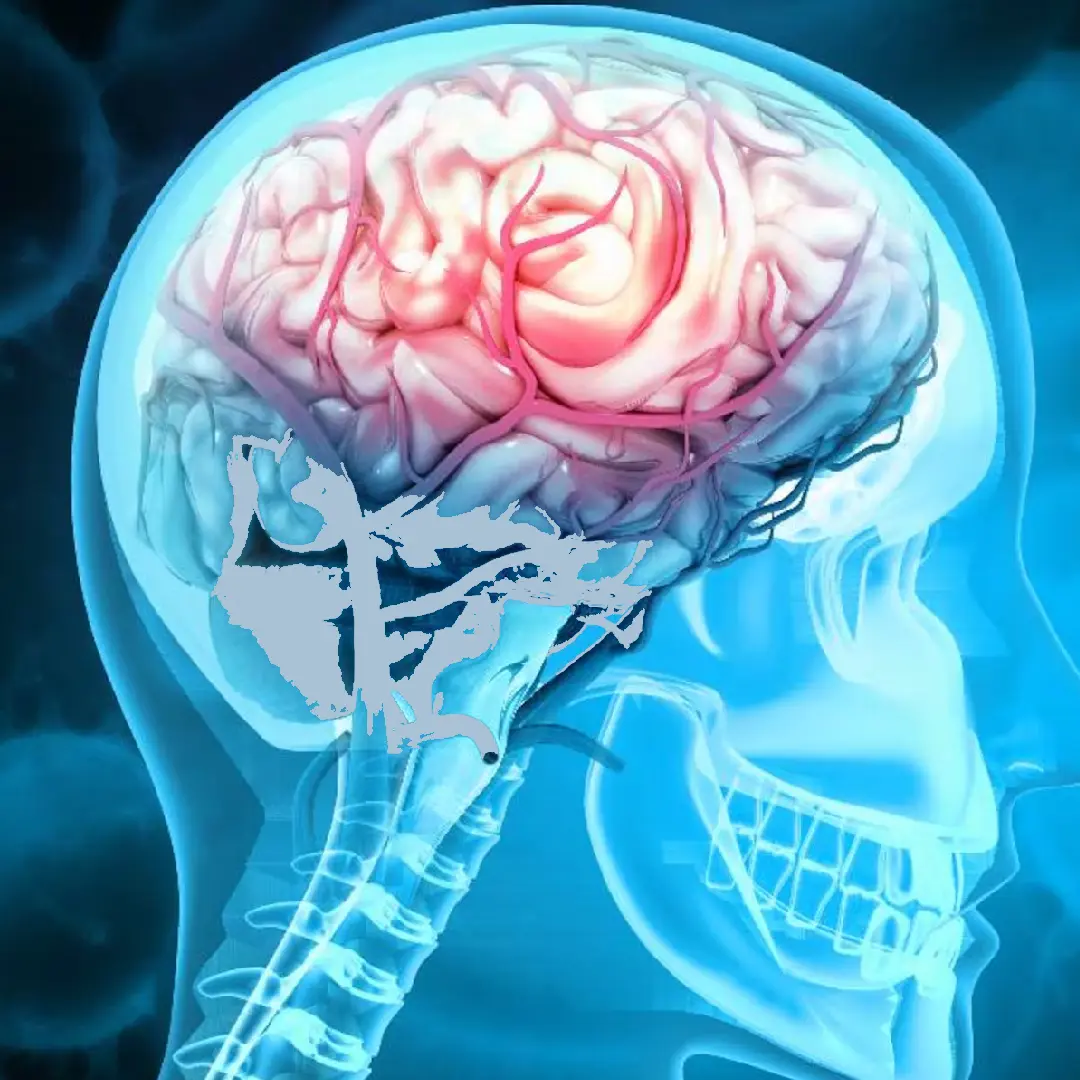
DBS improves motor symptoms of Parkinson's disease (tremor, rigidity, bradykinesia) by 40-60% and allows reduction of medication by approximately 75%. In essential tremor, thalamic DBS improves tremor in 80-90% of cases. In generalised dystonia, results are significant although with a latency of weeks to months. Overall procedural mortality at specialised centres is below 1%, with a haemorrhagic complication rate of approximately 1-2%.
Prognosis and results of surgical treatment for Parkinson's disease

Answers to your questions

What is DBS (deep brain stimulation)?
DBS is a technique that implants electrodes in specific brain structures (subthalamic nucleus, globus pallidus, thalamus) connected to a subcutaneous pulse generator. Electrical impulses modulate altered circuits, reducing symptoms of Parkinson's disease, tremor, or dystonia without destroying tissue. It is reversible and adjustable.
Does DBS cure Parkinson's disease?
No. DBS does not cure Parkinson's disease, but it significantly improves motor symptoms (tremor, rigidity, bradykinesia) and reduces fluctuations and dyskinesias. The effect is reversible: if the device is switched off, symptoms return.
When is DBS indicated for Parkinson's disease?
DBS is indicated when medication is insufficient to control symptoms: motor fluctuations, disabling dyskinesias, or refractory tremor despite optimal medical treatment. The ideal candidate has a good prior response to levodopa (positive pharmacological test) and no significant cognitive decline.
How long does the procedure take and what is the recovery like?
Electrode implantation takes 4-6 hours, usually under general anaesthesia. The pulse generator is placed in a separate session (30-60 min). Hospital discharge in 2-3 days. Parameter programming is carried out in outpatient appointments over the following weeks.
Where should I seek treatment for Parkinson's disease?
Our unit offers a multidisciplinary team of neurosurgeons specialised in Parkinson's disease using minimally invasive techniques (Ultra MISS endoscopic, microsurgery, and robotics), intraoperative neurophysiological monitoring, and a multidisciplinary committee when appropriate. We see national and international patients with a remote second opinion available prior to travel.
What criteria should I use to choose a neurosurgeon for Parkinson's surgery?
There is no single "best" universal answer. Objective criteria include: demonstrable subspecialisation in the condition, annual volume of similar surgeries, training at international reference centres, and published clinical outcomes. Our team meets all four criteria and offers personalised assessment with the most appropriate surgeon for each case.

What the clinical guidelines say

"DBS is the reference treatment for Parkinson's disease with motor fluctuations and disabling dyskinesias refractory to optimal medical treatment."
· Movement Disorder Society (MDS) · source

Scientific references consulted

Studies and clinical guidelines on which we base our approach to this condition.

  1. Deuschl G. et al. A randomized trial of deep-brain stimulation for Parkinson's disease. N Engl J Med. 2006. View publication
  2. Schuepbach WMM. et al. Neurostimulation for Parkinson's disease with early motor complications. N Engl J Med. 2013. View publication
  3. Elias WJ. et al. A randomized trial of focused ultrasound thalamotomy for essential tremor. N Engl J Med. 2016. View publication

Minimally invasive surgery for Parkinson's disease

Functional neurosurgery and movement disorder neurology

The management of Parkinson's disease, tremor and movement disorders combines functional surgery (HIFU, DBS) with specialist movement disorder neurology assessment, both before and after the procedure.
Dr. Pedro Roldán Ramos

Dr. Pedro Roldán Ramos

Neurosurgeon · Functional surgery, DBS and HIFU · Professor at the UB
View profile
Dr. Gabriel Salazar Tortolero

Dr. Gabriel Salazar Tortolero

Neurologist · Parkinson's disease, tremor and movement disorders
View profile

Where we treat Parkinson's disease

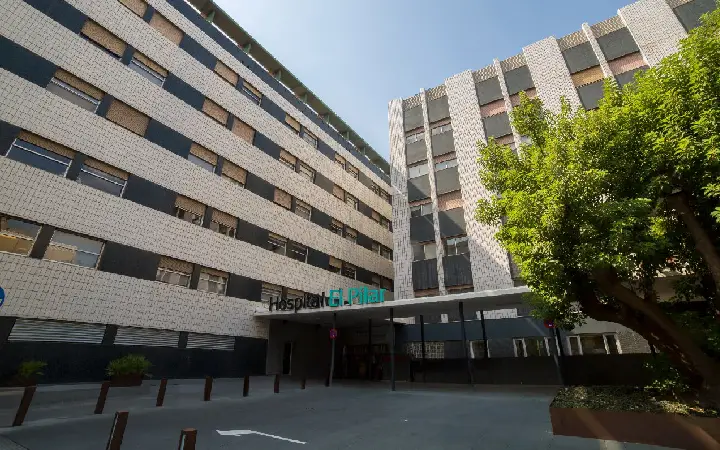
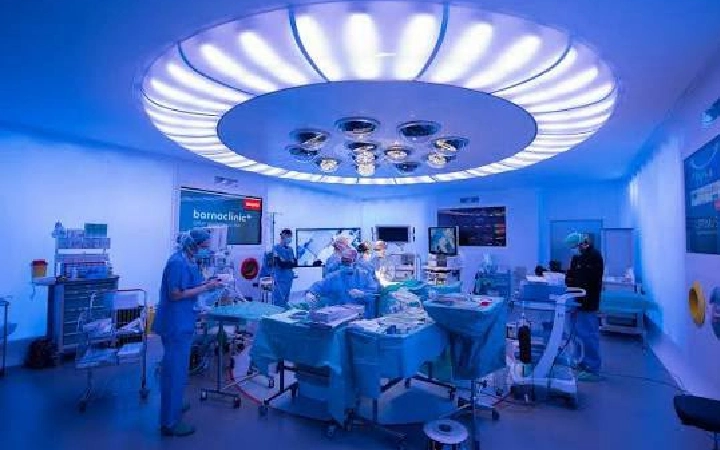
Surgical procedures are carried out in operating theatres equipped with the technology required for Parkinson's disease. Your first consultation and follow-up can take place at any of our centres in Barcelona.

Operating theatre

★ Operating theatre

Hospital El Pilar

C/ Balmes 271 · Barcelona
★ Operating theatre

Barnaclínic+

Barcelona

Consultation and follow-up

Consultation

Centro Médico Aribau

Barcelona
Consultation

Clínica Olivé Gumà

Barcelona
Patient reviews

What our patients say

5,0 Average rating on Doctoralia · testimonials anonymised with consent
High-grade glioma

"I arrived with a glioma I had been told was inoperable. Here they reviewed it at the tumour board and offered me a plan. The surgery was a success. Four years on, I am well."

M
M. · 52 years old
Operated on in 2022
Cervical disc herniation

"For years I had a cervical disc herniation, operated on by another team with no improvement. Minimally invasive surgery gave me back my mobility and took the pain away."

A
A. · 48 years old
Revision after a first surgery
International patient

"I travelled from outside Spain. The team reviewed my case before I came and gave me a clear plan. Caring people and impeccable technique."
L
L. · 39 years old
Remote second opinion
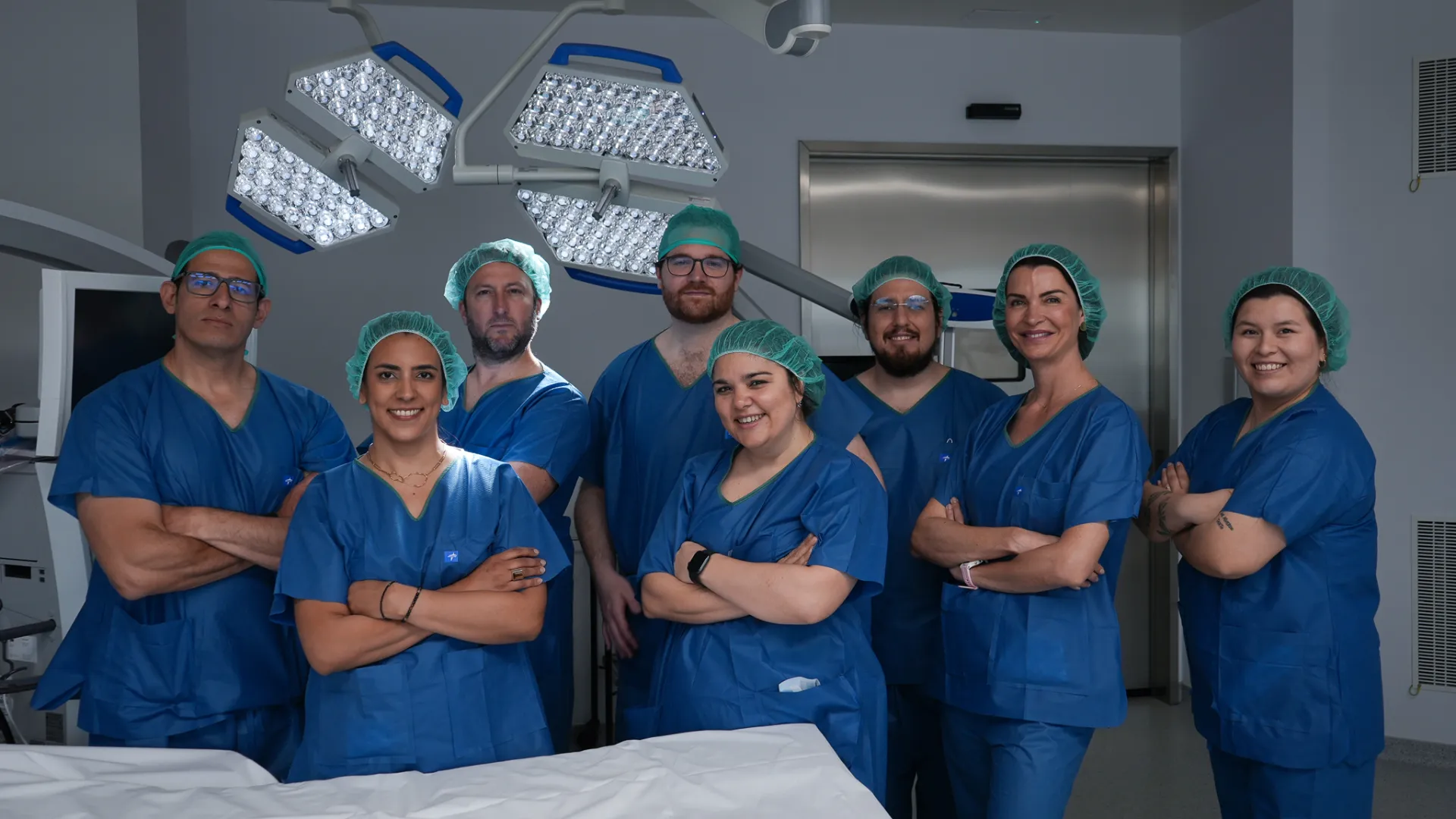
Medical team at Brain & Spine Barcelona: neurosurgeons, neurologists and nursing staff
A multidisciplinary team by your side. Neurosurgeons, neurologists and nursing staff working together on every case. Meet the whole team →
Request information

Parkinson's disease and DBS consultation

Send us the neurologist reports, MRI, and the levodopa pharmacological test. We evaluate your case in our functional committee within 24-48 hours.
Add specialty of interest (optional)

We reply within 24-48 working hours.