Refractory epilepsy

Refractory epilepsy surgery

30–40% of people with epilepsy do not respond to medication. Resective surgery achieves seizure freedom in 60–70% of selected cases, with a decisive impact on quality of life.

Refractory epilepsy surgery

Refractory epilepsy affects 30–40% of patients with epilepsy: those whose seizures are not controlled despite having tried two or more correctly prescribed antiepileptic drugs. When there is an identifiable epileptogenic focus, resective surgery achieves complete seizure freedom in 60–70% of selected cases at 5 years. The presurgical work-up includes prolonged video-EEG monitoring, high-resolution 3T MRI and, where necessary, SEEG with depth electrodes.
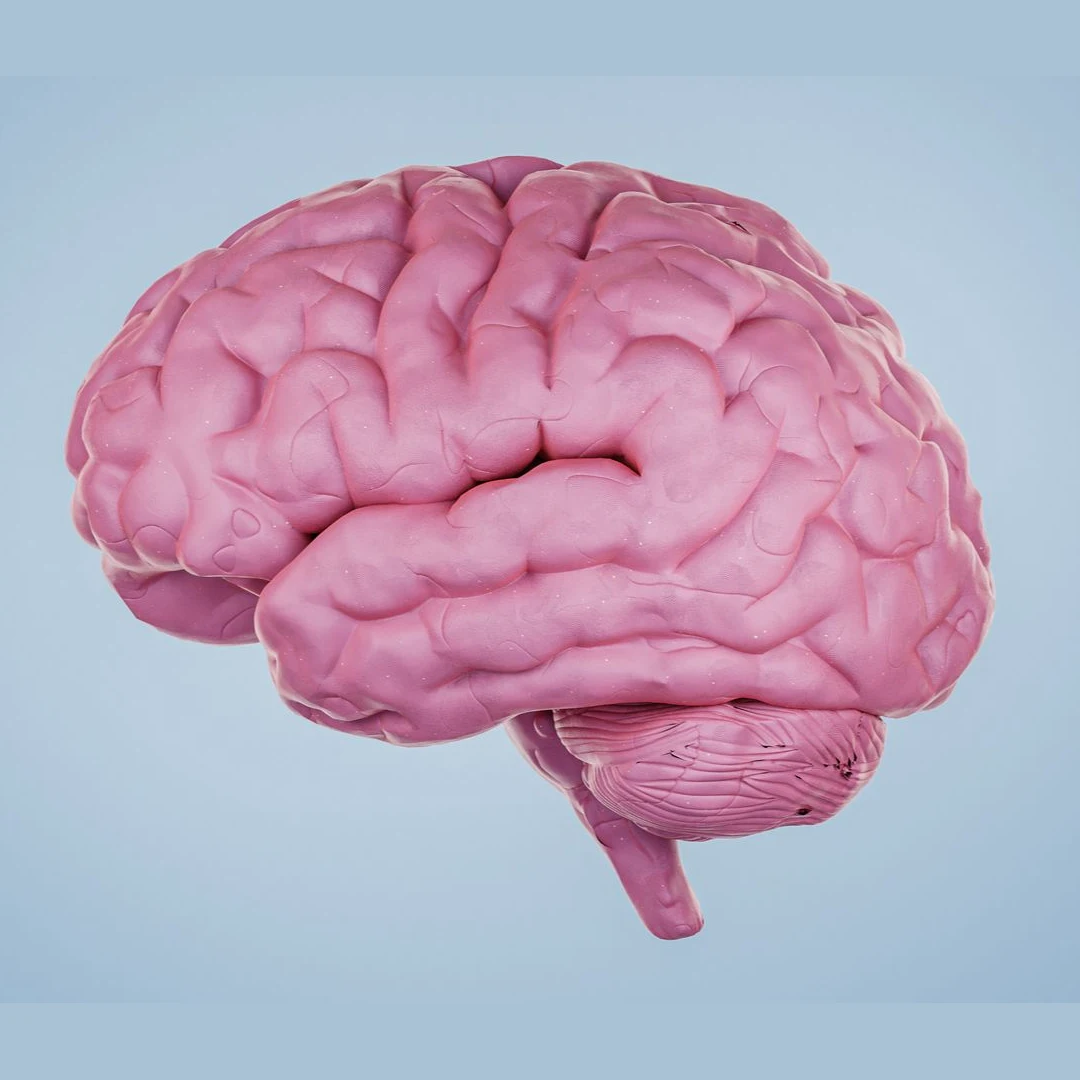
Refractory epilepsy surgery: resection of the epileptogenic focus
30–40%
of epilepsies are refractory to medication
60–70%
seizure freedom after surgery in selected cases
3T MRI + video-EEG
the pillars of the presurgical work-up

When should you see a neurosurgeon?

Assessment by an epilepsy surgery unit is recommended in cases of:

  • Seizures not controlled with 2 or more properly prescribed antiepileptic drugs
  • An epileptogenic focus potentially identifiable on MRI
  • Progressive cognitive or behavioural decline associated with the seizures
  • Temporal lobe epilepsy with hippocampal sclerosis
  • Structural epileptogenic lesions (cortical dysplasia, cavernoma, low-grade tumour)
Urgent care: Prolonged generalised seizures (>5 min) or status epilepticus are medical emergencies requiring immediate hospital care.

Which techniques do we use?

Resection of the epileptogenic focus

Surgical removal of the identified epileptogenic tissue. In selected temporal lobe epilepsy it achieves seizure freedom in 60–70% of patients at 5 years.

SEEG (stereoelectroencephalography)

Implantation of depth electrodes for ictal recording in epilepsies that are difficult to localise. Robotic assistance for maximum precision and minimal morbidity.

Vagus nerve stimulation (VNS)

An implantable device that stimulates the cervical vagus nerve to reduce seizure frequency and intensity when resective surgery is not feasible.

Corpus callosotomy and hemispherectomy

Palliative techniques in catastrophic epilepsies. Corpus callosotomy reduces atonic seizures and hemispherectomy is indicated in diffuse hemispheric epilepsies.

LITT · MRI-guided laser ablation

A minimally invasive alternative to resective surgery in well-defined epileptogenic foci (mesial temporal sclerosis, focal dysplasias, hypothalamic hamartomas). A 4 mm incision, thermal control by MRI and discharge within 24-48 h. See the full technique →

LITT versus resective surgery in drug-resistant epilepsy

Choosing between laser ablation and open surgery is not trivial. The most recent systematic review and meta-analysis (J Neurosurg, 20251) compares both approaches across 11 studies with 946 patients with non-tumoral epilepsy. These are the data we use in clinical decision-making.

Hospital stay
3.4 vs 6.8 days

Significantly shorter stay with LITT (p < 0.01)1.

Complications
18.3% vs 30.0%

LITT records fewer complications than open surgery (p < 0.01)1.

Complete seizure freedom
53.7% vs 68.1%

Open surgery tends towards better rates, with no overall statistical difference (p = 0.07)1.

Reoperations
13.1% vs 13.4%

Reoperation rates are practically equivalent between the two groups1.

How we apply this in clinic

An honest reading of the available evidence is that both techniques are complementary, not mutually exclusive alternatives:

  • Resective surgery still offers, in absolute terms, the highest rates of complete seizure freedom, particularly when the resection is precisely targeted at the epileptogenic zone and in non-temporal or paediatric epilepsies.
  • LITT is preferable when the focus is well defined and accessible along a stereotactic trajectory, when the patient is not a candidate for craniotomy (age, comorbidity, anaesthetic risk) or when a fast recovery and a more favourable complication profile are the priority.
  • Differences in complete remission were not statistically significant overall (p = 0.07), although they were in subgroup analyses favouring open resection in paediatric and non-temporal epilepsy1.
At Brain & Spine Barcelona, LITT is performed by Dr. Pedro Roldán. Every case of drug-resistant epilepsy is discussed at a functional board with epileptology, neuropsychology and neuroradiology before a route is proposed. The decision depends on the epilepsy subtype, the location and accessibility of the focus, the patient's age and the therapeutic goals.
Scientific references (16)

Main comparative meta-analysis

  1. Maroufi SF, Fallahi MS, Amirkhani N, et al. Laser interstitial thermal therapy versus open resective surgery for non-tumoral epilepsy: a systematic review and meta-analysis of comparative studies. J Neurosurg. 2025. doi:10.3171/2025.8.JNS25496. PMID: 41576371.

Pioneering series and foundational work

  1. Kang JY, Wu C, Tracy J, et al. Laser interstitial thermal therapy for medically intractable mesial temporal lobe epilepsy. Epilepsia. 2016;57(2):325-334. doi:10.1111/epi.13278.
  2. Wicks RT, Jermakowicz WJ, Jagid JR, et al. Laser interstitial thermal therapy for mesial temporal lobe epilepsy. Neurosurgery. 2016;79(Suppl 1):S83-S91.
  3. Jermakowicz WJ, Kanner AM, Sur S, et al. Laser thermal ablation for mesiotemporal epilepsy: analysis of ablation volumes and trajectories. Epilepsia. 2017;58(5):801-810.

Clinical and neuropsychological outcomes

  1. Greenway MRF, Lucas JA, Feyissa AM, et al. Neuropsychological outcomes following stereotactic laser amygdalohippocampectomy. Epilepsy Behav. 2017.
  2. Cajigas I, Kanner AM, Ribot R, et al. Magnetic resonance–guided laser interstitial thermal therapy for mesial temporal epilepsy: outcomes and complications at 2-year follow-up. World Neurosurg. 2019.
  3. Tao JX, Wu S, Lacy M, et al. Stereotactic EEG-guided laser interstitial thermal therapy for mesial temporal lobe epilepsy. J Neurol Neurosurg Psychiatry. 2018;89(5):542-548.

Systematic reviews and meta-analyses

  1. Wang Y, Xu J, Liu T, et al. MR-guided laser interstitial thermal therapy versus SEEG-guided radiofrequency thermocoagulation for drug-resistant epilepsy: systematic review and meta-analysis. Epilepsy Res. 2020;163:106397.
  2. Ekman FR, Hsieh JK, Sharma M, et al. Laser interstitial thermal therapy versus open surgery for mesial temporal lobe epilepsy: a systematic review and meta-analysis. World Neurosurg. 2024;192:224-235.
  3. Mo J, Liu C, Wang X, et al. Magnetic resonance-guided laser interstitial thermal therapy versus open surgery in drug-resistant mesial temporal lobe epilepsy. Int J Surg. 2024.
  4. Stavrogianni K, et al. Neuropsychological outcomes comparing traditional surgery and MRgLITT for refractory mesial temporal lobe epilepsy. Epilepsia. 2026.

Contemporary reviews and state of the art

  1. Calafiore RL, et al. Laser interstitial thermal therapy for epilepsy. Curr Treat Options Neurol. 2025.
  2. Issa NP, et al. Interstitial laser ablation for epilepsy: beauty lies in the eye of the beholder. J Neurol Neurosurg Psychiatry. 2023.
  3. Landazuri P, et al. Interstitial thermal therapy in mesial temporal lobe epilepsy. JAMA Neurol. 2025.

Paediatric and other indications

  1. Curry DJ, Gowda A, McNichols RJ, Wilfong AA. MR-guided stereotactic laser ablation of epileptogenic foci in children. Epilepsy Behav. 2012.
  2. Arocho-Quinones EV, Lew SM, Hanson DS, et al. MRI-guided stereotactic laser ablation therapy for pediatric epilepsy: a multicenter series. J Neurosurg Pediatr. 2023.

Presurgical work-up

The process begins with a multidisciplinary assessment: functional neurosurgery, epileptology, neuropsychology and neuroradiology. The protocol includes long-term video-EEG monitoring (3–7 days), high-resolution 3 Tesla MRI, ictal/interictal SPECT, PET and the Wada test or cortical stimulation where appropriate. Every case is presented at a functional board before the surgical indication is decided.

The neurosurgeons who treat it

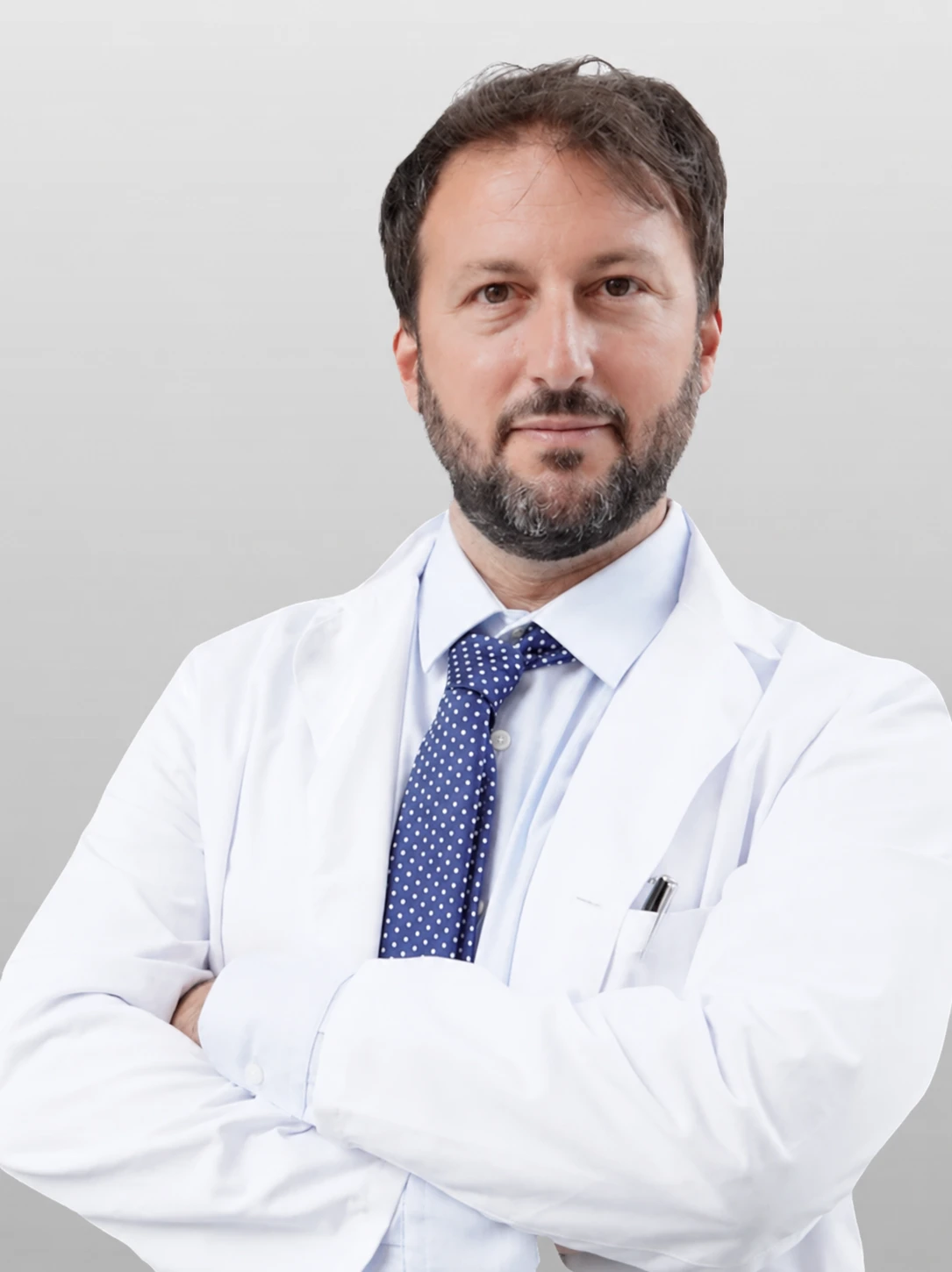
Dr. Pedro Roldán Ramos

Dr. Pedro Roldán Ramos

Neurosurgeon · Functional, DBS and FUS
View profile →

Prognosis and recovery

In selected refractory epilepsy, resective surgery achieves complete seizure freedom in 60–70% of patients at 5 years. The best outcomes are obtained in temporal lobe epilepsy with hippocampal sclerosis. The improvement in quality of life is significant even in patients who do not achieve complete seizure freedom. Delay in referral to the surgical team is a negative prognostic factor: every year of progression without surgery further consolidates the epileptic circuits.
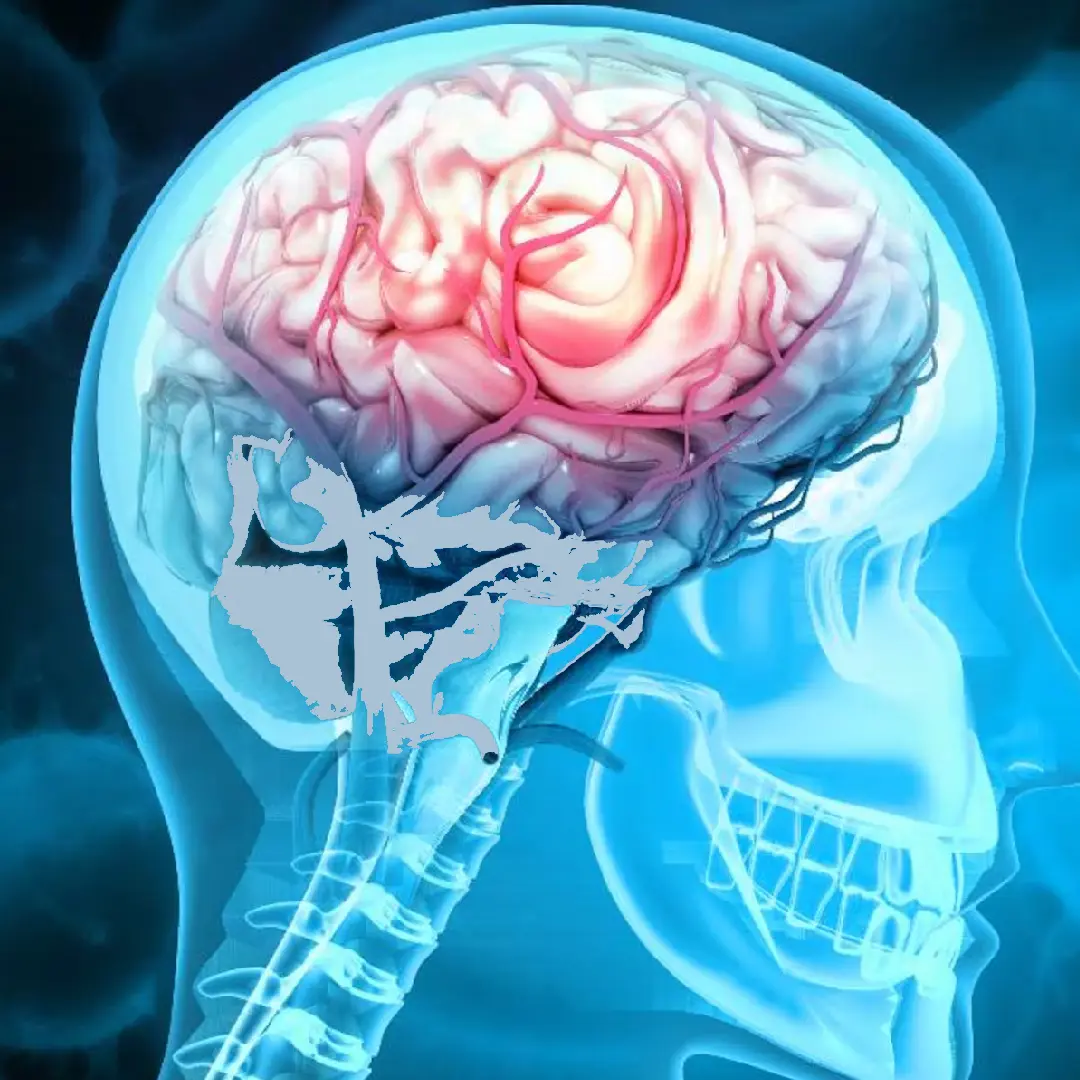
Outcomes and prognosis of refractory epilepsy surgery

Answers to your questions

Who is a candidate for epilepsy surgery?
Patients with refractory epilepsy (seizures not controlled with 2 or more properly prescribed drugs) and an identifiable epileptogenic focus after video-EEG monitoring + MRI + functional studies. Between 30 and 40% of epilepsies are refractory and a significant proportion of these patients can benefit from surgery.
What is SEEG (stereoelectroencephalography)?
SEEG involves implanting depth electrodes for ictal recording in epilepsies that are difficult to localise from the surface. It is performed with robotic assistance for maximum precision and minimal morbidity. It makes it possible to map the epileptogenic focus in three dimensions before deciding on the resection strategy.
What outcomes are achieved after epilepsy surgery?
Resective surgery achieves complete seizure freedom in 60-70% of selected patients with temporal lobe epilepsy at 5 years. Outcomes depend on the correct identification of the focus, the extent of the resection and the characteristics of the underlying lesion.
Where can refractory epilepsy be treated?
At our unit, a multidisciplinary team of neurosurgeons specialising in refractory epilepsy, with minimally invasive techniques (endoscopic Ultra MISS, microsurgery and robotics), intraoperative neurophysiological monitoring and a functional board where appropriate. We treat national and international patients, with a remote second opinion before any travel.
How do I request a second opinion on refractory epilepsy?
Send us your medical reports, video-EEG, 3T MRI and, if available, ictal/interictal SPECT. The team reviews the case and gives you a written report with the recommended strategy within 24-48 hours. A second opinion is especially advisable before the first operation: the quality of that first procedure determines the long-term functional prognosis.

What the clinical guidelines say

"Surgery should be considered in any patient with drug-resistant epilepsy after the failure of 2 adequately prescribed antiepileptic regimens. Delay in referral is one of the most relevant modifiable prognostic factors."
· International League Against Epilepsy (ILAE) · source

Scientific references consulted

The studies and clinical guidelines on which we base our approach to this condition.

  1. Fisher RS. et al. ILAE Official Report: A practical clinical definition of epilepsy. Epilepsia. 2014. View publication
  2. Engel J Jr. et al. Early surgical therapy for drug-resistant temporal lobe epilepsy (ERSET). JAMA. 2012. View publication
Patient reviews

What our patients say

5,0 Average rating on Doctoralia · testimonials anonymised with consent
High-grade glioma

"I arrived with a glioma I had been told was inoperable. Here they reviewed it at the tumour board and offered me a plan. The surgery was a success. Four years on, I am well."

M
M. · 52 years old
Operated on in 2022
Cervical disc herniation

"For years I had a cervical disc herniation, operated on by another team with no improvement. Minimally invasive surgery gave me back my mobility and took the pain away."

A
A. · 48 years old
Revision after a first surgery
International patient

"I travelled from outside Spain. The team reviewed my case before I came and gave me a clear plan. Caring people and impeccable technique."
L
L. · 39 years old
Remote second opinion
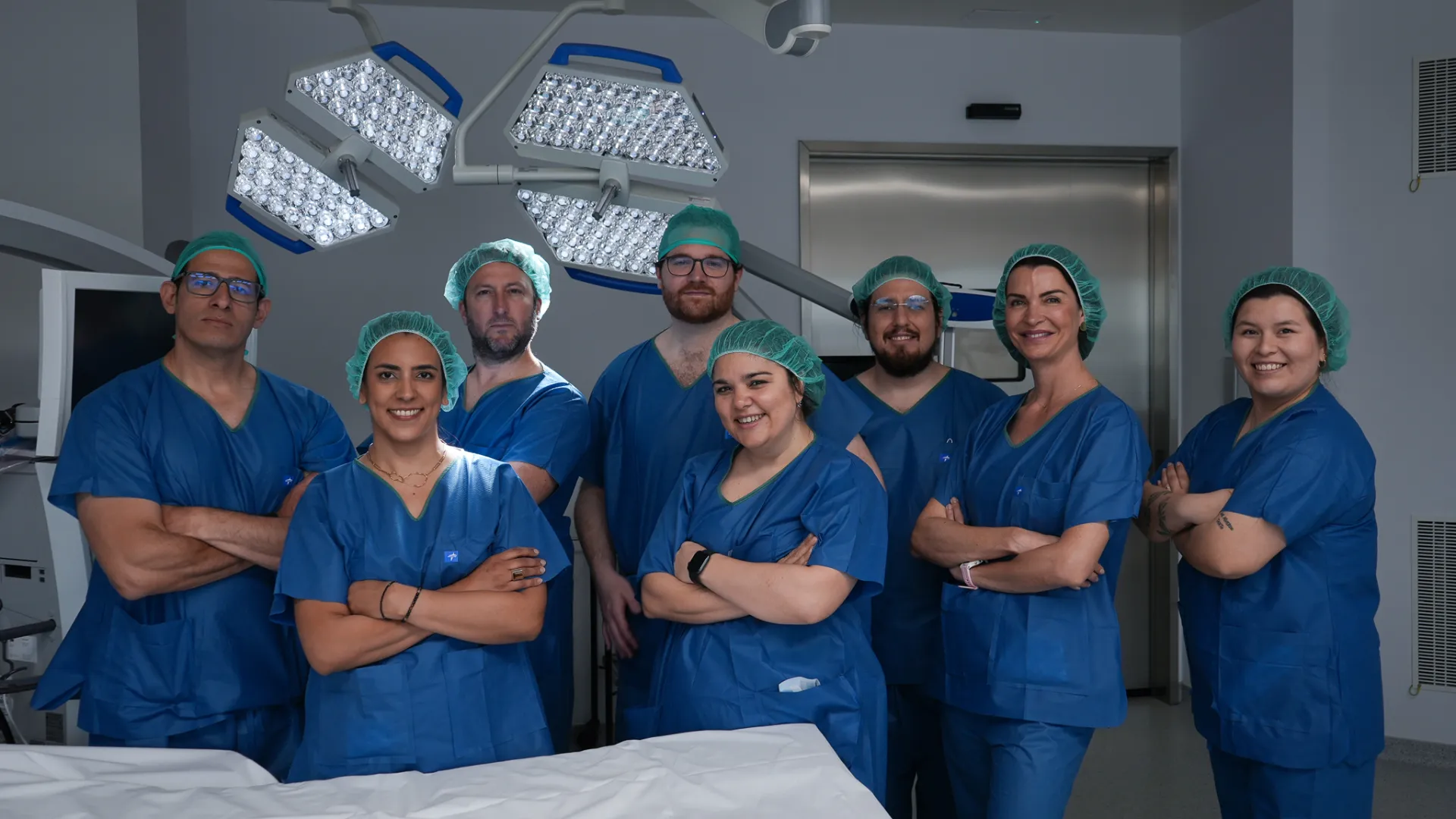
Medical team at Brain & Spine Barcelona: neurosurgeons, neurologists and nursing staff
A multidisciplinary team by your side. Neurosurgeons, neurologists and nursing staff working together on every case. Meet the whole team →
Request information

Refractory epilepsy enquiry

Send us your neurologist (epileptologist) reports, video-EEG and 3T MRI. Functional board within 24-48h.

Add specialty of interest (optional)

We reply within 24-48 working hours.