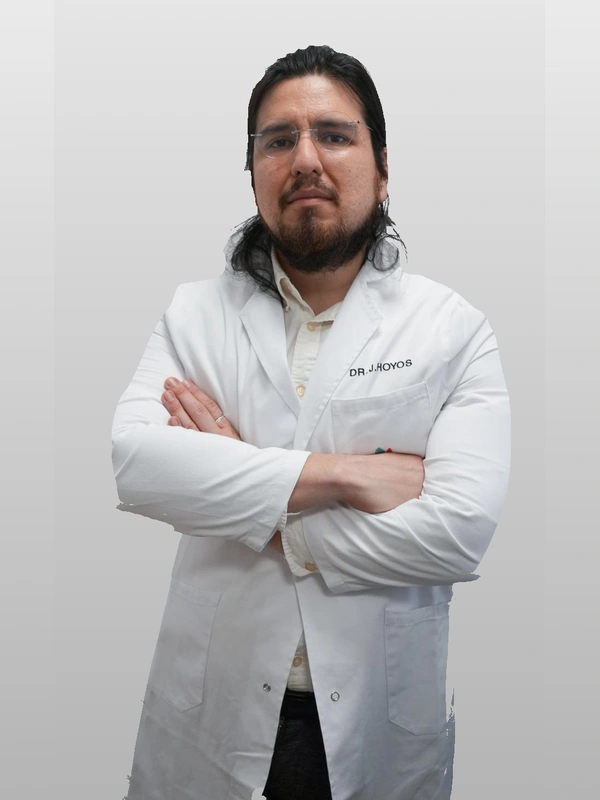
Dr. Jhon A. Hoyos Castro
Neurosurgeon · Spine and pain surgery
View profile
Electrical neuromodulation of the spinal cord for patients with chronic pain refractory to conventional medical treatment.
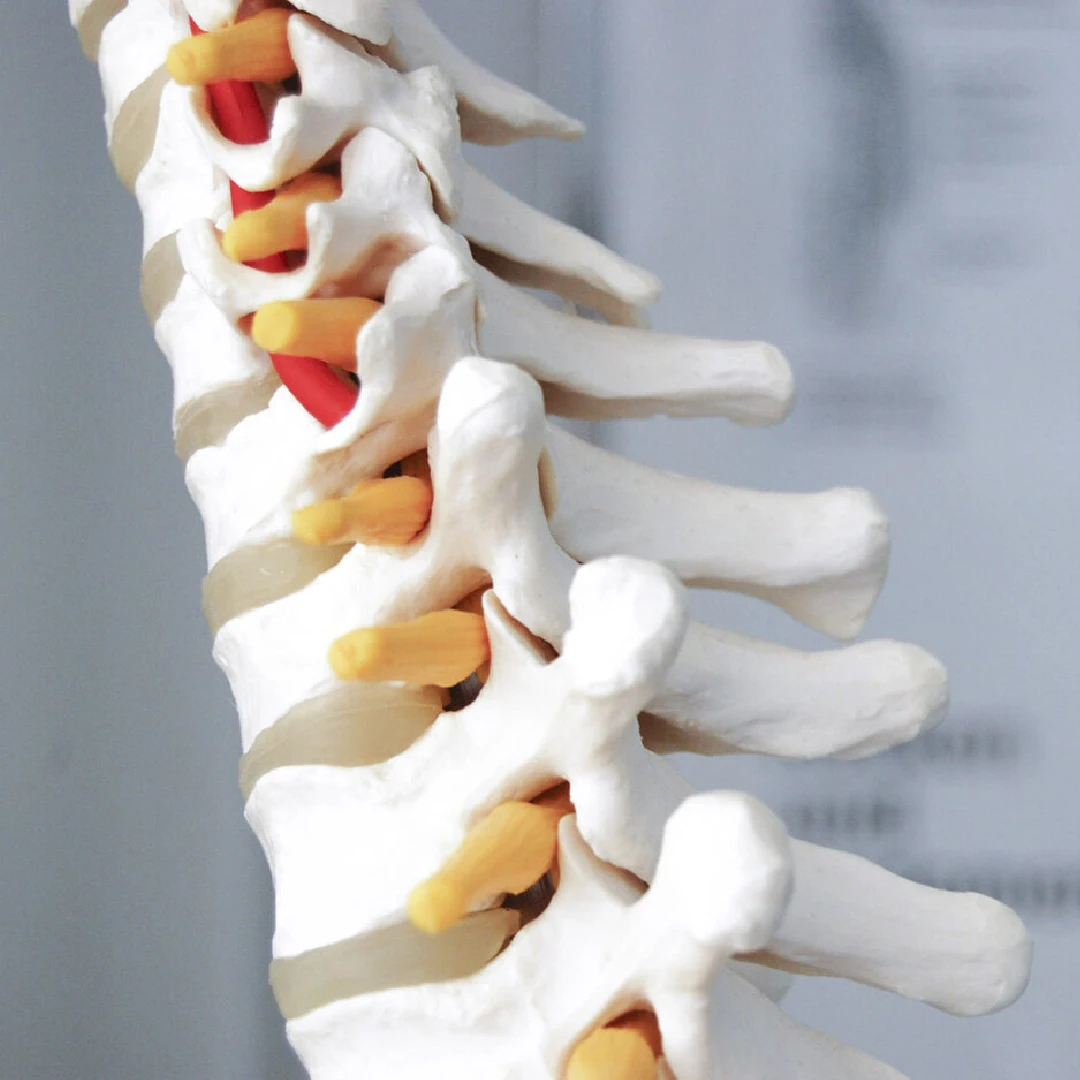
Spinal cord stimulation (SCS) involves implanting epidural electrodes connected to a programmable generator. The electrical pulses modulate the transmission of pain to the brain, reducing its intensity without affecting normal sensation.
Coordinated study with the pain unit: history, pain mapping, scales (VAS, ODI, SF-36), imaging and psychological assessment. Confirmation that this is refractory neuropathic pain that is a candidate for neuromodulation.
Temporary implantation of an epidural electrode by puncture under sedation and radiological guidance. The cable is externalised and the patient uses an external stimulator for 7-14 days to assess the real response in their daily life.
If pain reduction exceeds 50% and functional improvement is achieved, the definitive implant proceeds. If the response is insufficient, the temporary electrode is removed without consequences.
Placement of the paddle lead in the epidural space (percutaneous or surgical with minimal laminotomy) and the pulse generator (IPG) under the skin (upper gluteal or abdominal area). The cable between the two is subcutaneously tunnelled.
Adjustment of amplitude, frequency and patterns (tonic, Burst, high frequency) according to the patient's painful area. Programming is refined in the first weeks until the pattern that best controls the pain is found.
Periodic reviews with the pain unit. Rechargeable or replaceable IPG battery every 5-9 years depending on the model. Reprogramming when the pain pattern changes.
"I arrived with a glioma I had been told was inoperable. Here they reviewed it at the tumour board and offered me a plan. The surgery was a success. Four years on, I am well."
"For years I had a cervical disc herniation, operated on by another team with no improvement. Minimally invasive surgery gave me back my mobility and took the pain away."
"I travelled from outside Spain. The team reviewed my case before I came and gave me a clear plan. Caring people and impeccable technique."
We assess whether spinal cord stimulation is a suitable alternative for your case.