Brain&Spine Neurosurgery of the brain and spine

A unit specialising in surgery of the nervous system and the spine. We treat patients from Spain and from other countries. A multidisciplinary team reviews every case before proposing treatment.

Reply within 24-48h

Request your assessment

Send us your reports or briefly describe your case. Our multidisciplinary board will reply.

+15
years of experience in neurosurgery
Technology
robotics, intraoperative CT and HIFU
24–48h
reply to your enquiry and second opinion
Patients
international, with travel arrangements handled
Surgical technology

Equipment we use in theatre.

In theatre we work with surgical robots, a fluorescence microscope, intraoperative CT and HIFU, an incisionless technique. The team performs more than 1,000 procedures a year.

Cyber Surgery

ALAYA robot

Robotic assistant for the placement of pedicle screws in spine surgery. Millimetre-accurate trajectory with patented kinematic tracking.

Endoscopy

Cranial and spinal endoscopy

Minimally invasive approaches through incisions of just a few millimetres. Endonasal pituitary surgery, hydrocephalus and disc pathology with high-definition endoscopes, using both uniportal and biportal techniques.

Medtronic

O-ARM · intraoperative CT

Computed tomography inside the operating theatre. We check implant placement in real time, during the procedure itself, without having to wait until afterwards.

Renishaw

NEUROMATE brain robot

Stereotactic robot for functional neurosurgery: DBS for Parkinson's disease, SEEG in epilepsy and brain biopsies. Submillimetre accuracy in deep structures.

HIFU

HIFU · incisionless surgery · Parkinson's disease and tremor

MRI-guided high-intensity focused ultrasound. Treatment of essential tremor and Parkinson's disease without opening the skull, with no general anaesthetic and same-day hospital discharge.

Zeiss

PENTERO / KINEVO microscope

Surgical microscope with intraoperative fluorescence and robotic positioning for cranial and spinal microsurgery.

Robot-assisted surgery with ALAYA

We use the ALAYA Robotic Assistant (Cyber Surgery) for the precise placement of pedicle screws in spinal fusion surgery, both open and minimally invasive.

ALAYA guides the trajectory of the surgical instruments through a patented kinematic tracking system that requires no optical navigation cameras: it avoids the classic line-of-sight problems and takes up less space in theatre. The patient's position is monitored in real time by a bone reference clamp attached directly to the tracking device, which improves the overall accuracy of the procedure.

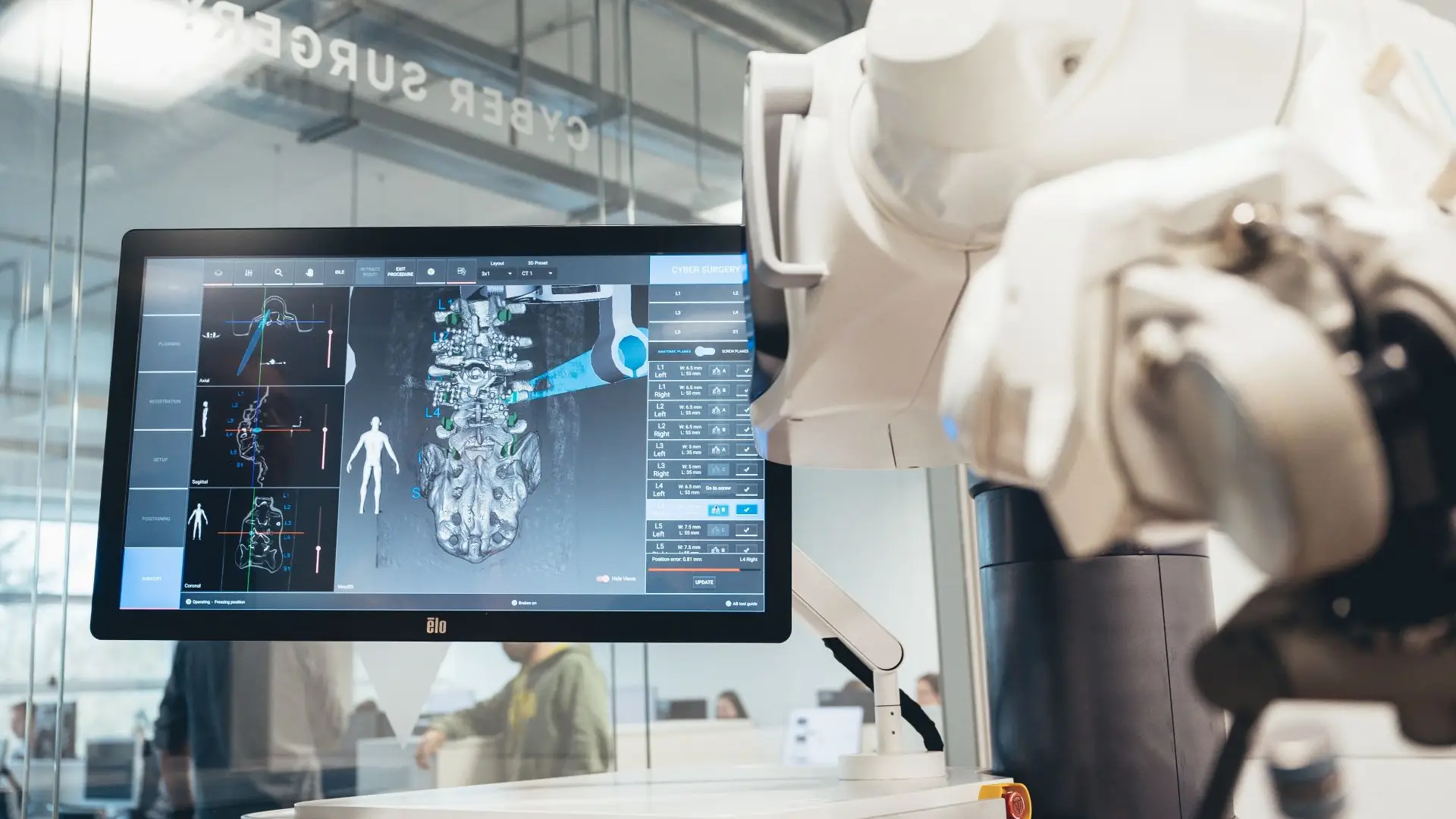
ALAYA robot by Cyber Surgery · ALAYA robot deployed in theatre during spinal fusion surgery.
ALAYA robot deployed in theatre during spinal fusion surgery.

What do we use it for?

  • Pedicle screw placement in the posterior thoracic and sacro-lumbar spine.
  • Spinal fusion surgery, both open and minimally invasive.
  • Intraoperative 3D planning using preoperative or intraoperative 2D/3D CT.
  • Implant-brand independence: compatible with any commercially available cannulated screw.
A real benefit for the patient: a reduction in mean hospital stay from 9.4 to 6.8 days documented with robotic assistance in spinal fusion, together with lower intraoperative radiation exposure for both patient and team.
ALAYA robotic assistant by Cyber Surgery in the operating theatre
Video: ALAYA Robotic Assistant (Cyber Surgery) in the operating theatre. Click to play.
↑
Greater accuracy

Significantly more accurate pedicle screw placement than with conventional technique.

↓
Minimally invasive

Less tissue damage, lower risk of infection and faster postoperative recovery.

⏱
Shorter operating time

An intuitive workflow and fast set-up that shorten the length of the procedure.

☢
Lower radiation

The system minimises the number of image acquisitions needed during surgery.

How can we help you?

Conditions we treat
most often.

From disc herniations to movement disorders. These are the areas in which the Brain & Spine Barcelona team has the most surgical experience.

See all specialties
Featured specialties

Priority treatments.

See all
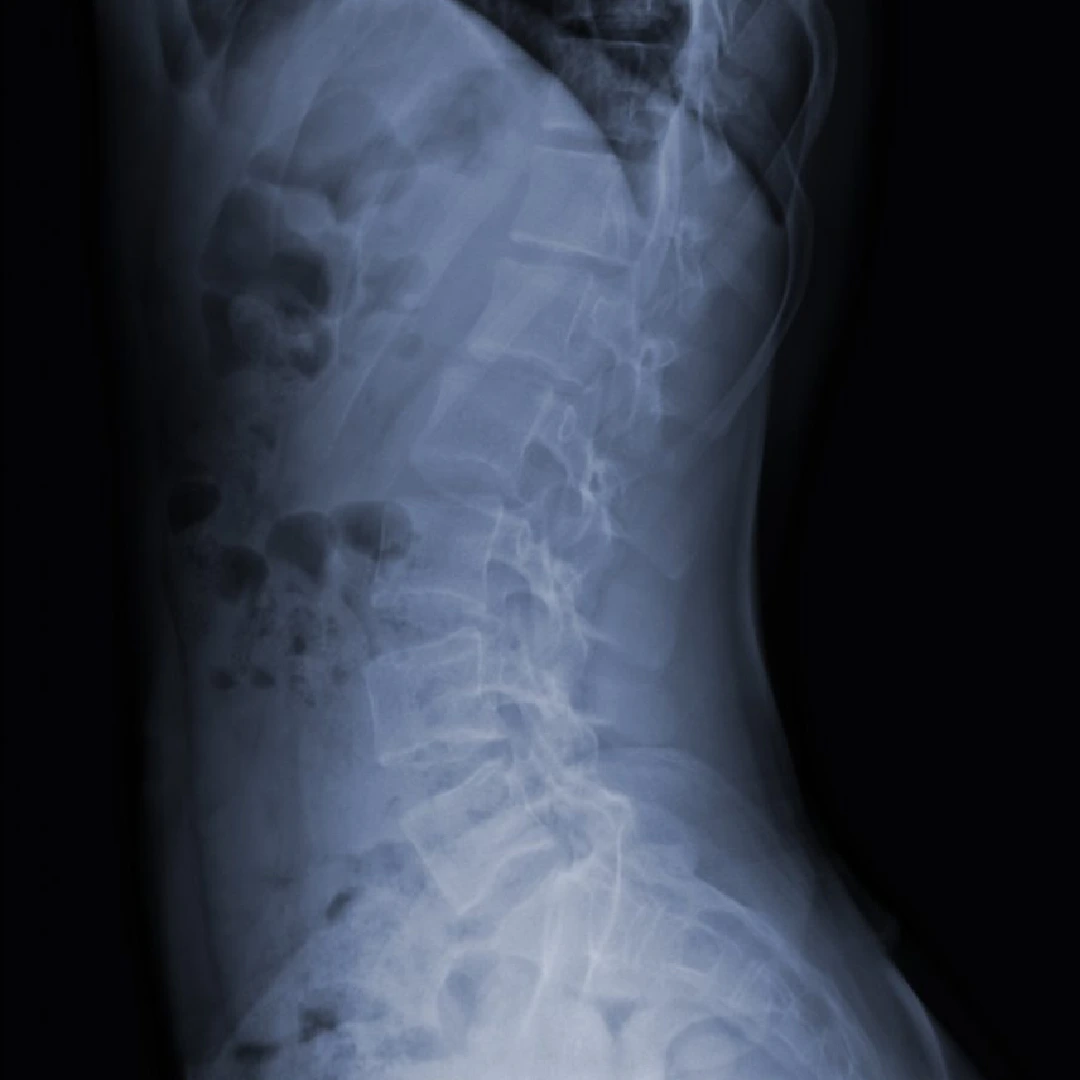
Cervical spine surgery
Spine surgery

Cervical Spine

Minimally invasive surgery for disc herniation, canal stenosis and traumatic cervical injury.
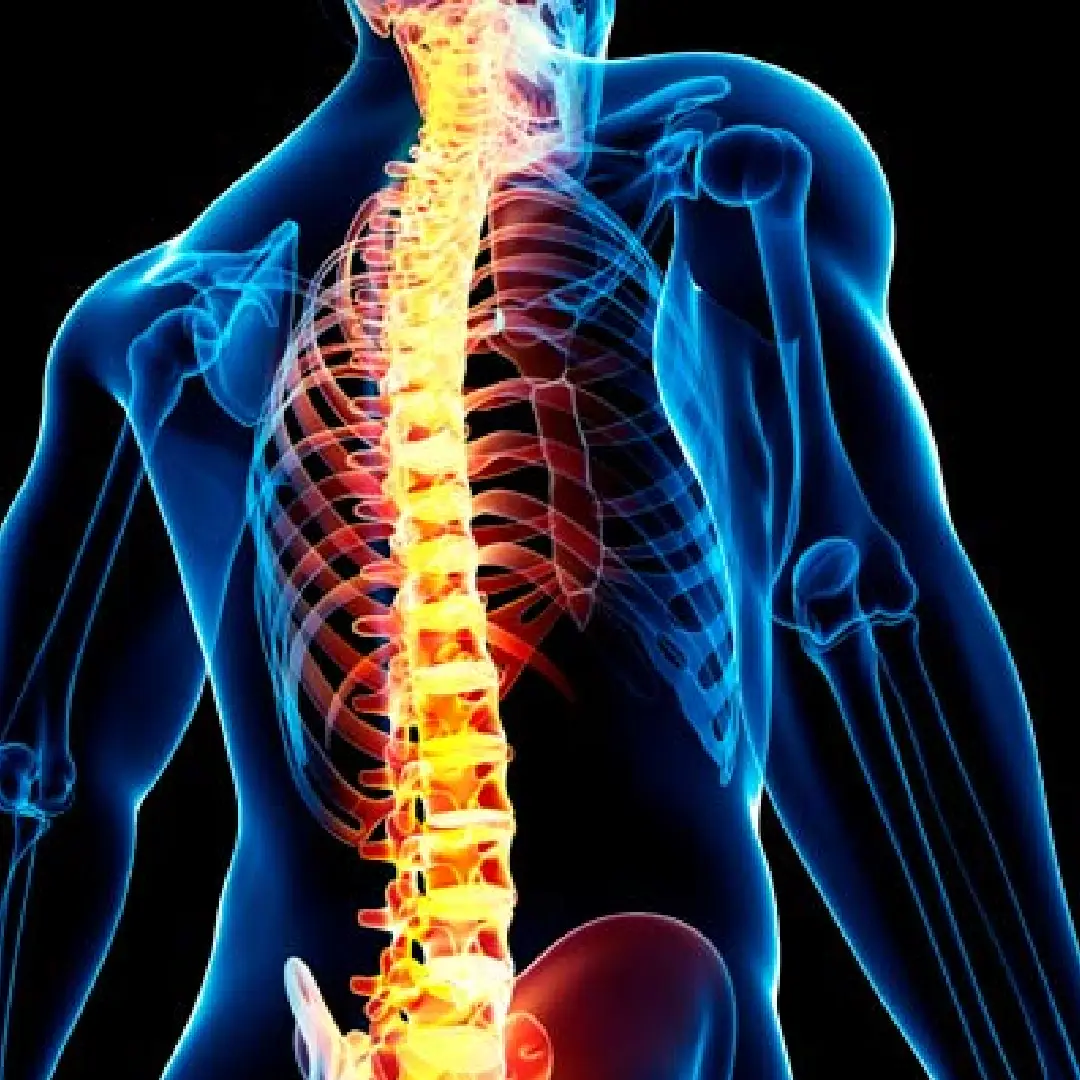
Lumbar spine surgery
Spine surgery

Lumbar Spine

Endoscopic and microsurgical techniques for disc herniation, canal stenosis and degenerative lumbar disease.
Essential tremor treatment
Movement disorders

Essential Tremor

Treatment of essential tremor with DBS or HIFU, the latter without incisions. The aim is to improve function and reduce medication.
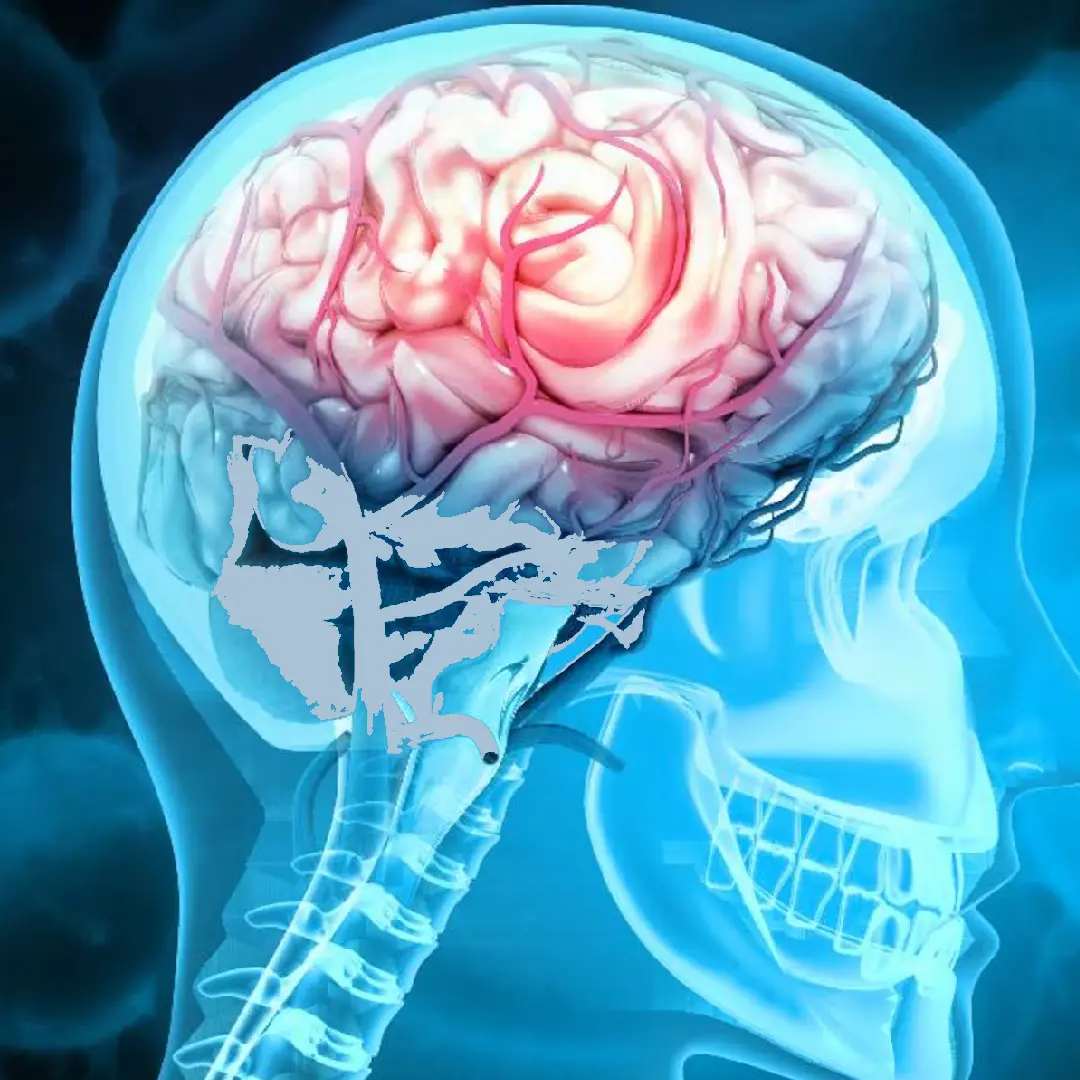
HIFU, MRI-guided focused ultrasound
Incisionless

HIFU · surgery without opening

MRI-guided focused ultrasound. Treatment of essential tremor and Parkinson's disease without opening the skull, with no general anaesthetic and same-day discharge.
Parkinson's disease treatment with DBS and HIFU
Functional neurosurgery

Parkinson's · DBS and HIFU

Deep brain stimulation (DBS) and radiosurgery/HIFU, depending on the clinical indication. It can reduce medication by up to 75%.

Refractory epilepsy surgery
Functional neurosurgery

Refractory Epilepsy

Surgical resection of the epileptic focus, SEEG, VNS and neuromodulation. 60–70% seizure-free at 5 years.
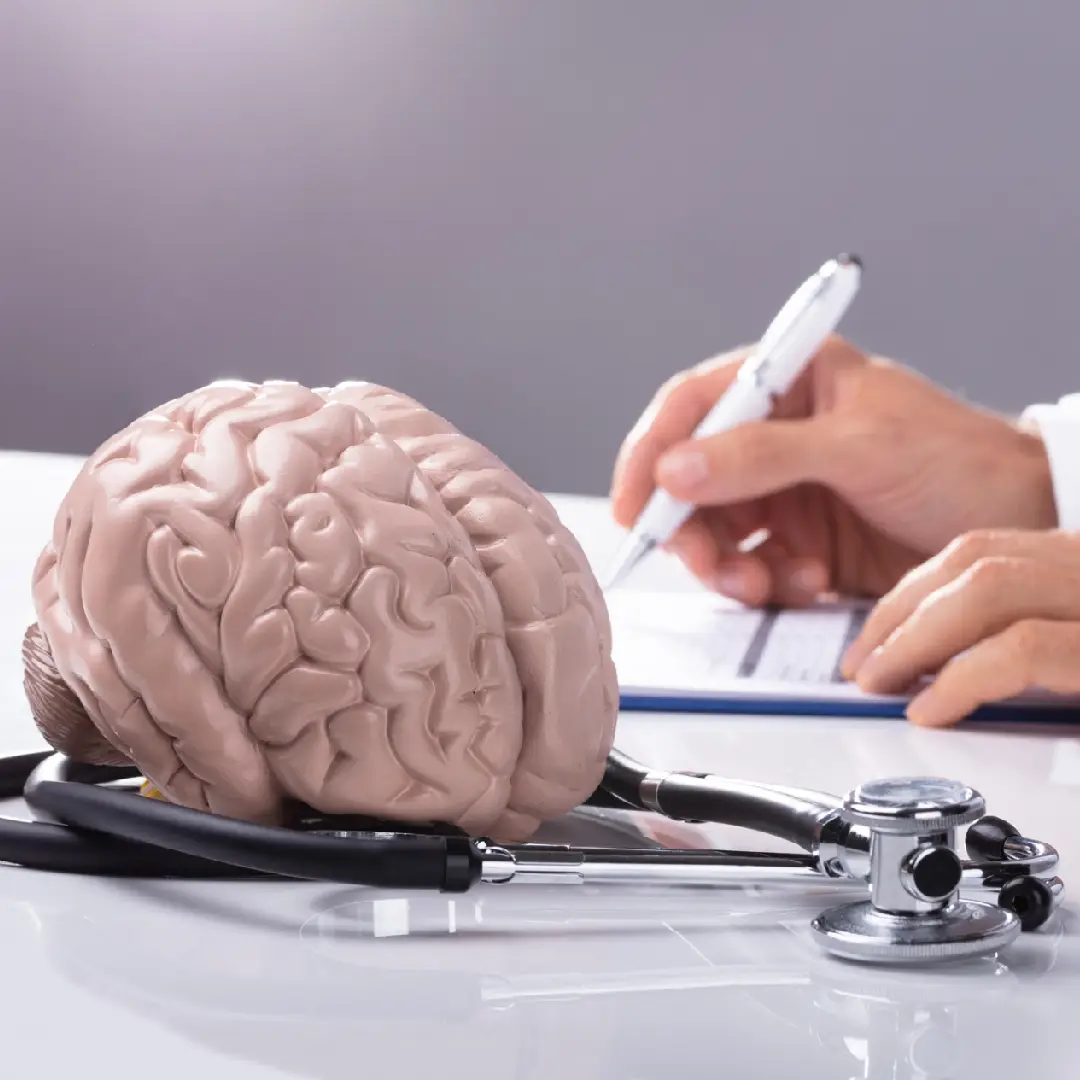
Surgery for gliomas and intra-axial tumours
Neuro-oncology

Gliomas and Intra-axial Tumours

Maximum safe resection with neuronavigation, awake craniotomy and intraoperative neurophysiological monitoring.

Microsurgical resection of meningiomas
Neuro-oncology

Meningiomas

Complete microsurgical resection of the most common extra-axial tumours, with low recurrence rates.

Acoustic neuroma surgery
Skull base

Acoustic Neuroma

Skull base approaches preserving hearing and facial function in selected tumours.
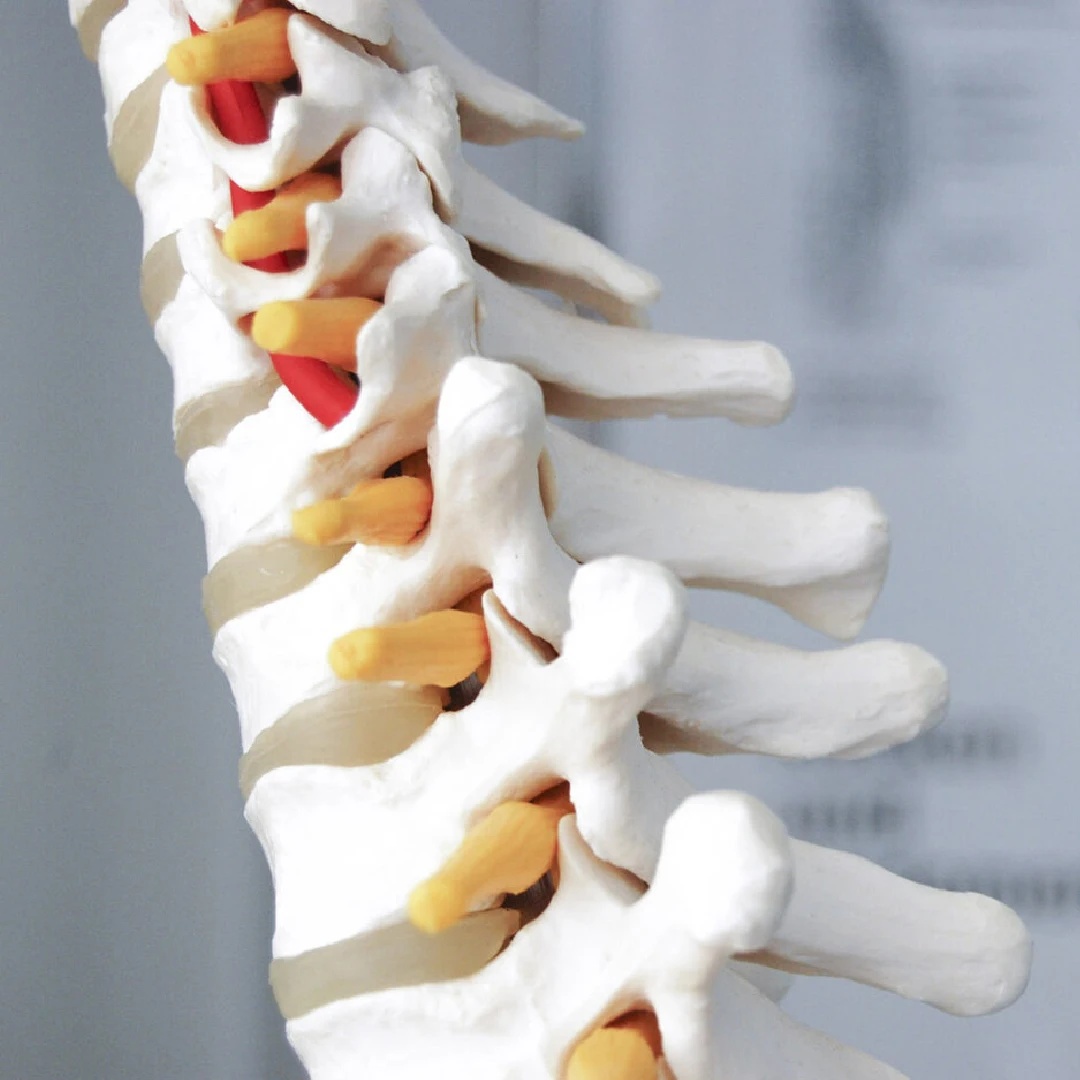
Cerebrovascular surgery
Neurovascular

Cerebrovascular Surgery

Intracranial aneurysms and arteriovenous malformations. Microsurgical clipping or endovascular approach.
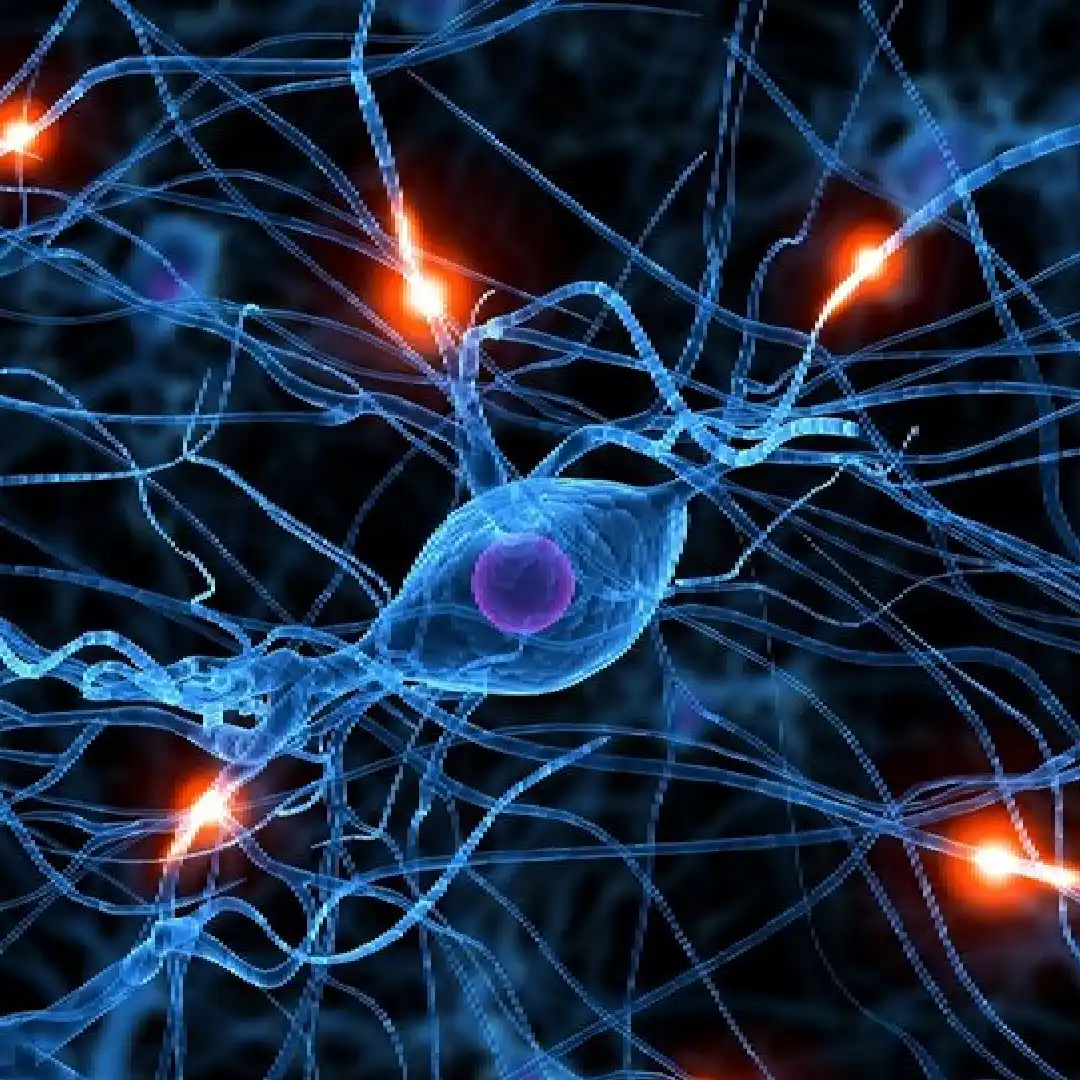
Treatment of chronic headaches and migraine
Clinical neurology

Chronic Headaches and Migraine

Differential diagnosis and treatment of chronic headaches and refractory migraine.

How we work

A process centred on the patient

These are the steps from the first contact to postoperative follow-up.

01

Send us your scans

Share your MRI scans or medical reports remotely. We review your case before you travel anywhere.

02

Multidisciplinary board

Your case is presented to our team of neurosurgeons, neuro-oncologists and neuroradiologists.

03

Assessment consultation

We explain the treatment plan and take the time to answer your questions.

04

Surgery and follow-up

A planned procedure and postoperative follow-up, including by video call.

Our team

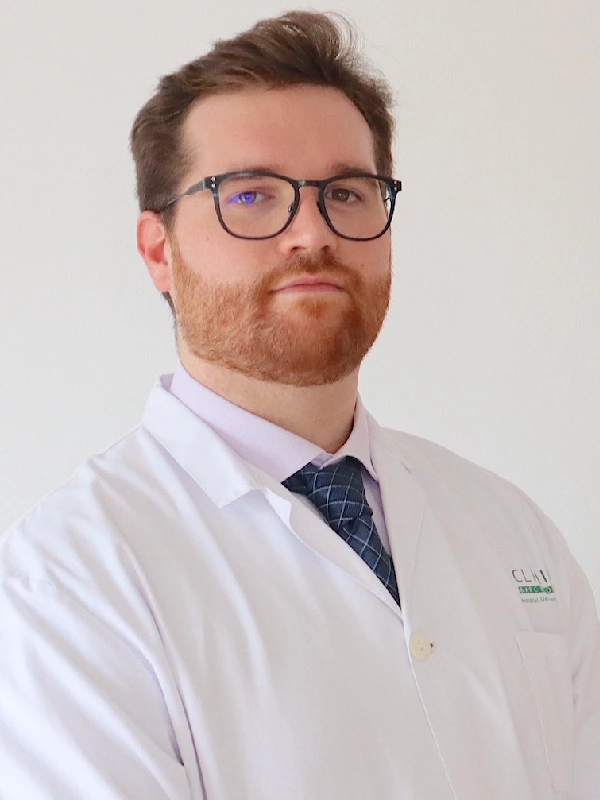
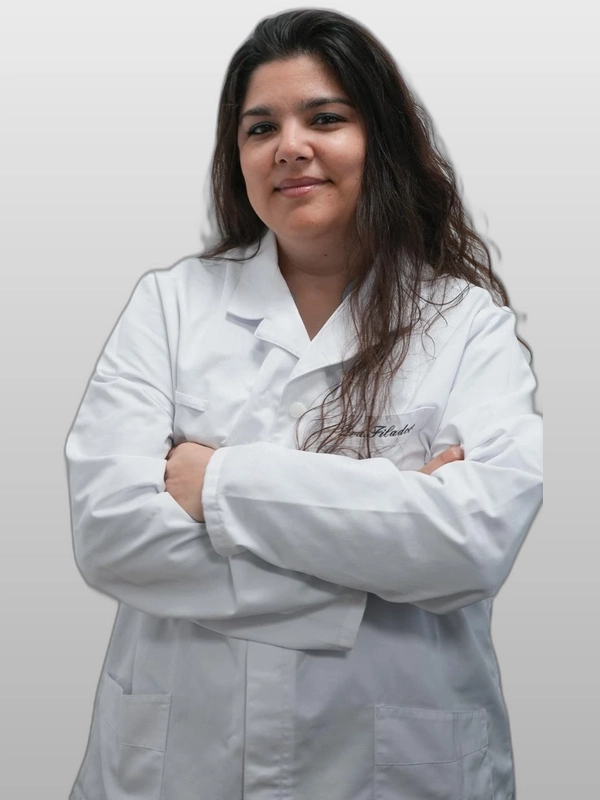
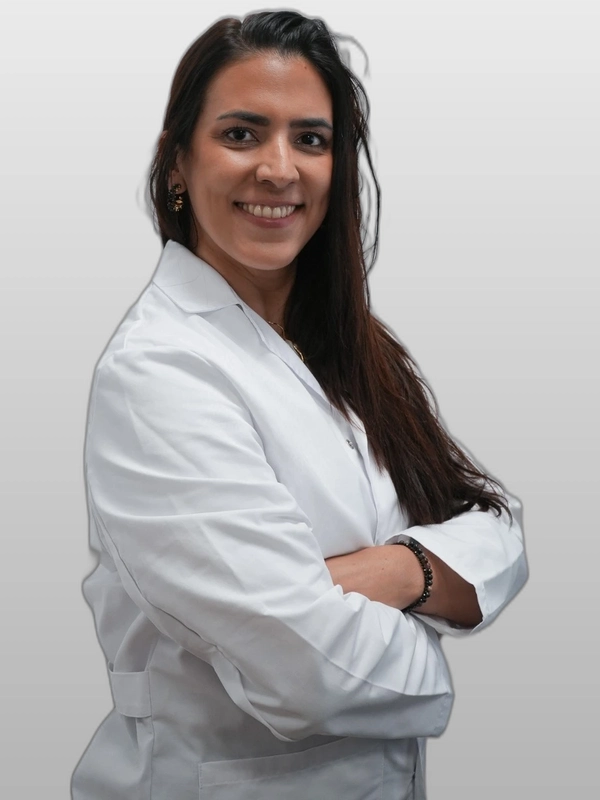
Our specialists

Doctors trained at hospitals in Europe and the Americas, each dedicated to a subspecialty of neurosurgery.

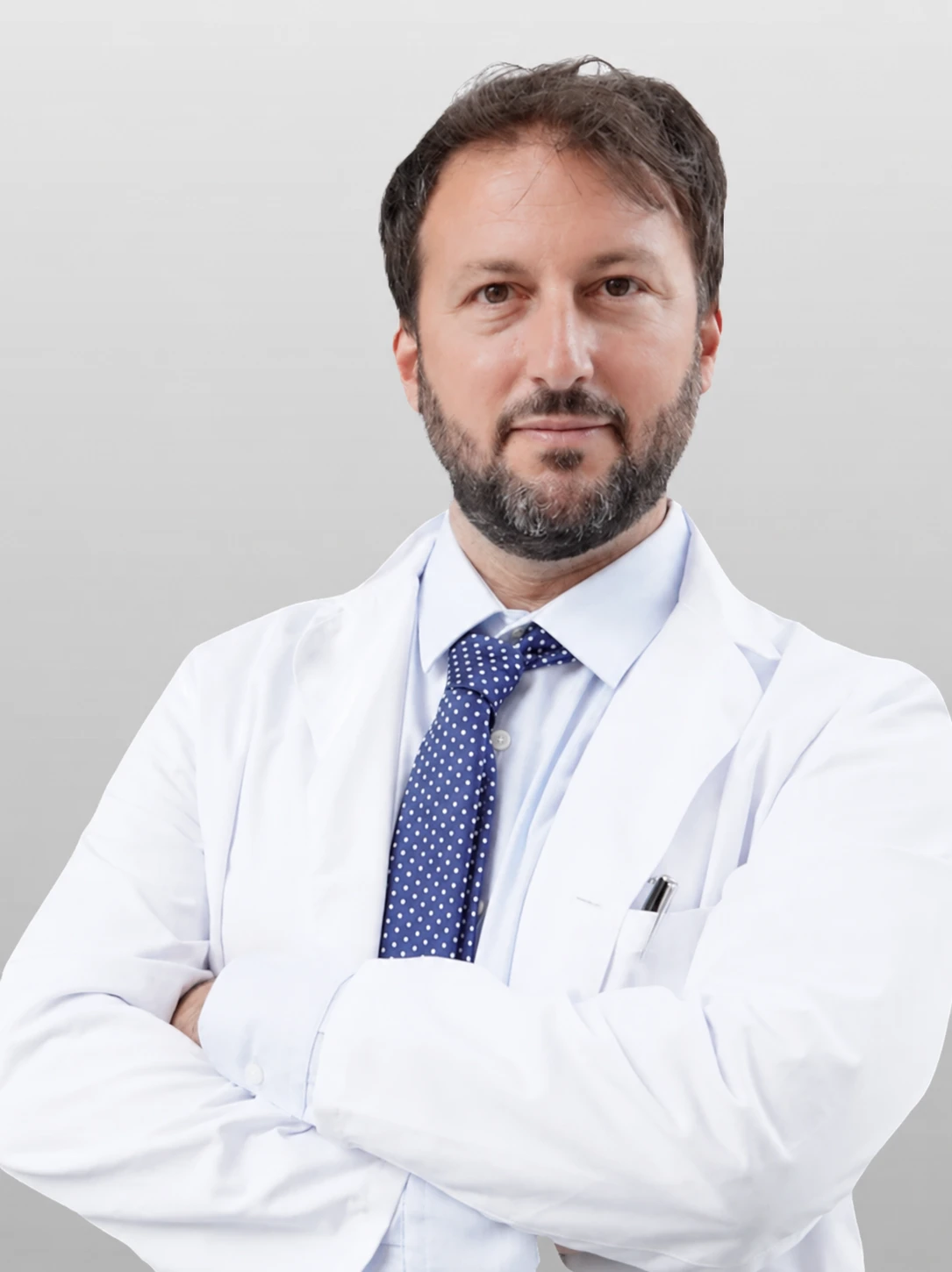
The full Brain & Spine Barcelona team: neurosurgeons, nursing and coordination staff
Medical, nursing and coordination team · Brain & Spine Barcelona
Meet the full team
Patients

Patient stories

5,0 Average rating on Google · 11 reviews

Patients operated on by the team tell their story on video. Published with their consent.

Locations

Where we see patients

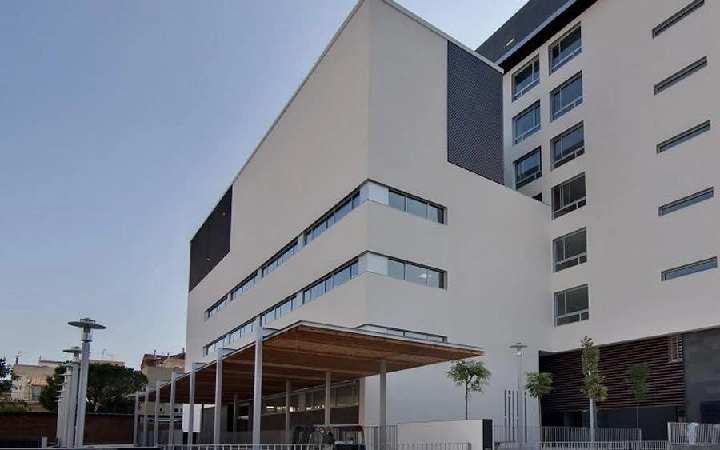
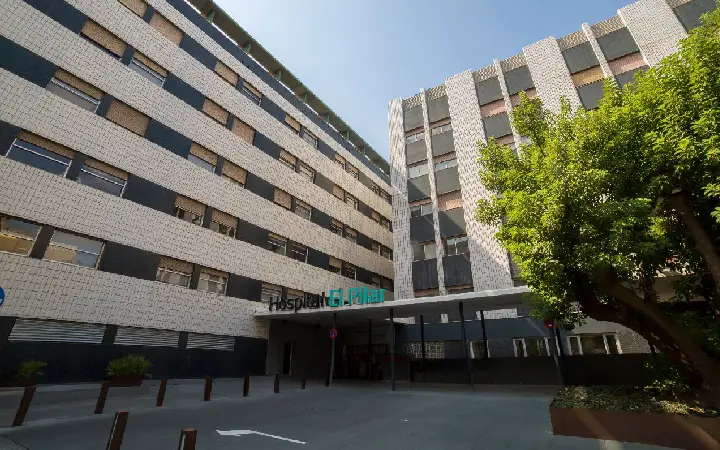
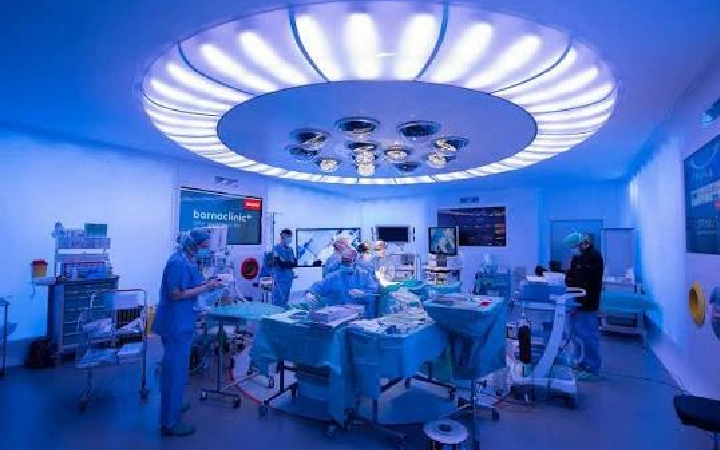
The Brain & Spine team holds clinics at several centres in Barcelona. Surgical procedures are carried out at Hospital El Pilar and at Barnaclínic+.

Main · Operating theatre

Hospital El Pilar

C/ Balmes 271 · Barcelona
Operating theatre

Barnaclínic+

Barcelona
Consultations

Clínica Olivé Gumà

Barcelona
Consultations

Centro Médico Aribau

Barcelona
Consultations

Espacio de Salud DKV

Barcelona
International patients

We treat patients from all over the world

We have a care pathway for patients travelling from other countries: second opinion within 24-48h, coordination with your local doctor and organisation of your trip to Barcelona.

Remote second opinion

We review your images and MRI scans before you travel. If we can help you, we will tell you clearly.

Travel coordination

Help with bookings, support at the hospital and interpreting if you need it.

Remote follow-up

Postoperative reviews by video call once you return home.

Where we welcome you

We operate at Hospital El Pilar, Quironsalud Aribau, Barnaclínic+ and Clínica Olivé Gumà, in Barcelona. You are seen by clinical staff, we go through your scans (MRI, CT, reports) with you and we take time to explain the options. There is never more than one patient in the room at a time.
  • Second opinion within 24-48h, with a written report if you wish.
  • Assessment using your MRI/CT: we review the images with you on screen.
  • Personalised treatment plan: conservative, minimally invasive or surgical, depending on your case.
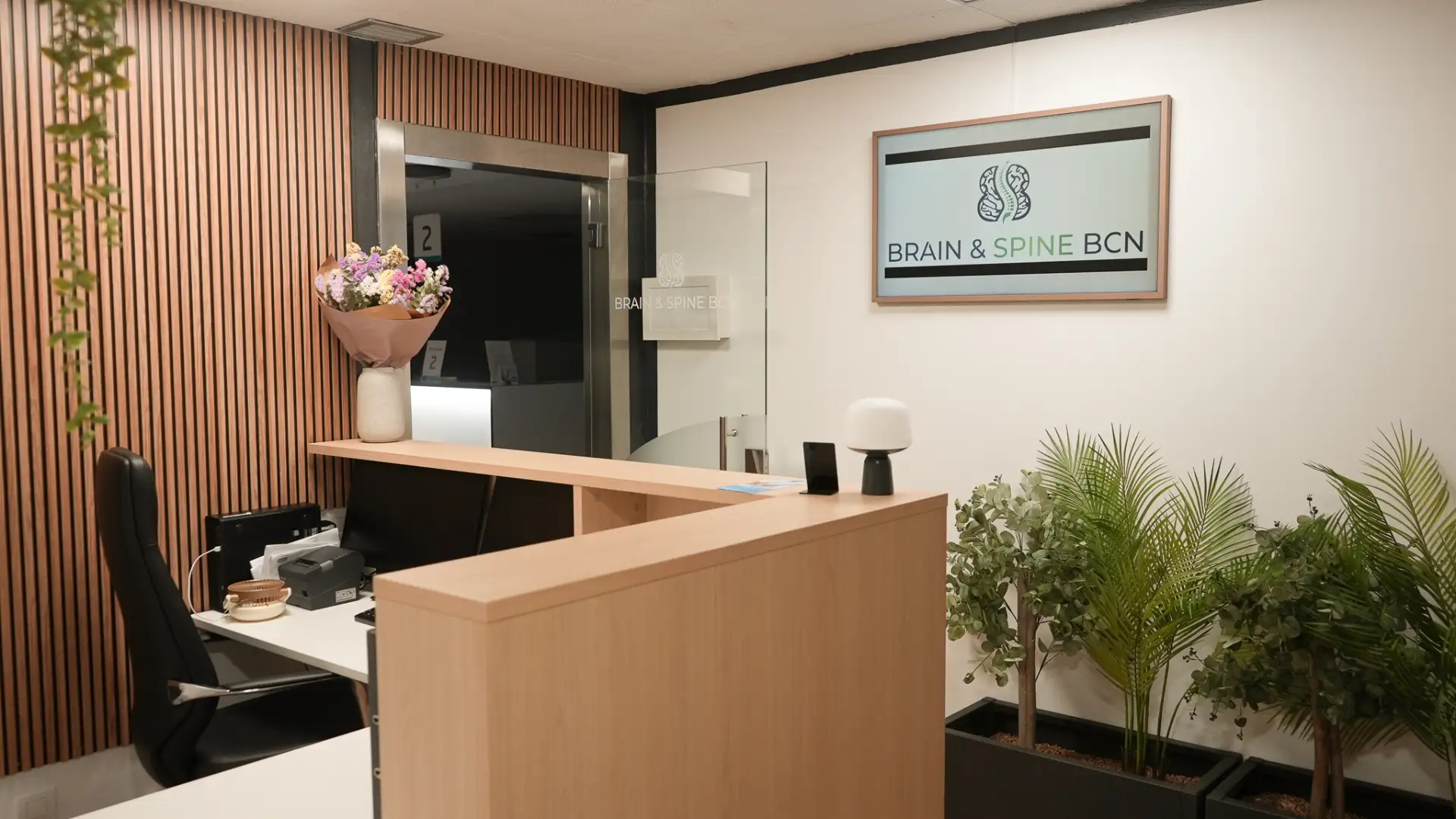
Reception of the Brain & Spine Barcelona clinic at Hospital El Pilar
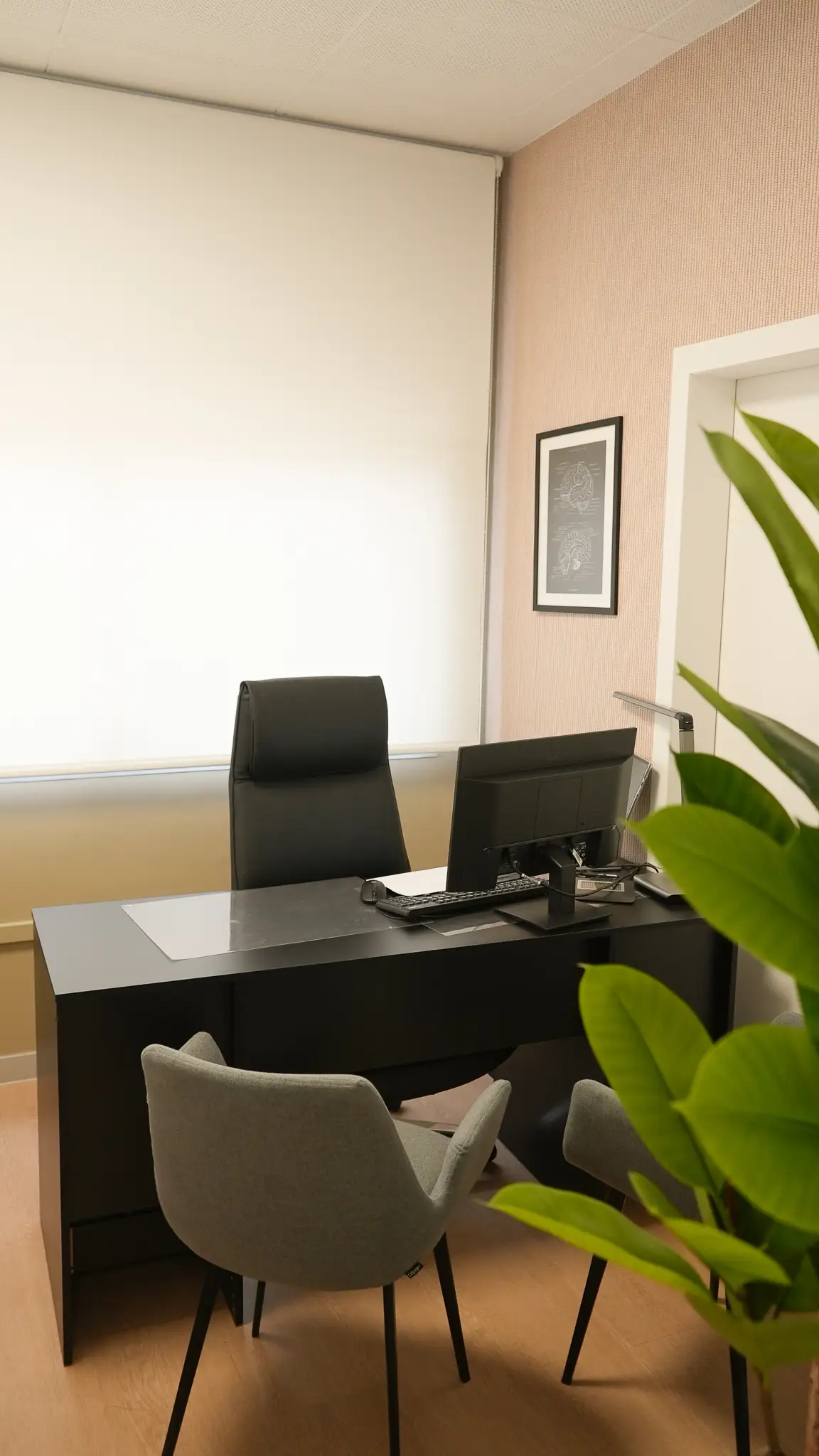
Clinic waiting room with a warm atmosphere
Request information

Request your assessment

Send us your medical reports or tell us about your case. The team reviews them at a multidisciplinary board meeting and replies within 24-48 working hours.
Add specialty of interest (optional)

We reply within 24-48 working hours.

Frequently asked questions

What patients ask us most

Which hospitals do you operate in?

We operate at Hospital El Pilar, Quironsalud Aribau, Barnaclínic+ and Clínica Olivé Gumà, all in Barcelona. We choose the centre according to the type of surgery, the technology required (ALAYA robot, O-ARM, HIFU) and the patient's insurance cover.

What is minimally invasive lumbar disc herniation surgery like?

Through an incision of just a few millimetres, using a microscope or endoscope, the compressed nerve is released. The hospital stay is usually 24 hours and most patients walk the same day. Return to work takes between 2 and 6 weeks depending on the job.

What is HIFU and what is it used for?

HIFU (high-intensity focused ultrasound) is an incisionless, MRI-guided technique that treats essential tremor and tremor-dominant Parkinson's disease. It is an alternative to deep brain stimulation (DBS) in selected patients: no general anaesthetic, no implanted electrodes and an immediate effect.

HIFU or DBS for Parkinson's disease and tremor?

HIFU is unilateral and requires no implant. It is usually indicated in older patients or those whose tremor is dominant on one side. DBS is bilateral, adjustable and reversible, and is indicated in advanced Parkinson's disease with motor fluctuations. The decision is taken at the multidisciplinary board after a full neurological assessment.

How much does private spine or brain surgery cost?

The price depends on the procedure, the hospital, the technology used and the length of stay. After reviewing your case we send you a fixed quote covering the team's fees, hospital, anaesthesia, materials and follow-up. We work with the main private insurers.

What is recovery after brain surgery like?

It depends on the type of procedure. In minimally invasive surgery with neuronavigation and O-ARM the stay is usually 2 to 4 days. We follow patients closely during the first 3 months and carry out regular reviews afterwards, including by video call for patients who travel.

Do you treat international patients?

Yes. We see patients in Spanish, English, French and Italian. We offer a remote second opinion within 24-48h, travel coordination, hospital arrangements and postoperative follow-up by video call once you return home.

Can I request a second opinion by sending my scans?

Yes. Send us your MRI scans, reports and test results through the form. The team reviews them at the board meeting and we reply within 24-48 working hours with a clear assessment: whether we can help you, how, and what alternatives exist.

What technology do you use in the operating theatre?

We work with the ALAYA robot for guided spine surgery, O-ARM for intraoperative CT, neuronavigation, a Zeiss surgical microscope and HIFU for tremor and Parkinson's disease. The surgeon chooses the technology according to what your case needs.

Which conditions do you treat?

Spine (disc herniation, stenosis, spondylolisthesis, adult scoliosis), brain and spinal tumours, functional neurosurgery (Parkinson's disease, tremor, epilepsy, chronic pain), cerebrovascular disease and traumatic brain injury.

How quickly do you reply?

We reply to all enquiries within 24-48 working hours. In urgent cases (suspected tumour, acute neurological deficit) we prioritise assessment on the same day.