When is lumbar stenosis severe? Criteria for considering surgery
An MRI report that says "severe stenosis" does not automatically mean you need an operation. What counts is how much it limits the patient. Here we explain which criteria lead to considering decompression surgery.
Lumbar stenosis is considered severe when it significantly limits daily life or affects nerve function, not only because of what the MRI shows. The criteria that lead to considering surgery are: claudication that greatly shortens the distance you can walk (stopping every few metres), pain that does not respond after months of properly done conservative treatment, loss of strength in the legs or foot and, in advanced cases, problems passing urine or opening the bowels. The degree of narrowing on imaging does not always match the clinical severity: the decision is made by combining the MRI with the real impact on the patient. When these criteria are met, decompression surgery usually brings a marked improvement in walking ability and quality of life.
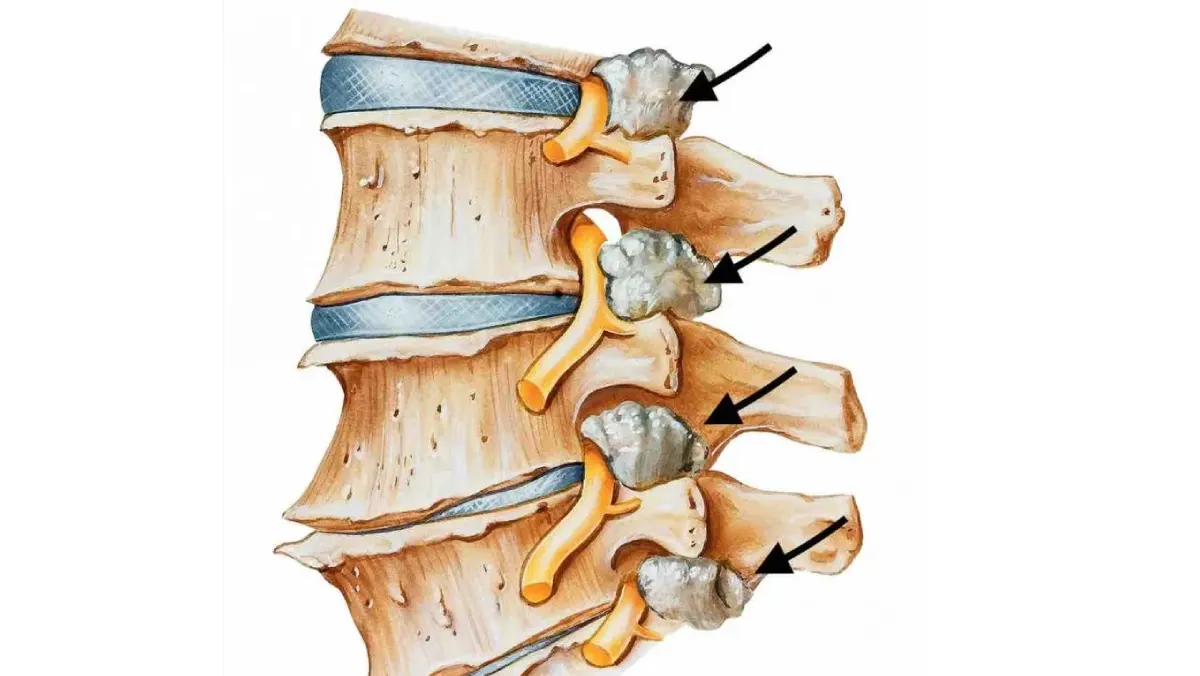
"Severe" is clinical, not only radiological
Many patients are alarmed when they read "severe stenosis" in their MRI report. But real severity is measured by how it affects daily life: how far they can walk, how much pain they have, whether they are losing strength. A narrow canal on imaging with good function and little pain is not, by itself, a reason to operate.
Criteria that point towards surgery
- Limiting claudication: walking distance shrinks so much that it dictates everyday life.
- No response to treatment: several months of physiotherapy, exercise and pain relief without improvement.
- Neurological deficit: weakness in the leg or foot, especially if it is progressing.
- Bladder or bowel involvement: difficulty or loss of control, which calls for urgent assessment.
What surgery offers in these cases
Decompression widens the canal and frees the nerves. The main goal is to regain walking ability and reduce leg pain. If there is also instability, a fixation (fusion) may be added. See Lumbar stenosis: what it is and Lumbar fusion: recovery.
What to expect from the decision
The decision to operate is tailored to each person: age, general health, degree of narrowing and, above all, how much the condition limits the patient. Surgery should not be done "because the MRI looks alarming", but when the clinical picture justifies it. Adapted exercises can help to delay that decision in many cases.
Related information
Frequently asked questions
Does severe stenosis on the MRI mean surgery is needed?
Not necessarily. Surgery is decided by the symptoms and the limitation, not only by the imaging report.
What happens if I don't have surgery for stenosis?
It depends on the case. Many stenoses remain stable with treatment; others progress. If there is loss of strength, waiting is not advisable.
Is stenosis surgery high risk?
It is a common operation with good results. The risk is assessed individually according to the technique and the patient's condition.
Walking less and less?
The team assesses whether your condition meets the criteria for decompression surgery and advises you on the most suitable approach for your case.
Did you find this article useful?
Add us as a preferred source on Google and our articles will show up sooner in your searches.