Lumbar fusion: what it is, real recovery and what you can do again
Lumbar fusion (or spinal fixation) joins two or more vertebrae to eliminate painful movement between them and stabilise the spine. We explain when it is indicated, what recovery looks like step by step and what you will be able to do again.
Lumbar fusion is a surgery that fuses two or more vertebrae to eliminate painful movement between them and stabilise the spine. It is used when there is instability, vertebral slippage (spondylolisthesis) or when a decompression could leave the area unstable. During the procedure, screws are placed and, frequently, a bone graft that will make the vertebrae weld together over time. Recovery is progressive: in the first days pain is controlled and walking begins early; in the first weeks loads, twisting and sudden bending are avoided; and complete bone fusion usually takes 3 to 6 months or more. Most patients resume normal life (walking, driving, non-physical work) within weeks, and sporting activity gradually with the surgeon's approval. The usual outcome is a clear improvement in pain and stability, provided the indication is correct and the rehabilitation plan is followed.
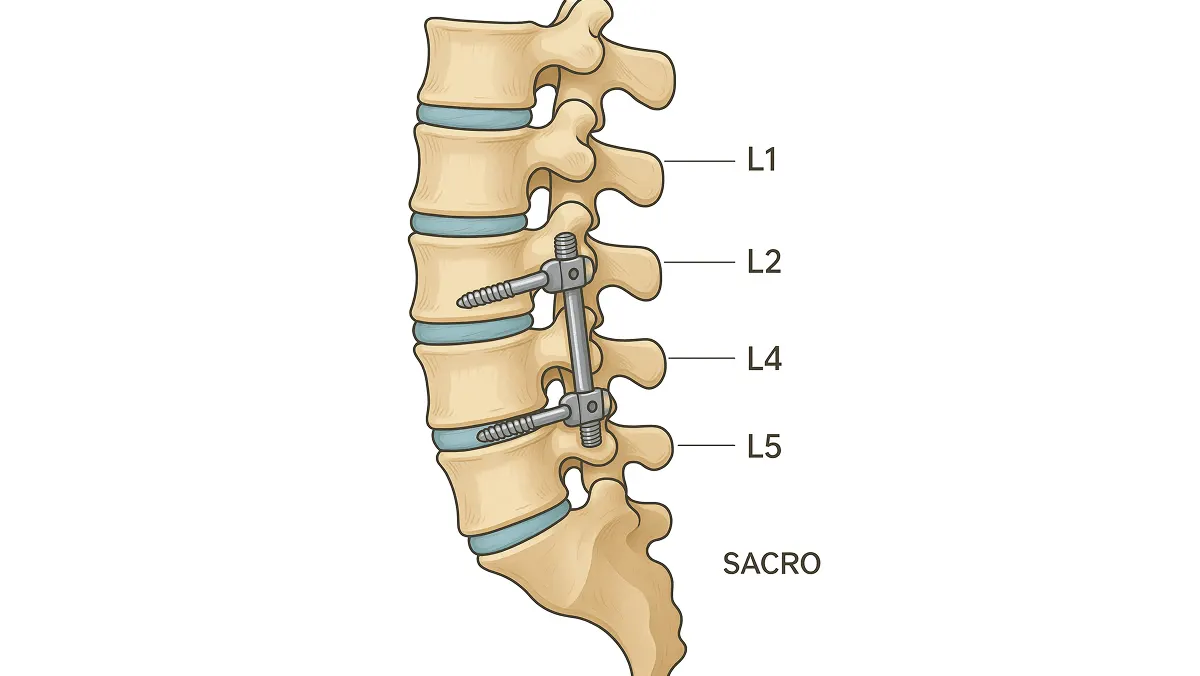
What it is and when it is done
Fusion means joining. In the lumbar spine, it consists of uniting vertebrae so they stop moving against each other when that movement is the cause of pain or when the spine has become unstable. It is indicated in cases such as spondylolisthesis, instability after a wide decompression or advanced degeneration of a segment. Not every spine operation is a fusion: many herniations and stenoses are resolved with decompression alone. See Lumbar stenosis: what it is.
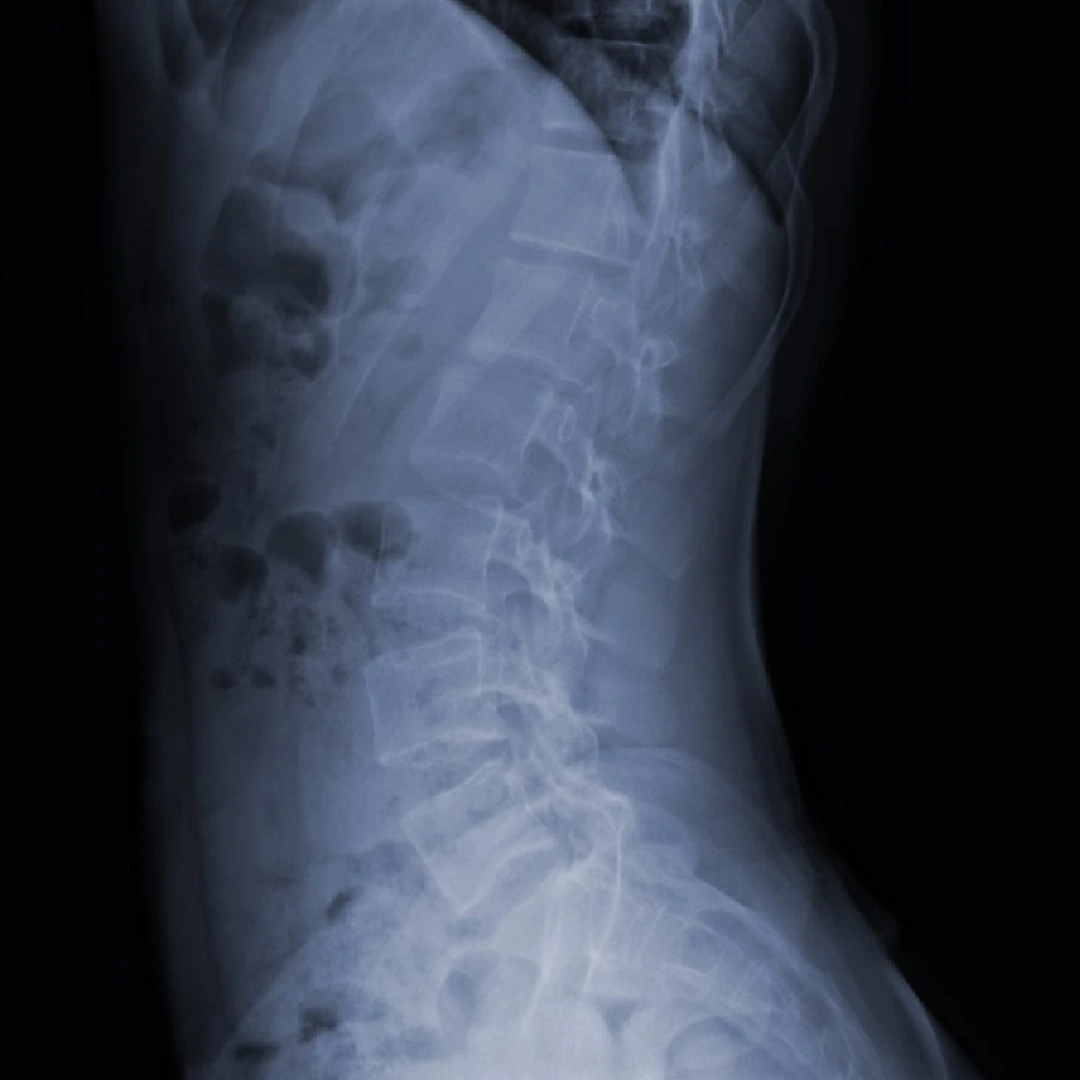
What recovery looks like, step by step
- First days: pain control and first guided steps. Early walking aids recovery.
- First weeks: gentle daily life, avoiding lifting weight, twisting the trunk and sudden bending. A brace is sometimes used.
- 1 to 3 months: progressive return to non-physical work and driving, as indicated.
- 3 to 6 months (or more): the bone fusion consolidates. Higher-intensity exercise is reintroduced gradually.
What you will be able to do again
Most patients recover walking without pain, driving and their usual activity. Impact sport is resumed progressively and with authorisation. Losing one segment of mobility rarely limits daily life, because the spine compensates. Regarding demanding physical work, the recommendation is individual. Guided rehabilitation helps to consolidate the result.
Common fears and doubts
It is normal to look up information about after-effects, scarring or disability. The scar depends on the technique (minimally invasive ones leave less of a mark), and functional recovery is usually satisfactory when the indication was correct.
Related information
Frequently asked questions
How long until normal life after a lumbar fusion?
Gentle daily activity resumes within weeks; complete fusion takes months. The return to sport is progressive.
Do you lose mobility when vertebrae are fused?
You lose the movement of the fused segment, but it rarely limits daily life because the rest of the spine compensates.
Does a fusion mean sick leave?
It depends on the type of work. Non-physical jobs usually return without a problem; very demanding ones are assessed case by case.
Does every spine operation need a fusion?
No. Many herniations and stenoses are treated with decompression alone. Fixation is reserved for instability.
Have you been offered a lumbar fusion and want a second opinion?
The team assesses whether fixation is necessary in your case and explains what recovery you can expect.
Did you find this article useful?
Add us as a preferred source on Google and our articles will show up sooner in your searches.