Neurophysiotherapy: neurological rehabilitation to restore movement
Neurophysiotherapy helps restore mobility, balance and independence after a stroke, a neurodegenerative disease or brain or spine surgery. At Brain & Spine Barcelona we integrate it into a multidisciplinary programme that harnesses the neuroplasticity of the nervous system.
Neurophysiotherapy is the physiotherapy specialised in people with conditions of the nervous system. Its purpose is to preserve and restore muscle activity, movement and joint flexibility, prevent deterioration and promote functional rehabilitation by harnessing the ability of the brain and spinal cord to reorganise: neuroplasticity.
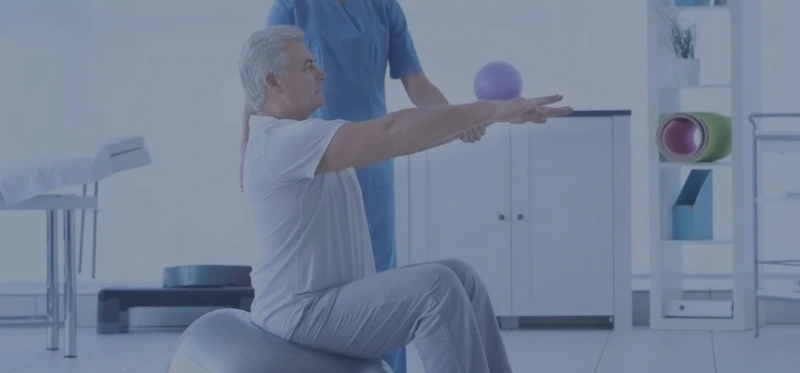
What is neurophysiotherapy
Neurophysiotherapy, or neurological physiotherapy, is the branch of physiotherapy that addresses physical disabilities arising from diseases or injuries of the central and peripheral nervous system. Unlike musculoskeletal physiotherapy, it does not treat only a joint or a muscle: it works on movement control, muscle tone, balance, coordination and gait, which are altered when the governing neural pathway is damaged.
Its goal is twofold: on one hand, maintaining muscle activity and joint flexibility to avoid complications such as spasticity, contractures or pressure ulcers; on the other, retraining the nervous system so that it recovers or compensates for lost functions. Treatment is always personalised and adjusted to each patient's goals and pace.
Which conditions does neurophysiotherapy help
Neurological rehabilitation is used in conditions affecting the brain, spinal cord or peripheral nerves:
- Stroke (cerebrovascular accident): recovery of strength, gait and arm and hand function after cerebral infarction or haemorrhage.
- Parkinson's disease and other movement disorders: work on gait, balance, posture and fall prevention.
- Multiple sclerosis: management of fatigue, spasticity and loss of balance to maintain independence for as long as possible.
- Postoperative recovery from brain and spine surgery: guided functional recovery after a neurosurgical procedure.
- Spinal cord injury: re-education of transfers, postural control and maximum use of residual function.
- Traumatic brain injury: motor relearning and reintegration into daily life activities.
- Peripheral neuropathies: improvement of strength, sensation and coordination when peripheral nerves are affected.
In all cases, neurophysiotherapy is coordinated with the diagnosis and follow-up of specialists in neurology and, where appropriate, with the neurosurgery team.
Techniques and principles of neurological rehabilitation
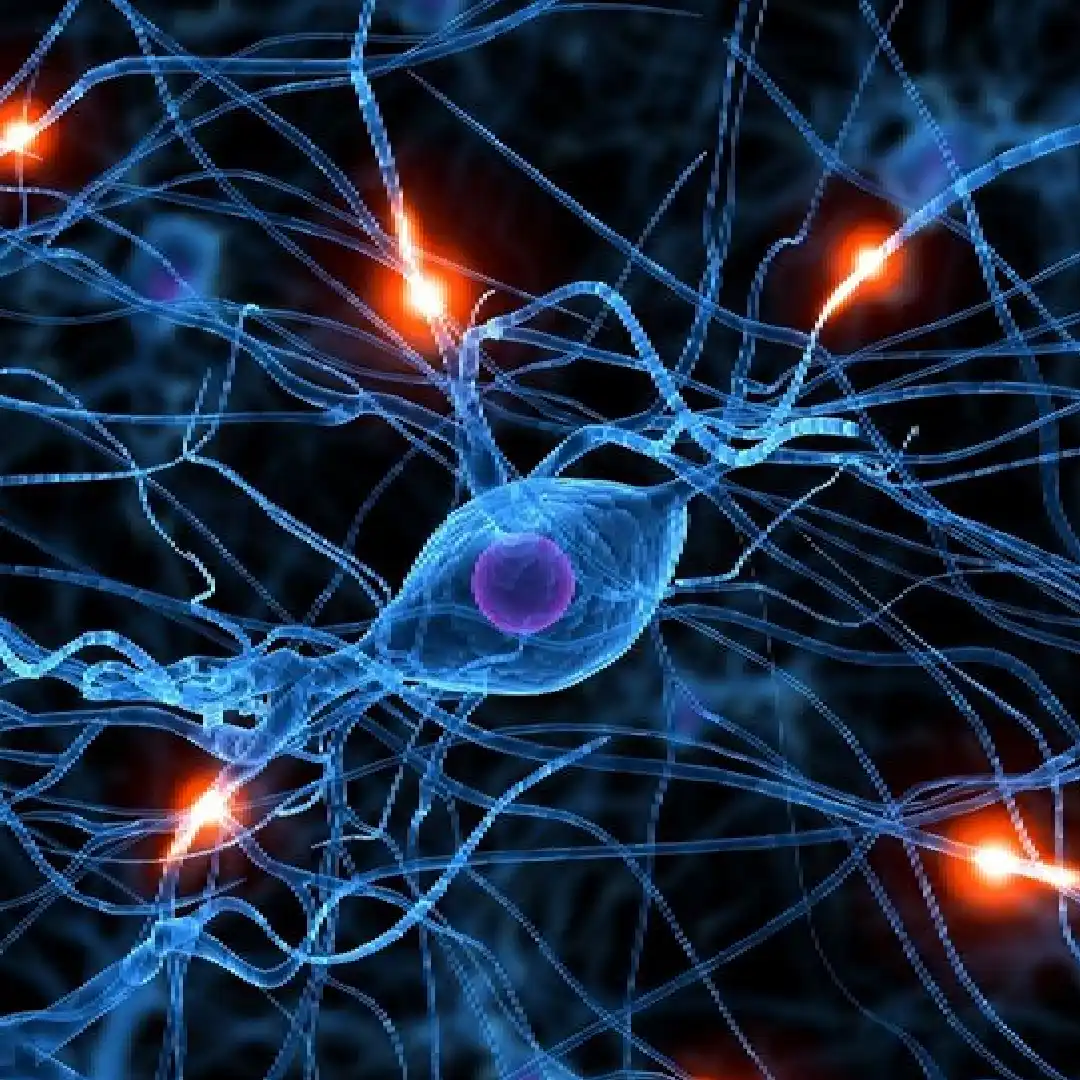
The central element is neuroplasticity: the ability of the nervous system to form new connections and reassign functions after an injury. Appropriate, repeated, task-oriented stimulation potentiates this mechanism. The most common techniques include:
- Task-oriented therapeutic exercise: functional movements meaningful to the patient, repeated until motor learning is consolidated.
- Gait and balance re-education: progressive training of standing, walking and postural control.
- Treatment of spasticity and tone: stretching, positioning and mobilisations to prevent contractures.
- Retraining arm and hand function after stroke or other injuries.
- Assistive products: prescription and training with orthoses, assistive devices and mobility aids when needed.
- Home exercise programmes and family training, because daily repetition, both inside and outside the clinic, has a direct effect on the outcome.
The programme may be individual or group-based and is reviewed periodically to adapt it to the patient's progress.
How it integrates with neurosurgery and neurology
At Brain & Spine Barcelona neurophysiotherapy is part of the care pathway alongside neurosurgery and neurology. It comes in at two points:
Prehabilitation
Before brain surgery or spine surgery, improving the patient's physical condition, mobility and strength facilitates a faster and safer recovery after the operation.
Post-surgical rehabilitation
After the operation, and always with the neurosurgeon's approval, early rehabilitation helps restore function, prevent complications from immobility and accelerate return to daily life. Coordination between the surgeon, neurologist and physiotherapist allows each phase to respect healing timescales and clinical objectives.
What to expect from treatment
Neurological recovery is a gradual process that demands consistency. After an initial assessment, realistic goals are set and a measurable plan is designed. Progress is usually perceived gradually and depends on the condition, its severity, the time of onset and the involvement of the patient and their environment. The participation of family members and carers, trained in positioning, safe transfers and maintenance exercises, reinforces results between sessions.
A multidisciplinary team in Barcelona
The neurological rehabilitation programme at Brain & Spine Barcelona is coordinated with the neurosurgery and neurology committee, from diagnosis to functional recovery. Meet the professionals in our team.
Frequently asked questions about neurophysiotherapy
What is neurophysiotherapy?
Which neurological conditions does it help?
When should rehabilitation start after a stroke or surgery?
How does it differ from general physiotherapy?
How many sessions are needed?
Is it the same as deep brain stimulation (DBS)?
Is the family involved in treatment?
Where is it carried out in Barcelona?
Do you need neurological rehabilitation in Barcelona?
Tell us about your case or send us your reports. The multidisciplinary committee at Brain & Spine Barcelona will assess a personalised neurophysiotherapy plan after stroke, Parkinson's disease, multiple sclerosis or brain and spine surgery.
Did you find this article useful?
Add us as a preferred source on Google and our articles will show up sooner in your searches.